Embracing New Technology in Today’s Workflows
by Jonathan McGaha | 30 November 2016 12:00 am
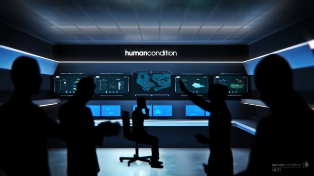
Wearable technology increases safety and efficiency
 As the team behind a lab that helps construction and manufacturing-sector companies innovate quickly, we often observe our customers use new technologies for the first time. They’ll put on a Microsoft Holo-Lens, for example, and be wowed by an interactive data layer appearing on top of the space in which they are standing. However, shortly after the headset comes off, they discount the tech as something to be used in their businesses in the future. This year, in particular, new technologies were easier to sell to our clients as something to implement now. Why? Because the cost of the tech has come down dramatically and there are practical uses for each and every one of them. This spells a very clear return on investment.
While at first glance, technologies like wearables, drones, building information models (BIM), Internet-of-Things-enabled devices, augmented reality (AR) and virtual reality (VR) might seem like pointed solutions for very specific problems, they actually can enhance a large part of our workflows.
Two-dimensional plans on static paper printouts don’t give us much to work with. For starters, they’re almost never up-to-date with changes and notes from the plethora of folks on a project. A BIM is a single point of truth that allows all those stakeholders to stay up-to-date, but having one also allows us to do a number of other important things. To see how this plays out in today’s workflows, let’s use a common aim as an example: safer, job sites. Here is how a BIM coupled with wearables and other technologies can really accelerate our progress towards that goal in multiple stages of a project.
Simulate
Performing simulations upfront in a digital model allows a team a safe vehicle to model what an outcome might be. Teams can plug in data sets like weather conditions, pedestrian traffic patterns, and even daylight and shadow studies to learn where trip-and-fall hazards lie before the first trucks roll into a job site.
Monitor
With wearables and real time location services, we can pinpoint a worker’s location understand their current activities (lifting, bending, falling, etc.) and intervene before an injury occurs by putting wearable devices on their equipment and gear. These devices can collect information about a worker through various kinds of sensors that monitor movement, heart rate, even sweat composition.
Analyze
The data from simulations and from real-world actions will comprise a large data set. Big data analytics can bring out patterns and trends to help us better understand the environments in which we are working. These help us identify areas of congestion, places to improve signage, and even factors like patterns of worker fatigue, heat stress or loss of balance.
Once patterns are defined, we teach artificial intelligence (AI) how to predict these outcomes before they happen. For example, we can feed an AI engine data sets of weather, insurance claims, and Department of Building and Occupational Safety and Health Administration (OSHA) regulations. It can analyze the collected data against the ideal scenarios in claims and regulations to identify areas of improvement as a hedge against compliance risk and wasted time and money.
AI can do this work in seconds, versus the weeks of work it would take a human to read and interpret one of the regulations facing a project.
Prevent
If AI helps us predict unsafe or suboptimal patterns, wearables can let the worker know that the task is dangerous. Alongside wearables in the workers’ gear, we can use geofencing onsite to demarcate areas that workers should not enter or to make sure they are certified to operate a particular machine. If we can intervene, even a second before injury, it’s a success. Wearable technology allows us to do this.
Educate
Modern tools like VR and AR can deliver immersive experiences that help train workers in ways that sharpen their instincts. Instead of antiquated training methods like reading textbooks and classroom lectures, we can put workers in simulated dangerous environments to help them learn tasks and think on their feet at very low risk.
Over the next two to three years, we will see more technology combined in ways like these to increase safety, efficiency and communities at large. It’s those who willingly embrace it that will have the most opportunity to increase their competitive advantage and global citizenship.
Written by the Human Condition Safety Team at the Human Condition, New York City. To learn more, call (646) 867-0644 or visit www.humancondition.com[1]
- www.humancondition.com: http://www.humancondition.com
Source URL: https://www.metalconstructionnews.com/articles/embracing-new-technology-in-todays-workflows/