Evaluating Three Different Door Types
by Mark Robins | 4 January 2021 12:00 am
Determining the amount of time, money to spend on installing doors for metal buildings
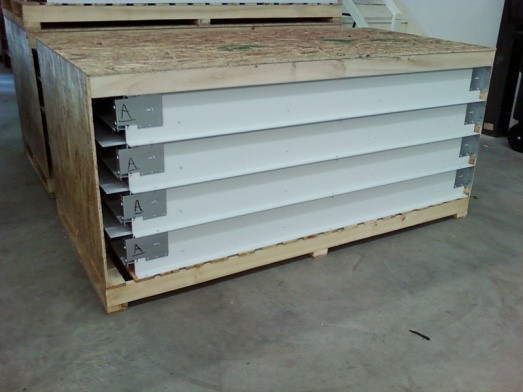
On the most basic level there are three primary types of door products to choose from: knock down (KD), pre-hung and preassembled.
Knock Down
KD references a door system whereby all the components that make up the order are supplied knock down or unassembled. The frame comes in three pieces—hinge jamb, strike jamb and header—and all hardware has to be field installed, including the hinges, threshold, sweep, weatherseal and locking hardware.
If a building manufacturer stocks products for quick-ship purposes this will be the program they have and offer. It’s the most economical product and with the advent of reversible doors and frames the number of stocking components can be relatively small. On the flip side, many times, this can limit the offering and options the customer can choose from, and the requirement of field assembly can sometimes lead to a reduced quality orientation. KD doors are most common when a framed opening is not being used.
Pre-hung
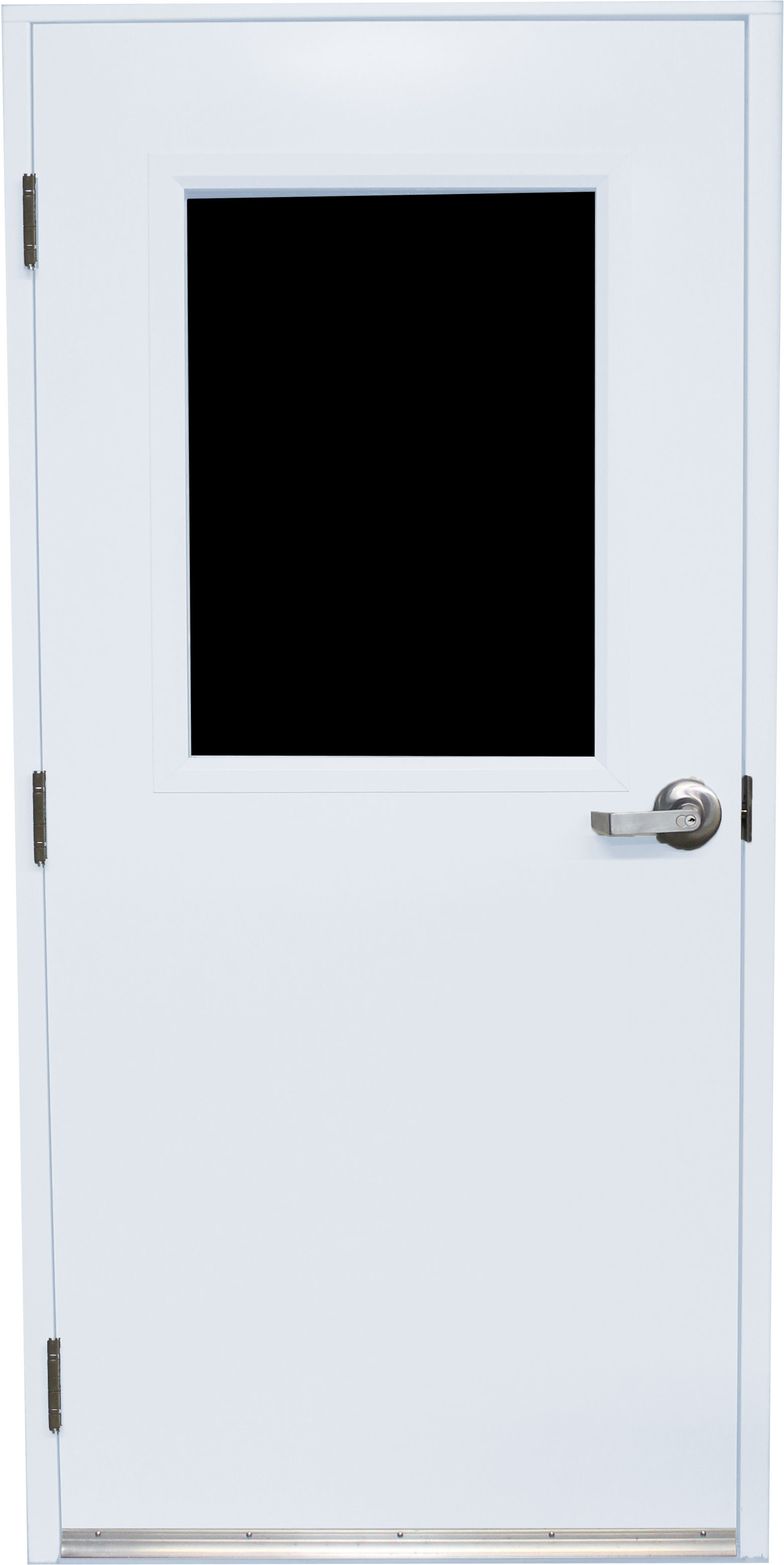
Pre-hung is defined as a door system whereby the door is hung in an assembled frame (which would include the threshold to complete the frame), but hardware would be field installed. This product may or may not be reversible, based on the door manufacturer specs and the threshold/header profile. So, it’s possible to have a stocking program but unlikely at this time. It is currently much more prevalent in the post-frame industry but it is becoming more common in the metal building industry. The benefit is the partially assembled aspect of the door system that eliminates some of the most common field assembly issues and errors. The frame is prepped for the wall anchoring requirement so if the building has framed openings, this would be a good choice. In addition, if there is a possibility of last-minute changes in hardware, this system has the flexibility to adjust on the fly since hardware is field applied.
Preassembled
Preassembled then takes pre-hung a step further by installing the hardware in the factory thereby eliminating this work from the job site. This system may or may not include subframe system that is oftentimes used in lieu of a framed opening by the building manufacturer. This is the most expensive product up front but may provide the best long-term value and is certainly the quickest to install. You are paying for factory installation of the hardware (should be very efficient) and additional wood packaging needed above and beyond what a KD or pre-hung system may have, but it further eliminates some typical problems with the installation of hardware items. This is almost always based on a nonstocking program and ordered job by job, so has the benefit of having more options than KD programs, but it also takes a few more days or weeks to get the order processed, completed and delivered.
How you receive the product is ultimately less important than other key factors. What structural performance levels do you require or want the door system to meet? What type of paint—finish coat or painted primer—is needed or desired? What R-values are needed or expected? And what types of quality expectations do you have—both for the manufactured components and the potential assembly process? Once those decisions are made you can find a KD, pre-hung or preassembled door that will fit your requirements.
Tom Granitz is national sales and marketing director at Plyco Corp., Elkhart Lake, Wis., a leading supplier of products to the post-frame, metal building and commercial construction industries. To learn more, visit www.plyco.com[1] or call (800) 558-5895.
- www.plyco.com: http://www.plyco.com/
Source URL: https://www.metalconstructionnews.com/articles/evaluating-three-different-door-types/