Extruded Aluminum Opens Doors
by Mark Robins | 1 May 2020 12:00 am
Extruded aluminum entrance systems offer dependability, longevity
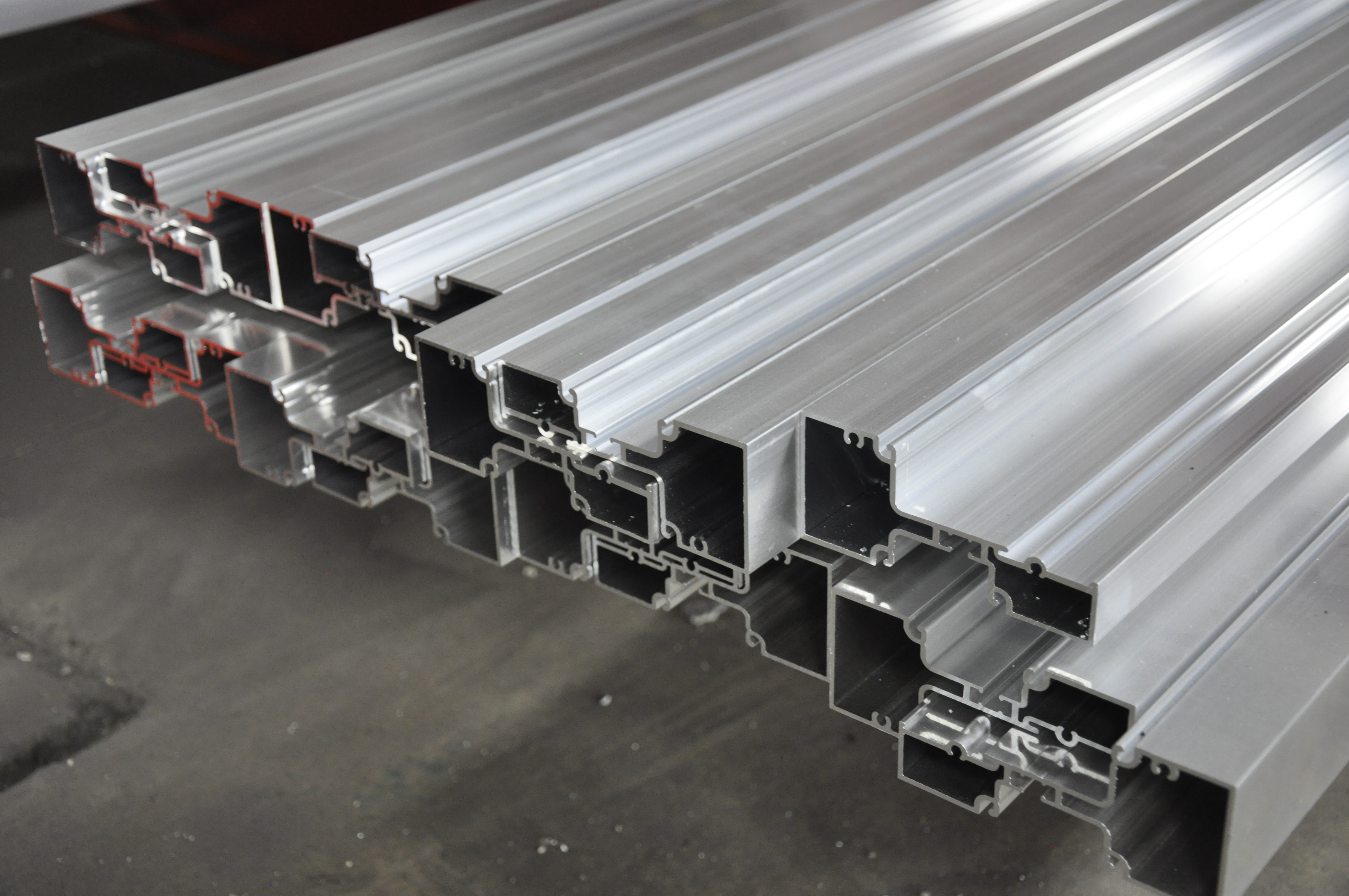
These aluminum framing members have been extruded, trimmed and prepared for finishing.
Subjected to people’s constant pushing and pulling, and exposed to a full range of climate and environmental conditions, entrance systems are among the hardest working architectural products on a building. High-traffic entrance doors, such as a retail facility or restaurant, could experience hundreds of thousands of openings and closings every year.
Along with their continuous use, extruded aluminum entrance systems are further challenged because the outer perimeter of the doors must do all the structural work. To ensure high performance and longevity, tie-rod door construction uses steel rods anchored in the extruded aluminum vertical stiles and threaded through the extruded aluminum horizontal rails. The rods tie the stiles to each other with the rails gripped in between. The threaded ends of the rods are secured with locknuts on both sides.
Other commercial aluminum doors may use shear clip corners or welded corners. Shear clip corner construction has a small piece of aluminum channel fastened to the stiles and then bolted to the top and bottom rails. Welded corner construction uses a bracket screwed onto the stile and then welded to the life rail. Welded corner and tie-rod construction methods are equally durable.
For the building owner, facility manager and entrance system installer, tie-rod construction offers greater flexibility than welded corners. If the door needs to be modified in the field during installation, or if it is damaged after installation and parts need to be replaced, the tie rods can be unfastened and the door taken apart without diminishing its structural integrity and durability. If, for example, the floor height is changed by an overlay, and the door needs to be trimmed, it can be modified by an authorized dealer or installing contractor at much lower cost than the price of replacing the entire door.
Longevity
Extruded aluminum doors that are engineered and constructed to successfully meet industry standard performance requirements, and are installed to the manufacturer’s instructions, also have an impressive longevity. Durable doors often outlast the usage conditions or code requirements for which they were originally installed. There are many examples of doors installed in the 1950s that are still in use today.
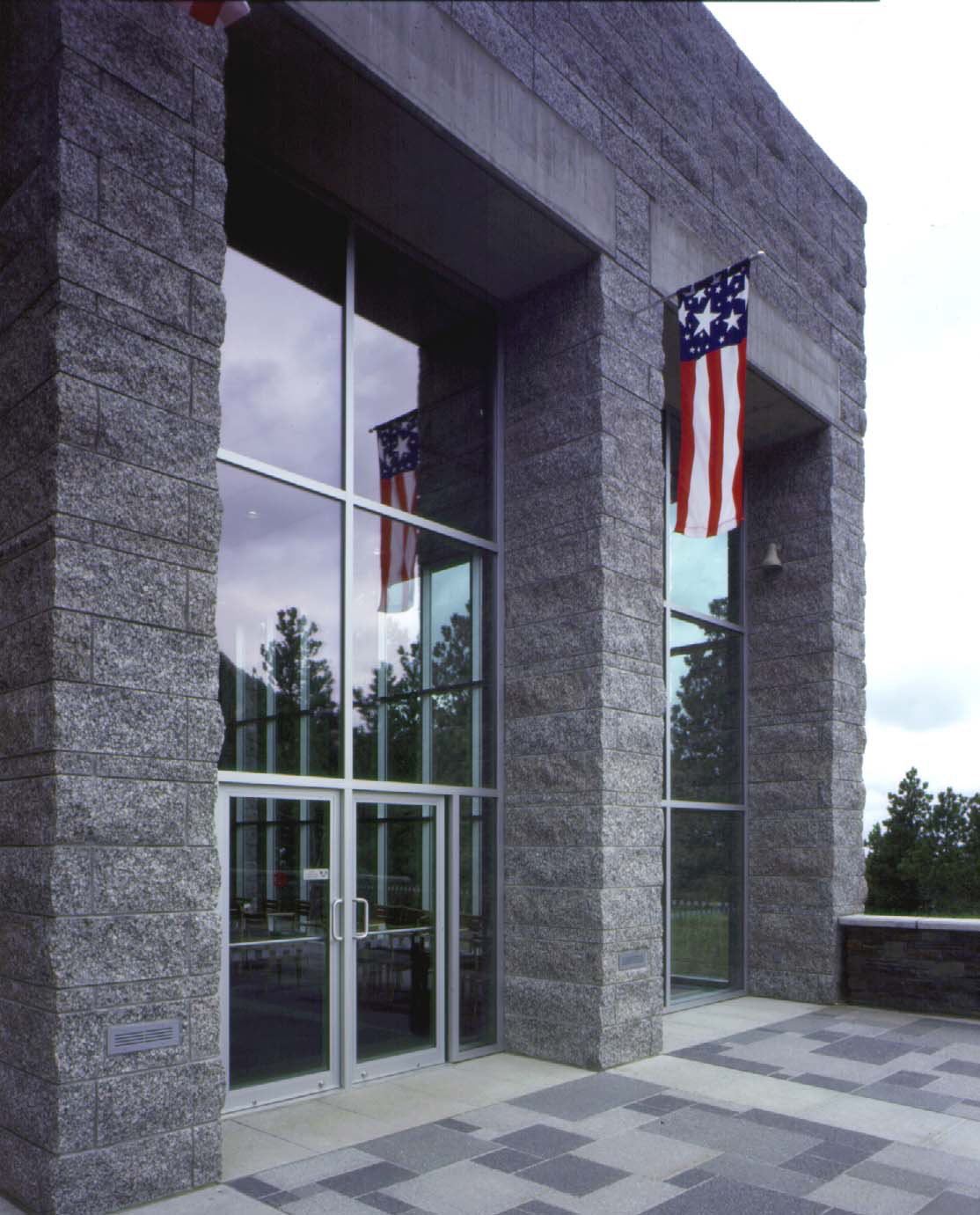
Tubelite’s extruded aluminum doors were installed in the gift shop at Mount Rushmore National Memorial in 1998.
When a building owner is ready to consider an update, extruded aluminum doors manufactured with tie-rod construction can be refurbished, replacing worn parts and hardware. A local installer can adjust the glass blocks and fasteners to bring door leaves back to square with the openings. Replacing the weathering and seals can give the entryway optimal air tightness. Surface wear from millions of contacts with users cannot be removed or repaired, but badly worn individual elements, such as a rail or a stile, can be replaced. This approach may be considerably less expensive than full replacement.
There also are varying degrees of full replacement. New doors and frames can be ordered to match the adjacent storefronts, or all new framing can be installed to provide a fresh new face for visitors. Replacement does not necessarily mean the end for the existing doors on a building. Often the old doors can be reused in less visible and lower traffic areas on the same facility, or installing contractors can disassemble and re-use their parts to repair similar doors.
At the end of their useful life span as entrance systems, the extruded aluminum door components can be infinitely recycled with no loss of metallurgical properties for re-use in building products or for other purposes from beverage containers to automobiles. More than 75% of the aluminum ever made is still in use today, according to The Aluminum Association.
Producing recycled, or secondary, aluminum saves more than 90% of the energy and produces just 8% of the greenhouse gases associated with making new, or primary, aluminum. For these reasons, choosing extruded aluminum made with secondary billet also is recognized by green building professionals as an environmentally friendly, durable material for entrance systems that will leave a lasting impression.
Brian Tobias, LEED AP, is internal architectural representative at Tubelite Inc., Walker, Mich., providing architectural services and support for extruded aluminum entrances and other product selection, specifications, structural calculations and continuing education. To learn more, call (616) 808-2508, visit www.tubeliteinc.com[1] or e-mail btobias@tubeliteinc.com[2].
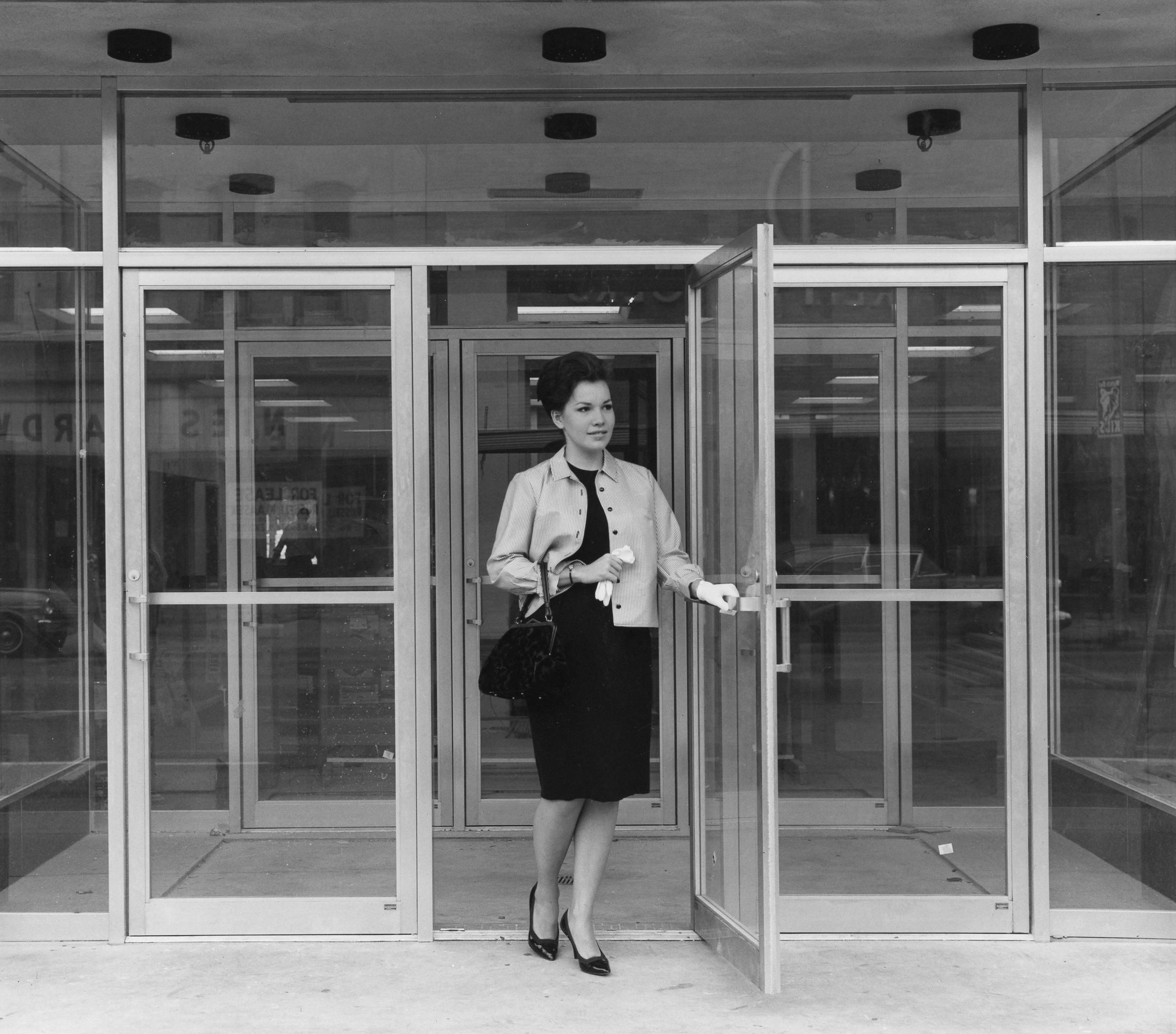
Extruded aluminum entrance systems and doors with tie-rod construction have delivered dependable performance for 75 years.
- www.tubeliteinc.com: http://www.tubeliteinc.com/
- btobias@tubeliteinc.com: mailto:btobias@tubeliteinc.com
Source URL: https://www.metalconstructionnews.com/articles/extruded-aluminum-opens-doors/