Gain Thermal Performance on Retrofits
by Mark Robins | 1 February 2021 12:00 am
Allowing easy one-pass, insulation installation for a secure long-term connection
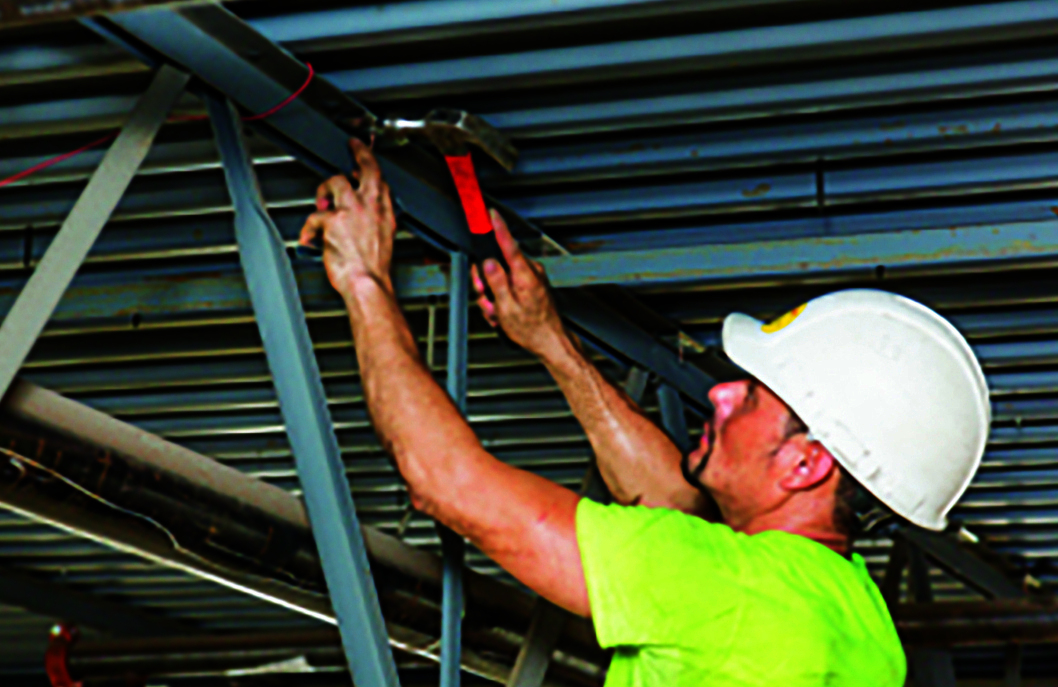
What is commonly known as metal building insulation (MBI), which is typically constructed of various amounts of fiberglass with a laminated facing and attached with a banding system, has been used widely for decades and can usually provide enough R-value to meet strict codes. However, this system may not be the most effective way to also reduce thermal bridging and to reduce heat transfer that occurs at exposed metal purlins, struts and beams. By reducing the thermal bridging throughout the building, many owners can save a considerable amount in utility bills.
Weigh Options for High R Requirements
Finding versatile, more comprehensive solutions for high R requirements is easier today than it was 20 years ago. For example, when the code requires R-30, depending on the condition and R-value of existing insulation, contractors can select a fiberglass MBI to gain an additional R-11, R-13 or R-19 in retrofitting the building.
Another good retrofit option for higher R requirements is a reflective, double-bubble insulation. Reflective bubble insulation enhances air gaps in enclosed cavities of the ceiling or wall systems. It works when a low-E aluminum surface faces an enclosed air space. Commonly used for bar joist or purlin applications, this option can gain as much as an R-6.5 and can reduce the thermal bridging for better overall performance.
Yet another option is double-bubble insulation attached on the bottom of purlins to enclose 6 to 8 inches of air space. This application provides superior performance with as much as R-16 when both sides have a reflective surface facing the cavity and the inside of the building; or an R-12 when the reflective side is facing the cavity and the other (white) side offers a clean finished ceiling and a brighter workspace. Both examples represent a heat flow down (summertime) application where reflective insulation outperforms other air-based insulation products such as fiberglass.
Still another option is a hybrid system of reinforced reflective double-bubble insulation backloaded with blown fiberglass to gain much higher R values. These systems, when attached with snap-on mechanical fasteners, are strong enough to support a variety of hybrid solutions.
Attachment Methods
In new construction, most MBI is often attached with a banding system that requires a three-pass installation process to get it secured properly. Years later when it comes time to re-insulate, contractors commonly will choose components known as stick pins, which involve cutting into existing insulation in order to glue the pin plates in place on the steel framing behind the insulation. Then, once the glue dries, the crew returns at least a day later to install MBI on the pins. But many times—as known widely in the industry—the glue fails to hold the stick pins and failures occur.
Mechanical fasteners are a viable alternative, which contractors have been using now for over two decades as part of an insulation system. The proven mechanical fastener systems are now sold separately; designed to work with all types of metal framing and can be easily secured to a variety of insulation and facings.
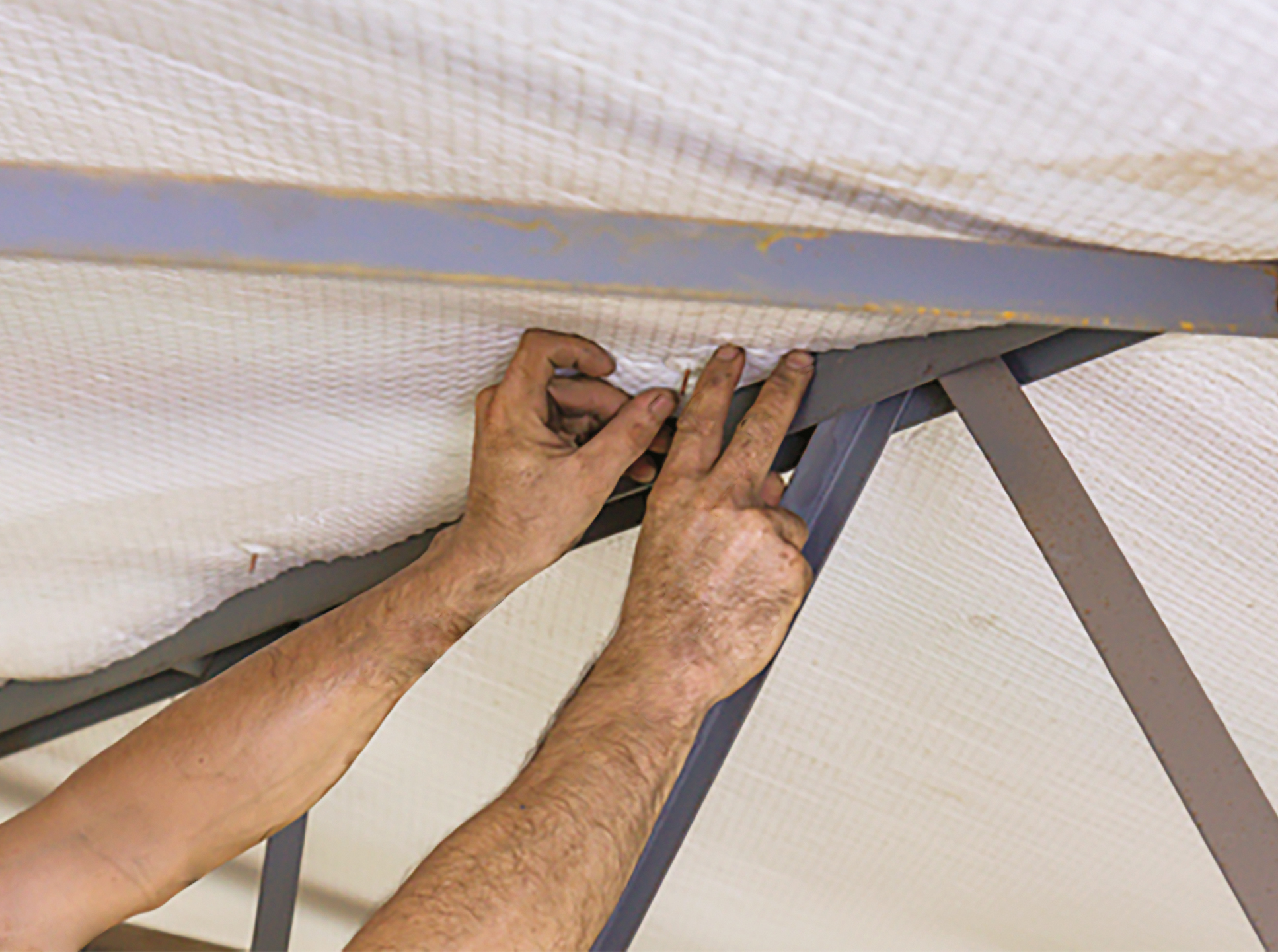
Mechanical fasteners (clip-pin) attach directly to bar joist beams or purlins, which allow a quick and easy one-pass installation for a strong, secure long-term connection. Contractors can use the fasteners with all types of insulation, including MBI, facings and reflective bubble. Correctly installed, the clip-pin fastener system is strong enough to securely hold more than 60 pounds of mass insulation. Metal building insulation systems installed with mechanical fasteners can significantly reduce labor costs and operational downtime, and provide the owner with long-term performance.
Bill Lippy is president and CEO of Fi-Foil Co. Inc., Auburndale, Fla., vice president of the Reflective Insulation Manufacturers Association (RIMA International), co-chair of the Code and chair of the Strategic Alliance Committees. Lippy is a longtime building science advocate. For more information on reflective technologies and mechanical fastener systems, visit www.fifoil.com/fastenersystems[1] or call (800) 448-3401.
- www.fifoil.com/fastenersystems: http://www.fifoil.com/fastenersystems
Source URL: https://www.metalconstructionnews.com/articles/gain-thermal-performance-on-retrofits-how-it-can-get-wet-what-to-do-if-it-with-fasteners/