Green Construction Turns to Specialty Performance Tapes
by Jonathan McGaha | 3 January 2016 12:00 am
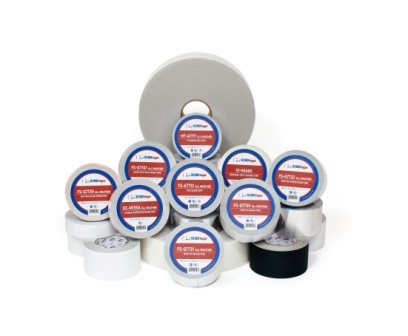
Tapes play an important role in constructing durable and energy-efficient structures
 Flexible architectural design and low maintenance costs have long been among the primary benefits of metal buildings. In recent years, however, the potential energy efficiency of metal buildings has become equally important for building owners looking to save money on operating costs.
Air sealing tactics have been used for years by builders in Canada and Europe to ensure the long-term stability and energy efficiency of buildings and their infrastructure. The practice is becoming more common across the United States, and in recent years, a growing number of U.S. builders have discovered the added benefits of tapes for their green and LEED certified projects.
Through the first nine months of 2015, more than 2,500 U.S. construction projects totaling more than 300 million square feet have been LEED certified, according to the U.S. Green Building Council. This includes both new construction and renovations of existing buildings.
The usage rate for construction seaming and flashing l tapes on domestic job sites is growing by 6 to 7 percent annually, outpacing overall construction industry growth of about 3 to 5 percent. Residential tape use will increase the fastest due to code compliance, and should see annual growth in the double digits this year. Stricter codes being adopted by local jurisdictions often require more control of air and moisture movement. Sealing the building envelope using high-performance tapes can play an important role in constructing durable and energy-efficient structures due to their air and moisture-control properties.
Heat and Air Movement
Metal buildings that aren’t properly insulated tend to trap heat during the summer and let out heat during the colder winter months. In contrast, a properly air sealed metal building will help keep the HVAC system running smoothly throughout the year, maintaining a consistent air temperature and reducing monthly utility costs. Choosing the right insulation and sealing tape will prevent unwanted air movement throughout the building and help maintain a consistent interior temperature year round.
Uncontrolled air movement not only weakens insulation, but it also allows unwanted elements such as noise, dust, vapor, heat and cold into the building. Energy-efficient metal buildings with properly sealed insulation will limit noise pollution that can annoy building occupants. Insulation absorbs sounds that can reverberate throughout a metal building. This is especially helpful if you have loud machinery running all day or the building is being used as a club or event forum and you don’t want noise irritating nearby neighbors. Tapes that help seal the building envelope also protect metal buildings from the humidity and moisture that causes mold and mildew condensation. Moisture in any form is a hazard to a building. Mold can be a serious health threat for building occupants and can cause building materials to deteriorate prematurely.
Improving construction and new green building practices have promoted advancements in tape and adhesive technologies designed to help control air movement and seal building environments from unwanted air and moisture. While there are many different types of specialty construction tapes, it is important to use a tape designed specifically for use with metal buildings. By enhancing both airtightness and preventing water intrusion, builders and contractors can ensure their projects are not only more durable and resource efficient, but also safer for occupants.
Risa Edelstein is the director of marketing at ECHOtape, a family-owned and -operated business that exclusively focuses on pressure-sensitive tape. To reach Edelstein, contact her at risae@ echotape.com or visit www.echotape.com[1].
- www.echotape.com: http://www.echotape.com
Source URL: https://www.metalconstructionnews.com/articles/green-construction-turns-to-specialty-performance-tapes/