How Snow Retention Systems Enhance Metal Roof Performance
by David Flaherty | 6 February 2026 3:04 pm
 [1]
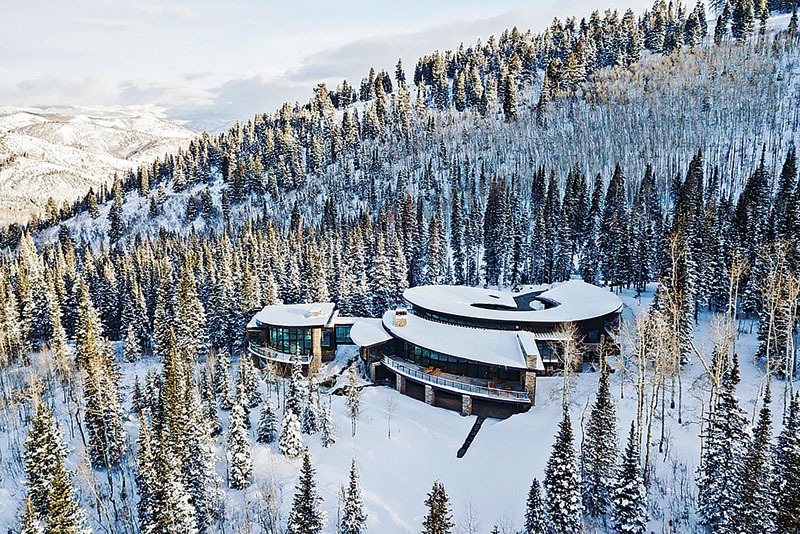
[1]An article in Live Science reports that winter weather in many parts of the country, especially across the Midwest and Northeast, has become more variable in recent years¹, with high-impact storms bringing peak winds and precipitation rates that can cause significant stress to roof systems. Even Gulf Coast states made headlines in 2025 for historic and record-breaking snowfalls.
Today’s weather events should serve as a critical reminder to contractors to carefully consider how a roof will withstand inclement winter conditions, particularly during periods of heavy snowfall. After all, accumulated snow is extremely heavy, and if not properly managed, can cause ice dams, roof leaks, interior water damage, gutter and fascia damage, and in extreme cases, structural stress or collapse. Even the most durable roofing systems can face these potential problems. This is why integrating a snow retention system into markets with heavy snow loads is critical.
Winter weather tested
Among the various roofing options on the market, standing seam metal roofs are exceptionally resilient in winter conditions that challenge traditional roofing materials. For example, unlike asphalt shingles, roof panels made from a high-quality metal substrate resist cracking, splitting, or deterioration during repeated freeze-thaw cycles. An ideal solution for markets with high winds, select standing seam metal roofing systems are certified to wind-resistance testing standards, such as Underwriters Laboratories (UL) 580, Wind Uplift; Testing Application Standard (TAS) 125, Wind Uplift; UL 1897, Extended Phase Wind Uplift; ASTM E1592, Uniform Static Pressure Uplift; and ASTM E1680, Air Infiltration. Additionally, a standing seam metal roof provides reliable wet-weather performance due to its inherently durable substrate that is impervious to moisture. Select systems are certified to ASTM 1646, Water Infiltration standards and can achieve the TAS 100, Wind-Driven Rain designation. A standing seam metal roof’s weathertight performance can be enhanced with a proper underlayment and an advanced coating or paint finish. Further, metal panels rank highest with a Class 4 rating when certified to UL 2218, which tests their impact resistance. This ensures the maximum protection from the damaging effects associated with heavy snow, falling branches, and hail.
The dual nature of metal roof snow performance
 [2]
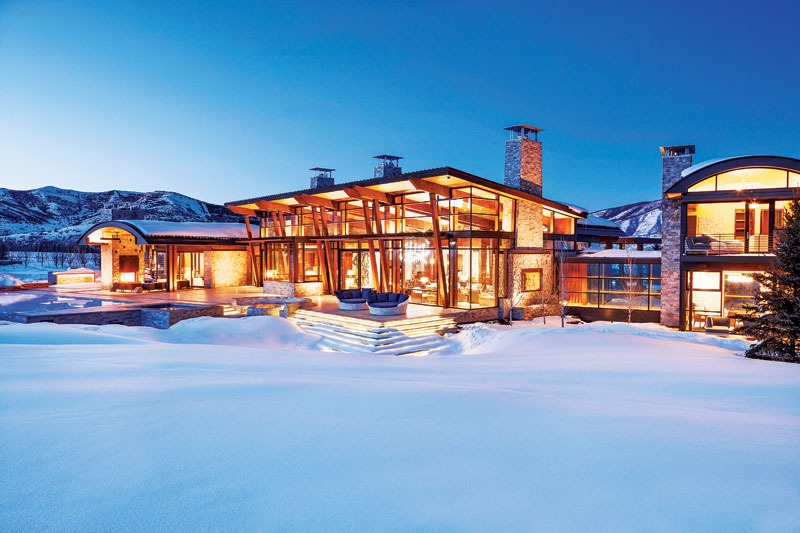
[2]Adding to its list of winter-ready qualities, a standing seam metal roof also sheds snow quickly thanks to its smooth, low-friction surface. This inherent quality ultimately helps reduce excessive snow accumulation and the numerous associated risks. However, that same benefit can also create hazards. For example, large sheets of snow and ice can slide off the roof all at once and without warning. This can cause significant and costly property damage or, more seriously, injure a person walking underneath the roofline. These potential scenarios introduce liabilities for both roofing contractors and homeowners.
To help manage accumulated snowfall and reduce liability, contractors can install a snow retention system. On metal roofs, snow retention systems increase friction between the roof surface and the accumulated snow, helping to keep it in place. The snow guards then regulate the rate at which snow and ice shed from the roof, allowing it to be evacuated in a gradual manner rather than all at once. This controlled release is not only safer, but it also reduces peak loads on the roof and prevents concentrated pressure on gutters, roof edges, and other vulnerable areas. These types of stressors can contribute to long-term issues that shorten the lifespan of the roof system. Ultimately, properly installed snow retention systems provide a proactive solution to manage winter snow loads efficiently and keep property and people safe.
Key considerations when selecting snow retention systems
While the benefits of snow retention systems are crucial, it is essential to note that not all products deliver the same results. When choosing a snow retention solution, opt for a system that operates continuously across the roof, allowing for thermal expansion and contraction, a common occurrence in cold climates. This built-in flexibility prevents warping, detachment, or undue stress on roof panels, ensuring the snow retention system works in concert with the roof system rather than against it.
Modern snow retention solutions are also engineered to be easily installed. For example, select snow retention systems eliminate unnecessary in-field cutting, allowing contractors to install components directly over panel splices, reducing labor time and minimizing the risk of errors. When trimming is required, it is limited to the ends of the assembly, streamlining the process while maintaining system integrity. These advances allow contractors to complete projects more efficiently without sacrificing safety or performance.
Aesthetics may also play a role in a contractor’s decision when choosing a snow retention system. Next-generation systems are designed to integrate seamlessly with the roof, providing color- and finish-matched options that preserve the clean, modern lines of the standing seam metal roof. This offers a solution that protects property and people from injury without compromising visual appeal, meeting client expectations in form and function.
Approaching the roof as a complete system for ice dam prevention
 [3]
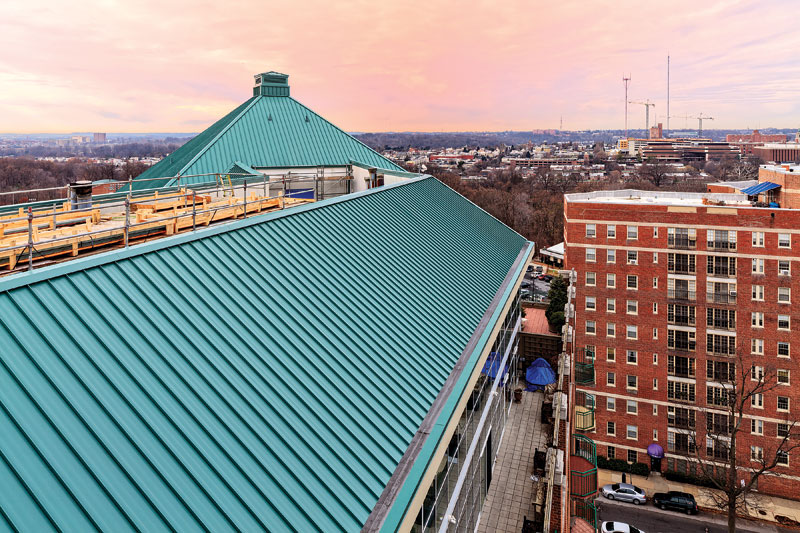
[3]Cold, snow-heavy markets can experience an additional winter weather challenge: ice dams. Ice dams form when heat escapes the home and warms the roof surface, causing snow to melt. As temperatures drop overnight, the melted snow refreezes, typically at the eaves. Over time, repeated melting and refreezing cycles cause ice to build up along the roof edge, gradually working its way up the slope. This accumulation creates a barrier, or “dam,” which traps melted water behind it. With nowhere to drain, the trapped water seeps its way underneath the roofing material and leaks into the home’s crawl spaces, attic, and walls, causing costly water damage. In severe cases, prolonged ice buildup can contribute to long-term issues that will shorten the lifespan of the roof system.
A roofing contractor can reduce the likelihood of ice dams forming by installing a ventilated insulation product during a roof replacement, which will promote cross-directional airflow beneath the roof. Building science shows that allowing air to flow under the finished roof assembly helps maintain a more consistent roof temperature. This minimizes hot and cold spots on a roof where ice dams can form, ensuring the roof performs reliably under harsh winter conditions.
Enhancing metal roof performance
As winter weather becomes increasingly severe and unpredictable across many parts of the United States, the role of contractors extends beyond installing durable roofing materials. Today, they are also responsible for anticipating how snow and ice will interact with every roof they install. Forward-thinking contractors recognize that integrating next-generation snow retention systems is not just a technical consideration; it is an investment in risk management, client trust, and the longevity and performance of a roof system.
References
¹ “Strongest nor’easters along US East Coast are becoming more intense as the world warms, study suggests,” Live Science
Mike Weis serves as vice president of sales across Carlisle Architectural Metals’ (CAM) portfolio, which includes some of the industry’s most recognized brands, like Drexel Metals. He began his career at Reynolds Metals Company in 1995, then joined Petersen Aluminum in 1999 as Southeast sales manager, later advancing to vice president of sales and marketing. With more than 30 years of experience in the architectural metals industry, Mike has established himself as a respected leader in architectural metal envelope solutions.
- [Image]: https://www.metalconstructionnews.com/wp-content/uploads/2026/02/IS2jzu2v1f8u4c1000000000.jpg
- [Image]: https://www.metalconstructionnews.com/wp-content/uploads/2026/02/02092016_DavidMarlow_Cunniffe_K2_018Lt.jpg
- [Image]: https://www.metalconstructionnews.com/wp-content/uploads/2026/02/Final-Drexel-Metals-The-Inn-At-Colonade-7908.jpg
Source URL: https://www.metalconstructionnews.com/articles/how-snow-retention-systems-enhance-metal-roof-performance/