Insulated Metal Panels
by Jonathan McGaha | 27 February 2012 12:00 am
Insulated metal panel (IMP) wall systems are truly gaining ground in the building construction market. Some would even argue that this product will become a standard in the construction industry. IMPs are best described as two steel sheets fused together by an insulated core material creating a solid thermal efficient wall or roof panel.
Energy Efficiency Second To None
IMPs were introduced more than 30 years ago and have most commonly been used in North America in the construction of cold storage facilities since their key benefit is its insulating properties. What was a mainstream building product in cold storage applications is quickly growing in the institutional and commercial markets. Insulated metal panels are the perfect combination of energy efficiency, creative versatility and construction efficiency, and with new energy efficiency codes and LEED gaining ground among new builds, the insulating properties of insulated metal panels are second to none.
Schools, arenas, hospitals, offices, churches, airplane hangars, retail centers and museums are just a few examples of buildings increasingly utilizing insulated metal panels. They are quickly gaining market share away from traditional fiberglass (metal building insulation, or MBI). IMPs are thermally resistant to heat transfer (expressed as a R-value) The R-value reached has many factors including thickness of the panels and the material used in the core of the panels. The two metal skins on either side of the core insulating material maintain the shape of that core, they protect the core from air and moisture and act as a barrier preventing the materials gases from escaping which allows the product to maintain its thermal resistance or R-value over a longer period of time in comparison to traditional insulation. Higher R-values and better energy performance are moving the market toward IMPs.
There are many manufacturers of these products in the market today so it’s best to familiarize yourself with the product features of each. Core materials used are the significant component of this product and vary by manufacturer.
Design Flexibility
When presenting insulated metal panels to architectural review committees, it’s important to focus on the design flexibility that the panels offer in conjunction with its energy efficiency benefits. In addition to color offerings, many manufacturers also offer a variety of patterns, such as striated, fluted and mesa styles. Texturized panels are also commonly available either due to an embossing system or a post application process to mimic the look of stucco.
Since penetrating the panels with fasteners would compromise the thermal properties of the panels, most IMP systems feature a concealed fastening system, which displays an uninterrupted clean appearance regardless if panels are oriented vertically or horizontally (another flexible feature of these panels in most cases).
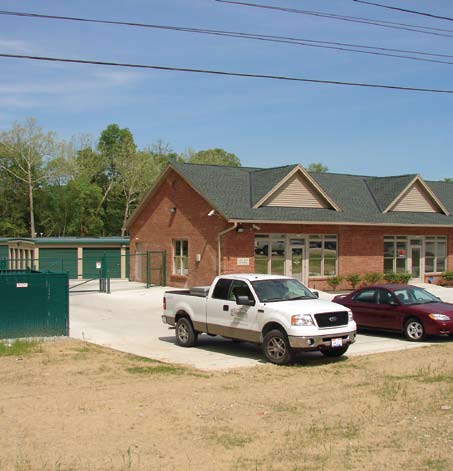
Integrating various other building materials in to a design is virtually unlimited as IMPs compliment glass, brick, aluminum composite and concretel very well, allowing designers to achieve form, function and clean lines to their most prestigious building designs.
The Contractor’s Advantage 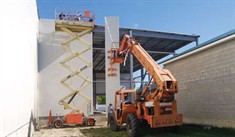
IMPs offer the absolute best in thermal efficiency, saving building owners money, while having a great deal of design flexibility to please architectural review companies. The benefits to the contractor? Well first off, most insulated metal panels can be installed in all climate conditions minimizing weather delays, saving money. In addition, IMPs are extremely lightweight when compared to other exterior wall materials, resulting in lower foundations, lighter framing and overall lower initial construction costs. Its lightweight characteristic also translates into quick and efficient construction using a one-step pass around the building-a major advantage of using IMPs when compared to traditional pre-cast, multi-piece, field-assembled wall systems which often require additional equipment and labor costs.
“Contractors can expand their business by familiarizing themselves with the features, benefits and installation methods of insulated metal panels and look for projects that require high energy efficiency,” says Kim Harrell of All Weather Insulated Panels, Vacaville, Calif. “Contractors can protect their business and market share by bidding projects that require better aesthetics and not worry about being rejected by building departments that will not allow traditional siding.”
Jane Swayze is the marketing manager at Oakville, Ontario, Canada-based Vicwest. For more information, visit www.vicwest.com.
Source URL: https://www.metalconstructionnews.com/articles/insulated-metal-panels/