Open the Door to Energy Efficiency
by Mark Robins | 1 September 2020 12:00 am
Minimizing energy costs with bifold and hydraulic doors
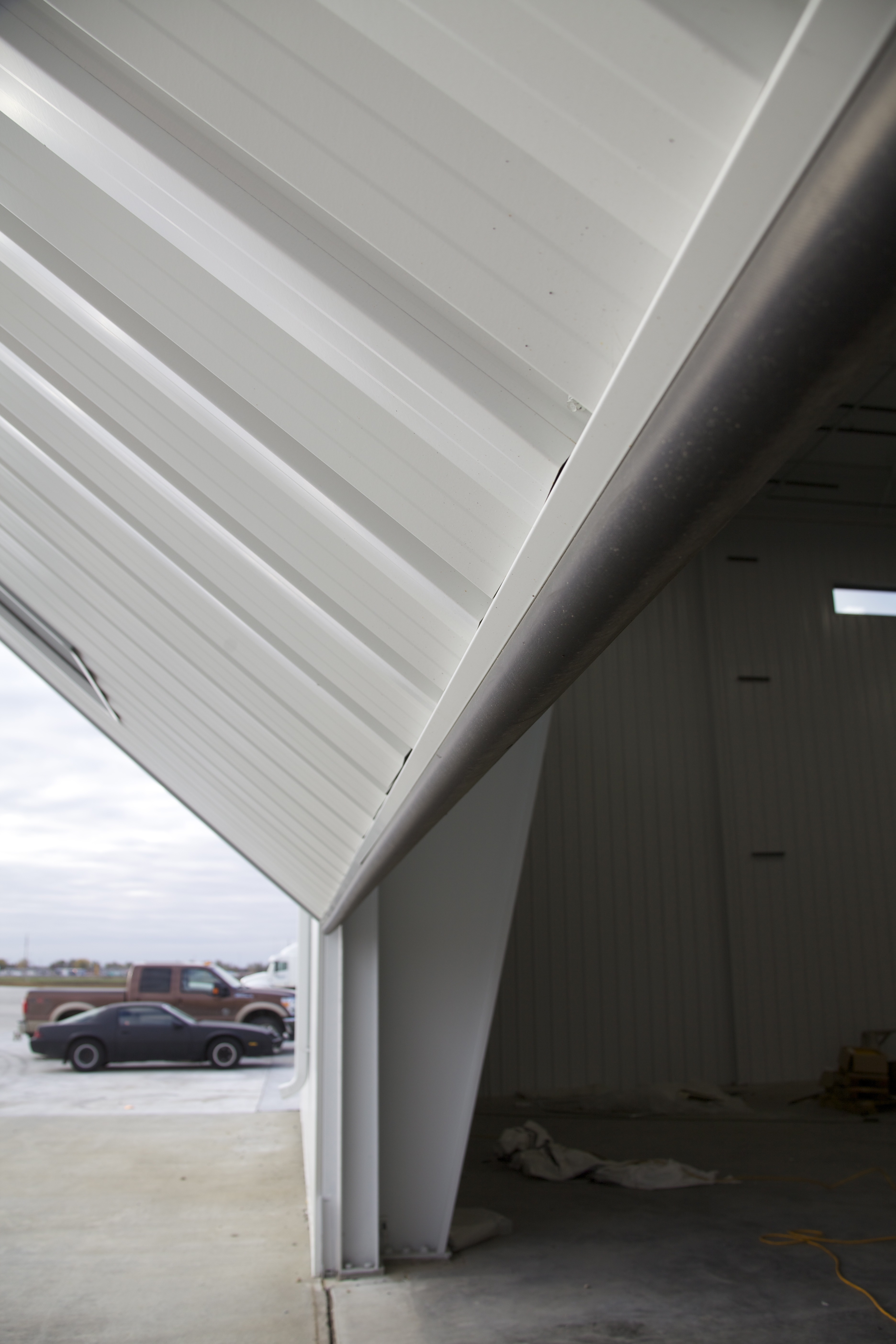
When looking for a hydraulic or bifold door, you’ll see that most, if not all, are customized options. Even so, it’s still worth noting that this is the most critical aspect of the door selection process. Just like the windows in a house, a bifold or hydraulic door that’s made precisely for the opening it’s intended will be one of best lines of defense against energy loss.
Facility Needs
Work with a manufacturer that is thorough and works from the beginning to the end of the project, designing, building and installing the door. This ensures they understand the needs of the facility and expectations of the project. For example, if temperature fluctuations are unacceptable due to the door’s proximity to sensitive materials, a swing-open hydraulic door with a fast open and close time might be preferred over a bifold door.
Some door manufacturers offer variable frequency drives (VFDs) for their bifold doors that decrease the door’s open and close cycle times by as much as 30%. Some VFDs also convert single-phase power into three-phase power, which is more economical because it doesn’t require as much conductor material.
Door Variables
In addition to minimizing how long the door takes to open and close, choosing to insulate the door can also have a big impact on controlling energy loss. Take a look at the insulation options and choose an option that will be appropriate for the climate and building needs. Work with a manufacturer to find the bestrated insulation for the climate. Insulation materials—such as white-faced blanket, board or spray foam—vary in cost and rating. When considering windows, be sure to look for insulated glass options to maximize efficiency.
A malfunction or broken part can have a big impact on a facility’s production, especially in the dead of winter. A door that is solid, durable and built with quality components ensures optimal performance and contributes to energy efficiency day after day. Look for all-steel designs, which provide greater stability than doors made with wood and steel. Heavy-gauge steel tubing and jig-welded construction are ideal for enhancing door durability and dependability.
To expedite the installation process and minimize heating and cooling costs during replacement projects, work with a manufacturer that fabricates the door off-site and ensures materials are delivered to the site before the project. This will ensure a quick and smooth installation.
Doors are exposed to the elements every day, so it’s important to occasionally inspect them, especially before winter, to ensure energy savings year after year. Take a look at the seals and weather strip, which are the door’s only defense against air infiltration where it meets the ground and building. Minimizing building energy loss and costs can be challenging when large building openings are needed, but knowing the ins and outs of installation and design will open the door to efficiencies and savings.
Jason Myrvik is general manager at Midland Door Solutions, West Fargo, N.D. For more information, email jason@midlanddoorsolutions.com[1] or go towww.midlanddoorsolutions.com[2].

- jason@midlanddoorsolutions.com: mailto:jason@midlanddoorsolutions.com
- www.midlanddoorsolutions.com: http://www.midlanddoorsolutions.com
Source URL: https://www.metalconstructionnews.com/articles/open-the-door-to-energy-efficiency/