Performance Standards for Metal Buildings’ Walkthrough Doors
by Mark Robins | 1 September 2020 12:00 am
Look at thermal properties and paint factors for doors
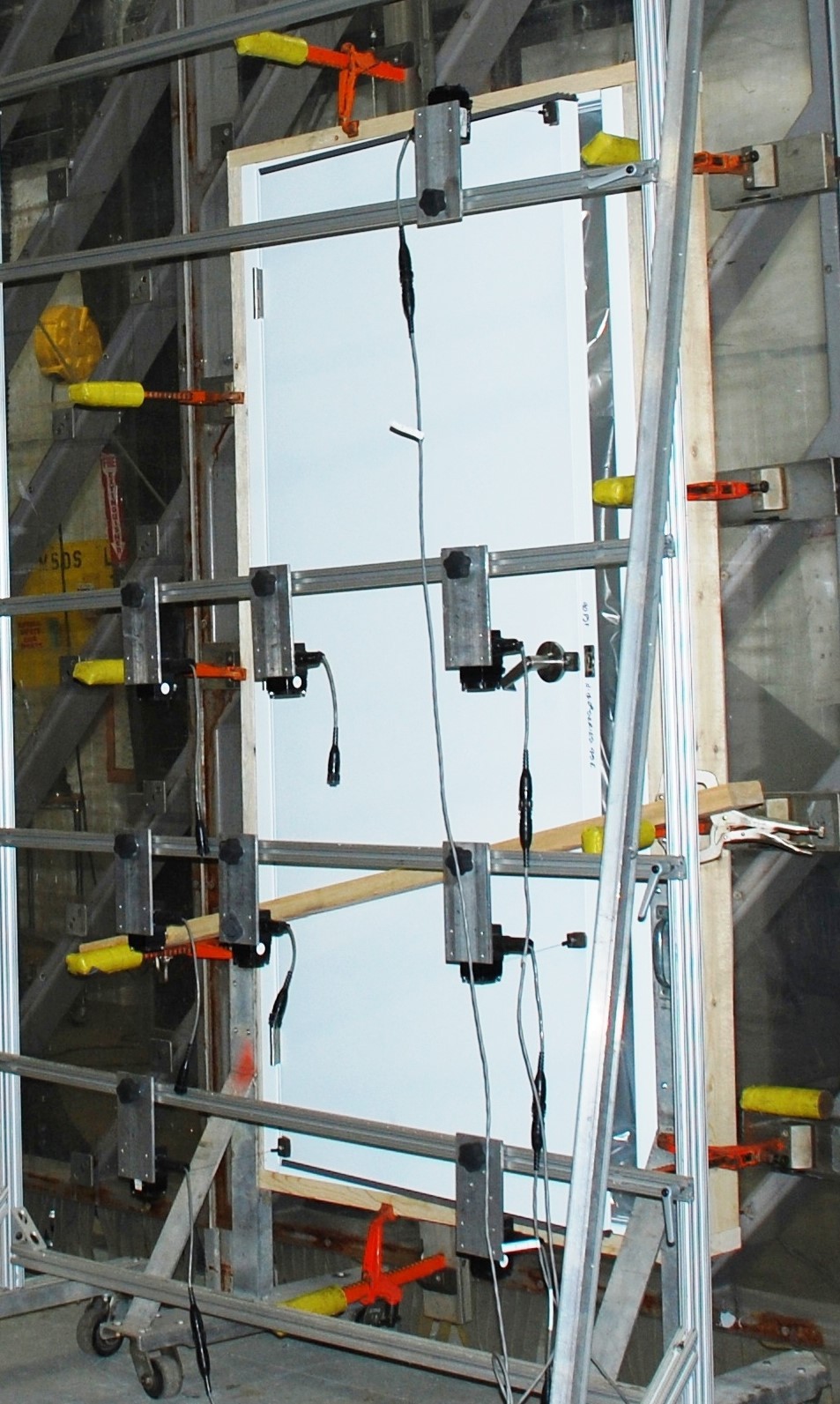
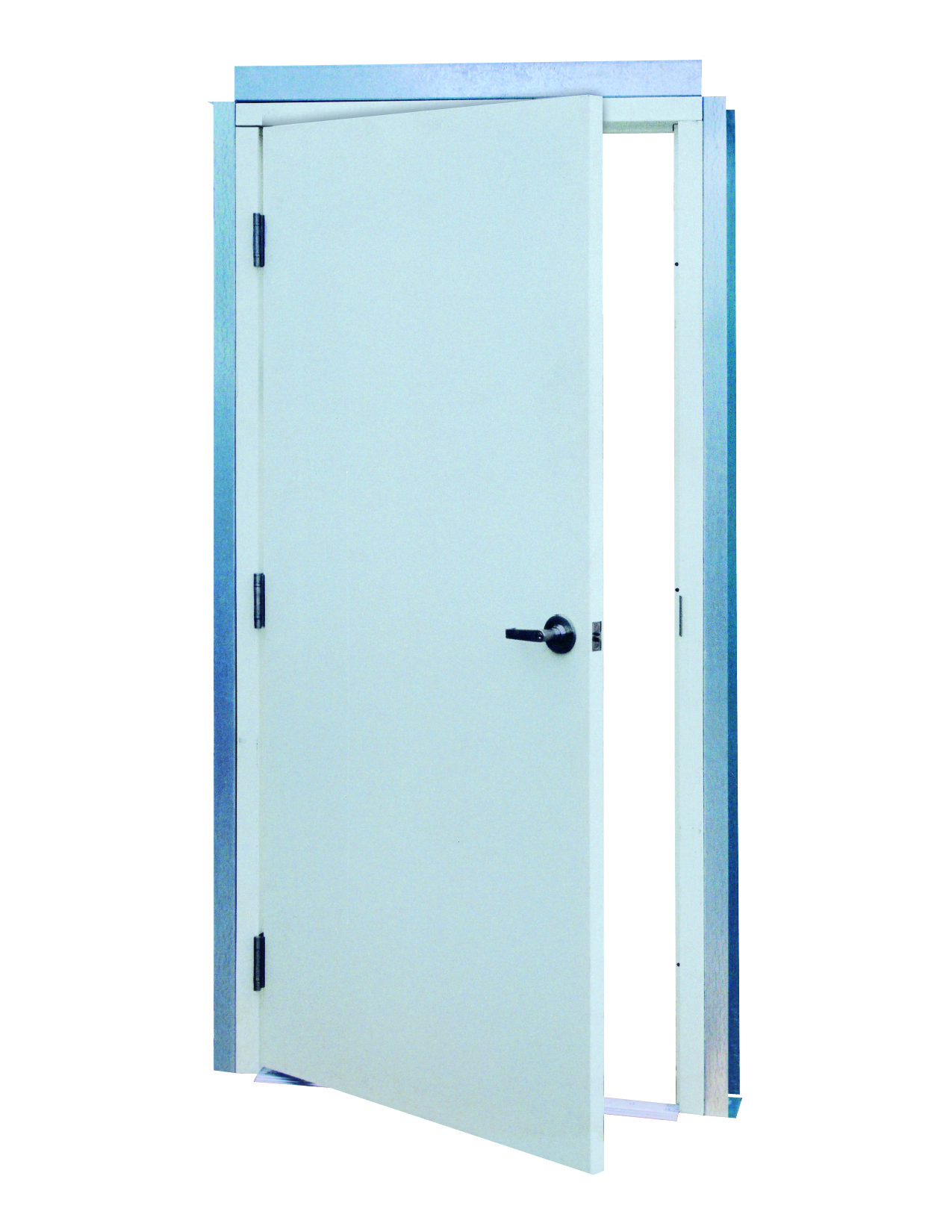
However, SDI (using ASTM and ANSI) sets the criteria or parameters of the testing and results required, but it doesn’t provide a recommendation for the actual door selection based on other factors that might be critical to your customer.
For instance, there are various tests for determining the thermal properties of the door core only, and a more recent and accurate test of the overall door/frame/hardware assembly. With both, the test agencies provide how the tests are to be conducted and reported, but don’t say what R-value you need or should want to attain. That decision is left to the decision maker outside of the testing scope.
For example, a typical polystyrene core may have an R-value of approximately 6, while a polyurethane core will fall around 11 (ASTM-C1363). In a similar way, the door opening test results (ASTM-C1199/NFRC-100) can vary widely depending on the door core used, the weatherseal and interaction with the frame, plus the sweep and threshold seal.
Thermal Property Importance
So, how important are the thermal properties of the door to the overall project? There is always a potential for the question of how much does each step along the way cost to get higher thermal values. Work with your provider to determine your needs and seek out the best solution for your project. SDI also provides recommendations for the gauges of doors and frames based on the application and expected usage.
While it’s easy to assume a heavier gauge door is better, it might be additionally beneficial to use various performance testing results as the basis for your door selection. Quality doors will not only meet the required standards, but exceed those standards during testing. Because of door construction differences, it’s very possible that a lighter gauge door can have the same or even higher test results than the heavier gauge door—at least in some areas the customer may deem important. Some of the more common testing standards are as follows:
Air infiltration: ASTM-E283
Water penetration: ASTM-E331
Physical endurance: AAMA 920, ANSI A250.4
Thermal performance: NFRC 100, ASTM-C1199, ASTM-C518
Wind storm resistance/structural: ASTM-E330, ANSI A250.13
Paint
Another critical factor in the decision process could be the paint and whether the doors come pre-painted from the supplier or if they will need to be field painted. Sometimes definitions can get confusing and different industries can use different terminology. Typically, doors that come from a contract hardware distributor will arrive in gray primer only and need to be field painted. Doors that come from a manufacturer or supplier with a focus on the metal building industry may have prepainted products, typically white and bronze colors at a minimum, and some can provide special colors.
This is a better paint process, as it has been applied in a controlled factory environment and doors are typically run through an oven, so the paint is considered baked on. A big question can be trying to determine whether or not the paint is a colored primer or a finish coat. SDI and Fenestration and Glazing Industry Alliance (FGIA), among others, have developed some standards whereby tests are performed for salt spray, condensation, impact, film adhesion and abrasion. Of course, the customer is generally just going to want to know the paint life expectation as well as weathering capabilities, so FGIA also has color retention, erosion resistance and chalking resistance as additional testing. To add another layer, some doors may be manufactured from pre-painted steel coils, which have additional features and high-performance standards that differ from a wet paint process.
Finally, as one could assume based on the desire to meet and exceed performance standards, it is important for doors, frames and other hardware components to be individually (and as an assembled unit) tested by a third-party agency. This can be verified by third-party testing results as well as labels or registrations like the Florida Building Code requirements.
If you’ve got a door that meets or exceeds standards, you’ve got a winner. The number of tests available makes it difficult to comprehend all that is required. Ask questions of your supplier and learn what’s best for your customers.
Tom Granitz is the national sales and marketing director, and Al Geisthardt is the engineer manager/product development at Plyco Corp., Elkhart Lake, Wis. To learn more, call (800) 558-5895 or visit www.plyco.com[1].
- www.plyco.com: http://www.plyco.com
Source URL: https://www.metalconstructionnews.com/articles/performance-standards-for-metal-buildings-walkthrough-doors/