Protect Your Workers from Themselves
by Paul Deffenbaugh | 1 April 2019 12:00 am
Workers often act impulsively, but improved safety training can help them make smart decisions in the moment

Honnold climbed it in less than four hours and he did it without any ropes—a technique called free soloing. You may have seen or heard of the Academy Award winning documentary “Free Solo” that depicts the climb. In one scene, a climber likens the level of this achievement to trying to win an Olympic gold medal, but if you don’t win, you die.
There aren’t many people in the world who would consider what Honnold does normal, and many would consider it potentially squandering a valuable life. While Honnold is at the extreme end of fearlessness, there are people—often young men—who live without the normal sense of fear that most of us have.
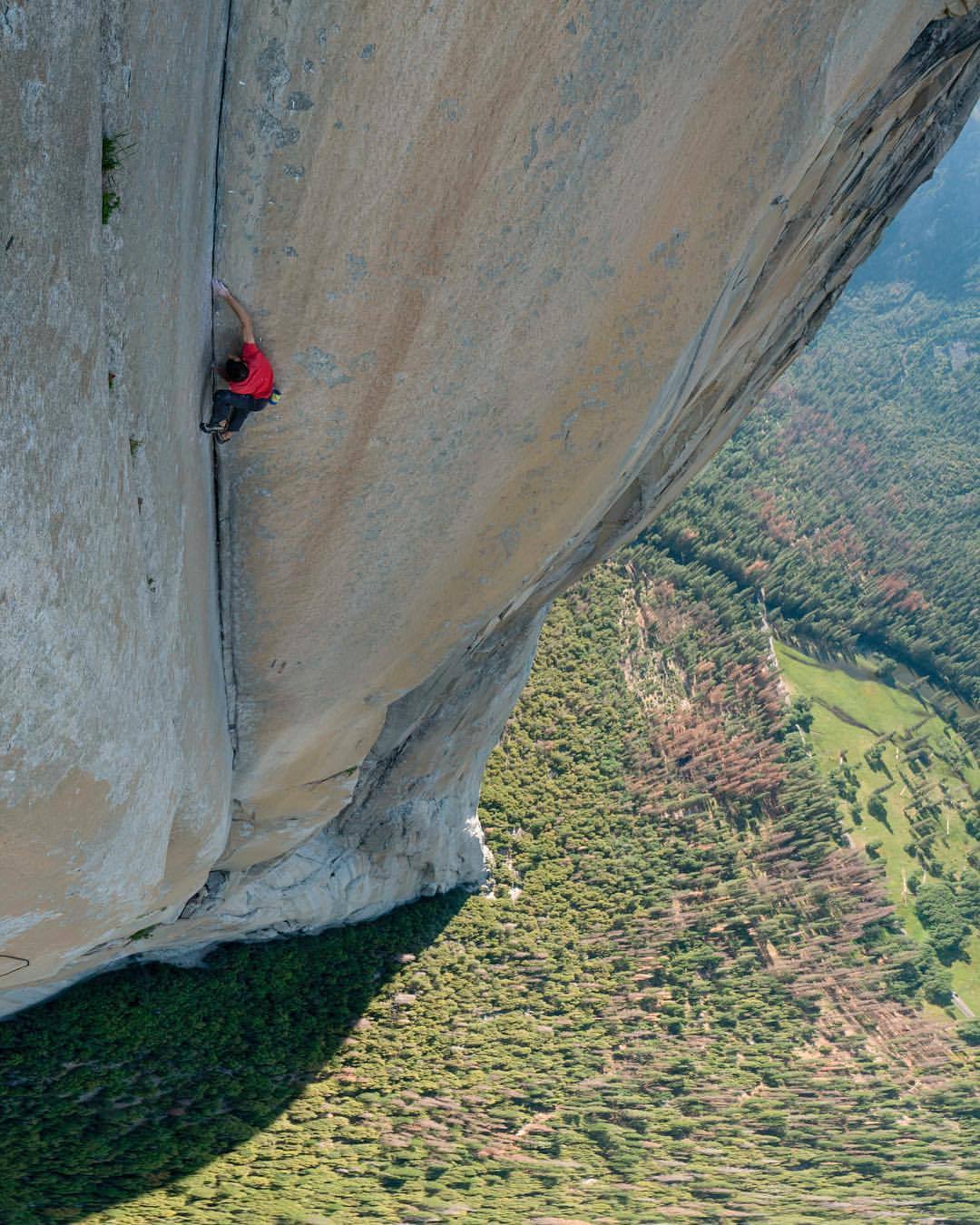
Alex Honnold climbs 3,000-foot tall El Capitan alone and without ropes.
You may have men (or women) such as that on your crews. They take unnecessary risks and put both themselves and others in danger. I remember times myself of youthful stupidity, standing on a plank 25 feet up to set up pump jacks without adequate bracing or tie offs. I didn’t think anything of it, but figured I was perfectly safe and protected by some kind of providence that looks out for dunderheads.
In our industry, we invest in safety and spend so much time training safe construction practices not just to educate our crews but to protect them from themselves. Humans make dumb choices, often on a spur of the moment, but in construction the dumb choice can have catastrophic consequences.
One of the most compelling themes of the “Free Solo” documentary is how Honnold’s decision to climb El Capitan without protection affects those around him, including his girlfriend and the film crew documenting the climb. Honnold’s death would have would have had a huge effect on their lives especially if one of the crew had inadvertently become complicit in his falling. They all had to live with that choice.
Your unsafe crew members need to know that their decisions affect those around them, not just themselves. And I don’t mean that the effect would be to potentially harm someone else on the crew— which is always a distinct possibility—but the psychological toll of a fellow crewmate seeing and experiencing the injury or death of a friend.
One of the things I admire about Honnold is that even though he is risking his life by engaging in activity at the extreme end of safety, he does not do it on the spur of the moment. He spent years planning this climb and practiced the hardest moves over and over while roped so that he could feel confident when he did them without a rope. He visualized and imagined the entire route, and developed specific stretching and strengthening exercises to be able to execute crux moves.
That’s what training your crew about safe practices does. When they are faced with the spur of the moment decision—to lean a bit farther or go a little higher on the ladder to accomplish a last bit of a task—the training will kick in and muscle memory will remind them of the safe choice.
Honnold’s decision to act in an unsafe manner came at the bottom of El Capitan. At every moment after that, he acted as safely as he could within those parameters.
Your crew members need to do both: make the safe decision when they step onto the job site and at every moment after that.
Source URL: https://www.metalconstructionnews.com/articles/protect-your-workers-from-themselves/