Safety Protocols: Scaffolding In Metal Construction Environments
by David Flaherty | 8 April 2025 12:12 pm
 [1]
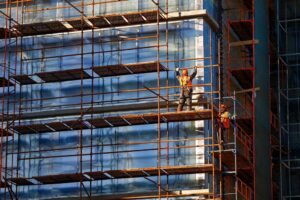
[1]In metal construction, scaffolding provides workers safe and stable access to elevated work areas. However, improper setup, inadequate safety measures, and overlooked maintenance can lead to severe injuries or fatalities.
By prioritizing proper scaffold selection, fall protection, and routine inspections, construction professionals can significantly reduce workplace hazards. Understanding these elements is key to preventing accidents and fostering a culture of safety in metal construction environments.
Selecting the right scaffolding for metal construction
Not all scaffolding is suited for the demanding conditions of metal construction sites. Factors such as height requirements, load capacity, and environmental conditions should guide the selection process. When selecting scaffolding, consider:
- Load-bearing capacity: Scaffolds must support workers, tools, materials, and any additional loads applied during construction. Exceeding weight limits can result in structural failures.
- Material durability: Metal construction environments expose scaffolding to heat, welding sparks, and heavy equipment. Steel or aluminum scaffolds offer superior durability and resistance to extreme conditions.
- Configuration and stability: Adjustable scaffolding systems, such as mobile and suspended scaffolds, provide flexibility in welding and structural assembly. Stability features like base plates, locking casters, and cross-bracing reduce tripping hazards.
Proper scaffold selection sets the foundation for a safer worksite, preventing collapses and structural failures before they happen.
Erecting and dismantling scaffolding safely
Building scaffolding correctly is just as important as selecting the right type. Mistakes during setup can compromise structural integrity, leading to unexpected collapses or worker falls. Best practices for scaffold erection include:
- Qualified personnel only: Scaffolding should only be erected and dismantled by workers trained in safe assembly procedures. To minimize errors, crew members should follow manufacturer guidelines and Occupational Safety and Health Administration (OSHA) standards.
- Secure footing and leveling: Uneven or soft ground can cause scaffolding to shift or sink. Outriggers, mud sills, or base plates provide the necessary support for stable assembly.
- Guardrails and toe boards: Installing guardrails at all open edges helps prevent falls, while toe boards keep tools and materials from dropping onto workers below.
- Anchoring and bracing: Scaffolds should be tied into the structure regularly, preventing movement or collapse from wind, vibrations, or shifting loads.
Dismantling scaffolding requires the same level of attention. Workers should remove components in a controlled sequence, avoiding sudden shifts in weight that could cause instability.
Fall protection: The most critical safety measure
Falls are the leading cause of injuries and fatalities in construction. In metal construction–where workers often operate at significant heights–fall protection is non-negotiable. Leading strategies for fall protection include utilizing:
- Personal fall arrest systems (PFAS): Per OSHA guidelines, workers should be equipped with harnesses, lanyards, and anchor points when working at heights above 3.1 m (10 ft).
- Guardrail systems: Sturdy top rails, mid rails, and toe boards should be installed on all open sides to prevent accidental falls.
- Ladder and access points: Safe entry and exit points–such as stair towers or secure ladders–prevent workers from using unsafe climbing methods.
- Debris netting and safety nets: These provide an extra layer of protection, reducing injury risks in case of a fall.
Consistently reinforcing fall protection protocols helps reduce the number of scaffold-related incidents, keeping workers safe while they operate at elevated positions.
Routine inspections: Identifying and addressing hazards
Scaffolding must be inspected before each shift to detect wear, damage, or structural weaknesses that could compromise safety. Regular inspections help identify potential hazards before they escalate into dangerous situations. A scaffolding inspection checklist should cover:
- Structural integrity: Look for bent or damaged frames, missing cross-bracing, or loose components.
- Base stability: Check for uneven ground, unsecured base plates, and signs of shifting.
- Plank security: Confirm that platforms are fully secured and free of cracks, rot, or warping.
- Guardrails and toe boards: Verify these are firmly attached and provide full coverage around open edges.
- Load limits: Confirm that workers, tools, and materials do not exceed scaffold weight capacity.
- Weather conditions: Rain, wind, and ice can create slick surfaces and weaken scaffold stability. Adjust work schedules accordingly.
If any issues arise during inspection, the scaffold must be removed from service until repairs or adjustments have been made.
Training workers on scaffold safety
Even the most advanced scaffolding systems are ineffective if workers lack proper safety training. Metal construction crews should receive ongoing scaffold safety education, covering both OSHA regulations and real-world hazard prevention.
Regular training reviews are essential for maintaining a safe work environment. Workers should be well-versed in proper assembly and dismantling techniques to prevent structural failure. They must also know how to inspect scaffolds and identify early warning signs of wear or instability.
Fall protection procedures should be reinforced consistently, including correctly wearing and securing a safety harness. Training should also cover safe movement and material handling on scaffolds to reduce the risk of tip-overs and falling objects, keeping workers and the job site secure.
A well-trained crew is the best defense against scaffolding-related injuries. Continuous education keeps workers aware of potential risks and reinforces a culture of safety on-site.
The role of scaffolding services in safety compliance
Enlisting professional scaffolding services[2] can help maintain safety standards across metal construction sites. Partnering with scaffolding providers offers several key benefits, including access to high-quality, load-tested scaffolding materials that meet industry demands. Expert installation is performed in compliance with OSHA and ANSI regulations, reducing the risk of structural failures.
Additionally, certified inspections and risk assessments help identify potential hazards before they become serious issues. On-site safety consultations and compliance support further contribute to a safer and more efficient work environment, allowing construction teams to focus on the job with confidence.
By outsourcing scaffolding setup and maintenance, metal construction firms can minimize risk, improve efficiency, and maintain compliance without burdening their workforce with additional responsibilities. Partnering with a trusted scaffolding services provider is a smart investment in worker safety and long-term job site efficiency.
Creating a safer metal construction worksite
Scaffolding safety is a shared responsibility between employers, supervisors, and workers. By enforcing clear safety protocols, investing in training, and utilizing professional scaffolding services, metal construction professionals can build safer job sites where workers can perform at their best without unnecessary risk.
A proactive approach to scaffolding safety doesn’t just protect lives–it strengthens the entire industry.
Julio Black is the head of product marketing at AT-PAC. He has 15 years of industrial and commercial scaffolding experience, along with technical expertise, a strategic mindset, and leadership skills. Black is committed to driving business results, fostering innovation, and creating exceptional customer experiences.
- [Image]: https://www.metalconstructionnews.com/wp-content/uploads/2025/04/shutterstock_2459417705.jpg
- scaffolding services: https://www.at-pac.com/services
Source URL: https://www.metalconstructionnews.com/articles/scaffolding-metal-construction/