Selecting and Installing Metal-to-Metal Fasteners
by Mark Robins | 1 July 2022 12:00 am
Consider many variables to benefit from fasteners
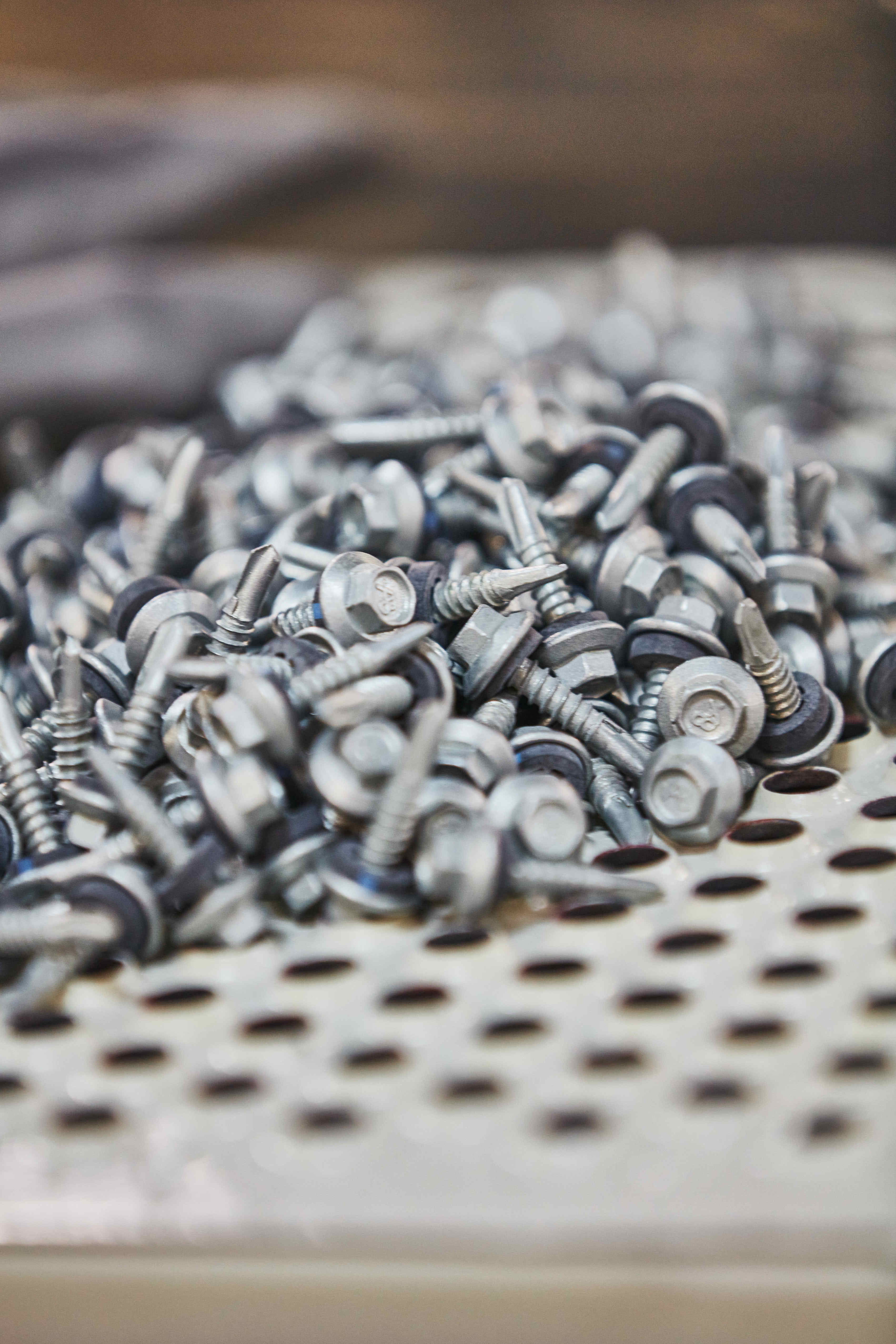
Engineered metal buildings have very specific design considerations that have been tested for the building type and location; consider snow loads. Different areas of the building may require different fasteners or layout. It’s always easier to ask questions beforehand than afterwards.
Fastener Types
Basically, there are two types of metal-to-metal fasteners: self-drilling and self-tapping. Self-drilling screws drill through the panels and substrate, and then form the threads all-in-one process. Self-tapping screws require a pre-drilled hole into which the screws will be installed, with the fastener forming the threads as it makes its way through the metal.
If using self-drilling screws, be certain that the point style is long enough for the panels and substrate to completely finish drilling before engaging the threads into the metal. If using self-tapping screws, it is very important to use the proper thread type and pre-drilled hole size for the thickness of materials. This information will be available from your fastener supplier.
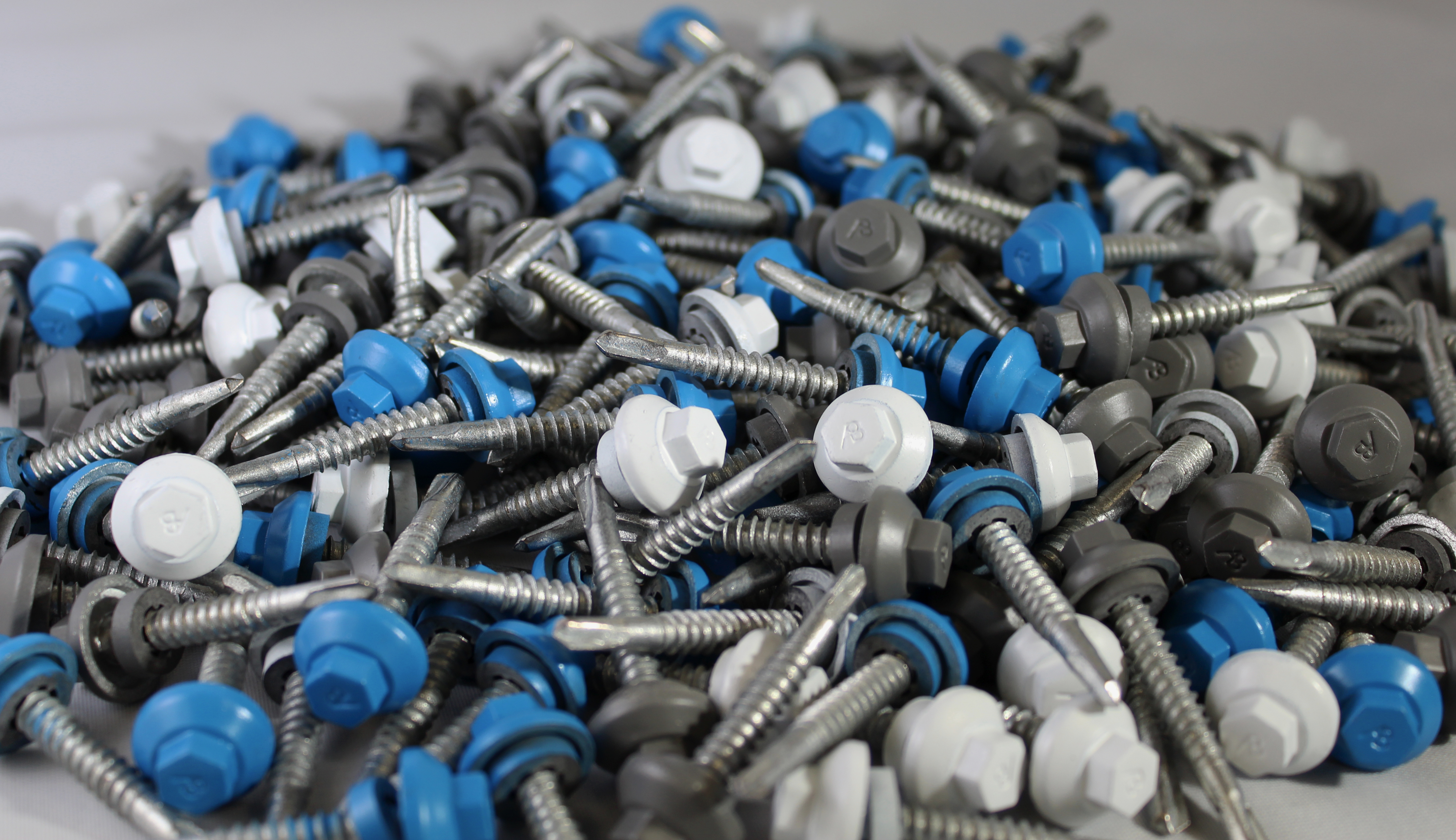
The same basic fastener type can be available in several design styles. The standard self-drilling screws are a hex washer head design, usually with a bonded steel/EPDM sealing washer. That same screw can be available with a flanged dome design with a tubular washer that fits up under the head when installed. On side walls, some designers favor a low-profile head style. Also available and increasingly popular are long-life fasteners with zinc heads cast onto the screw shank.
Use the Proper Tool Properly
It is important to use a screw gun with a variable clutch-and-depth sensing nose piece. Do not use impact drivers or standard drills. For an installation over rollformed purlins or girts use a 2,500-rpm screw gun. For installation into structural steel and self-tapping screws install the screws at 1,000 rpm. Let the screw do the work. Self-drilling screws will drill through a 14-gauge purlin in 3 or 4 seconds. Too much force can lead to overheating and failure of the drill point.
Proper Seating of Fasteners
Issues that can result from under/overdriven fasteners on a job site are leaking connections, broken heads or stripped screws. Be certain to properly seat the fasteners, just compressing the washer EPDM enough to provide a good seal. When working on a slope or pitch of a structure, the slope can create inconsistency during the drilling process. Installing the fasteners perpendicular to the panel ensures the fastener and washer are tightly seated to the panel, creating a weathertight seal.
Many contractors re-visit the job site six months or a year after installation to walk the roof and look for any fasteners that may need to be re-seated due to building movement. This will yield a positive result for the building owner.
Now What?
A large building can have thousands of fasteners to complete the installation. If you have a few fasteners that became stripped or missed the purlin, do you have some larger diameter or “goof” screws that be used to replace the fastener in question?
Don’t Be Tempted to Use Generic Fasteners
Be certain to use the fasteners supplied by the building manufacturer. These fasteners have been tested and approved for the building as designed. The fasteners’ strength characteristics such as torsional/shear strength and ductility have been considered when designing the building.
Site Safety
As always have a site-specific safety review before beginning the installation. Who will you call in an emergency? Are they five minutes away or an hour? While all are responsible for safety, one person should oversee the site safety. Watch each other’s backs and use all appropriate PPE while working.
Ed Lash is product manager for Atlas Building Products, Houston. To learn more, call (713) 937-6599 or visit www.atlasfasteners.com[1].
- www.atlasfasteners.com: http://www.atlasfasteners.com.
Source URL: https://www.metalconstructionnews.com/articles/selecting-and-installing-metal-to-metal-fasteners/