Self-storage Facilities’ Economic Viability
by Jonathan McGaha | 1 May 2017 12:00 am

Self-storage units have tremendous potential for all
 In the ever-volatile world of the steel building industry, self-storage buildings remain one of the most resilient products. Their production and profitability continue to rise as people continue to find needs for more space. As the economy strengthens, more people purchase and thus need more room to store older items. A New York Times study from 2009 found that one in 10 Americans rent off-site storage units, and this was conducted during a recession. With a new, cautiously optimistic outlook for the economy, many people expect to see financial gains leading to more spending and more possessions leading to an increase for the industry that saw minimal losses in a low economy: self storage.
Self-storage units can have tremendous potential for all parties involved in the process. They assist steel building suppliers by providing opportunities for sales as well as contractors in the construction. They also provide financial potential for those who own the units as well as renters that can store items, to potentially sell, as oppose to discard them. While there is no guarantee of viability in the self-storage business, they do appear to be a solid market for the involved parties.
The facilities that house storage units can be constructed using both steel framing and wood framing, with various similarities and differences between the two. Steel framing lends itself to better return on investment due to the faster construction time line, lower maintenance, and long-term reliability of the materials. By working with the right steel materials supplier, contractors can also ensure that they are receiving a custom-engineered project that works perfectly for their needs and helps maximize their investment. Wooden-framed facilities, on the other hand, while possibly a cheaper initial investment, often require much more maintenance due to the vulnerability of materials from external causes such as fire, infestation and rot.
Two Basic Categories
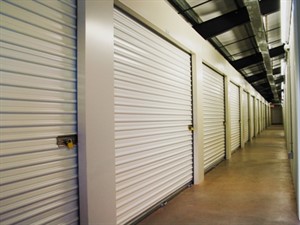
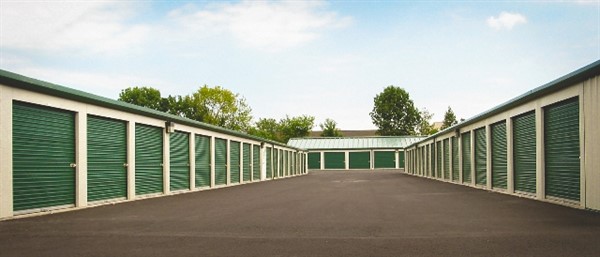
Typically, regardless of framing materials, selfstorage buildings can be classified into two basic categories: indoor and outdoor. There are also sub-categories such as whether or not units are climate controlled. Outdoor storage facilities, especially in more rural areas, tend to have larger space as well as greater convenience for access. These units see more usage for larger items from furniture to vehicles and often have a greater value per square foot. However, it is much more uncommon to find climate-controlled outdoor units, and they are sometimes viewed as less secure due to the direct, outside access.
Indoor facilities tend to serve more of the opposite purpose; these facilities are more like personal closets than garages. These units tend to be, on average, much smaller as well as having access only through the main entrances of the buildings. Despite the smaller unit size, these self-storage facilities tend to be favored by those that like the second layer of security as well as those who need the climate control for their personal items.
Both types of self-storage facilities have their advantages and disadvantages based on the needs of the individual. Location can also have an impact on the facilities available. As mentioned, rural areas tend to have more outdoor storage facilities as the availability of space is greater allowing for more space for units. Inversely, urban areas tend to have more indoor storage facilities as there is often less space for sprawling units and thus a multilevel building that takes less ground-area is favored. As mentioned previously, self-storage facilities tend to have a resilience to economic changes and at times, give the impression of being strong regardless of the economic climate. Self-storage units continue to be rented at a consistent rate as Americans purchase more and tend to throw away less. This seemingly provides an excellent market outlook for pre-engineered steel building manufacturers, contractors and facility owners.
Frank Kmetz is national sales manager at Corle Building Systems, Imler, Pa. To learn more, visit www.corle.com[1].
- www.corle.com: http://www.corle.com
Source URL: https://www.metalconstructionnews.com/articles/self-storage-facilities-economic-viability/