Why Snow Guards Are Essential for Metal Roof Systems
by David Flaherty | 16 October 2025 2:02 pm
 [1]
[1]Metal roofs are known for their exceptional durability, longevity, low maintenance, and sleek aesthetics, making them a popular residential and commercial construction solution. However, in regions that experience snowfall, the performance of a metal roof must include one critical component: snow retention.
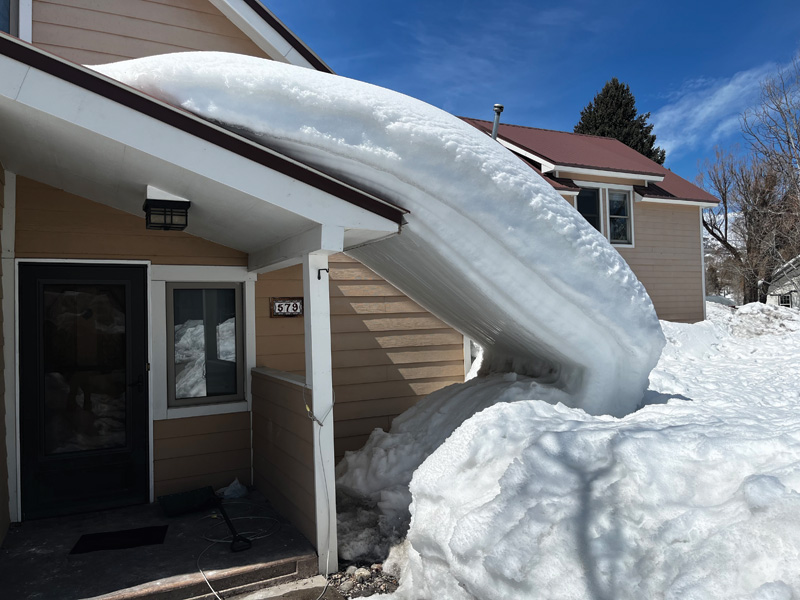
While snow accumulation on a rooftop may look harmless—glistening in the sun or frozen in place for days—its release can be sudden and dangerous. Snow does not always melt gradually. On the contrary, an entire blanket of snow can slide off at once, creating a rooftop avalanche capable of injuring pedestrians, damaging property, and compromising the building envelope.
An engineered snow guard system that is mechanically attached allows snow to remain in place and melt gradually, reducing the risk of sudden release. Even in areas with moderate snowfall, snow retention is a practical and often necessary solution.
Safety for building occupants and pedestrians
Protecting people below a building’s eaves is of the utmost importance. Entrances, sidewalks, and loading zones are often located directly under canopies and
eave lines—where falling snow is most likely to occur. Without snow guards, these zones become high-risk areas in the winter months.
A snow guard system increases friction between the snowpack and the roof surface, reducing the likelihood of a sudden snow slide and helping to ensure a safer environment for building occupants.
Reduced liability
From a risk management standpoint, snow guards can help minimize exposure to injury claims and property damage. Building owners can be held responsible for accidents involving snow and ice that falls from their rooftops. While signage might offer a temporary warning, it is not a substitute for an engineered snow retention that physically mitigates the hazard.
Designing with occupant safety in mind—and demonstrating preventative measures—can also help lower insurance costs and strengthen defense against liability claims.
Protection for vehicles, equipment, and landscaping
Snow and ice do not discriminate. Anything beneath an eave or roof edge is vulnerable, whether it is a parked vehicle, outdoor equipment, or decorative landscaping. Once snow accumulates on a roof, it increases mass. It can also produce significant sliding forces, resulting in the sudden release of snow and ice, dumping tons of the fallout below the eaves in a matter of seconds. This causes hundreds of millions of dollars in property damage, personal injury, and even death each year.
Even after the snow hits the ground, it can continue to cause issues: meltwater may be redirected toward building foundations, or repeated removal efforts may be required, increasing operational costs.
Preservation of roofing and building components
Rooftop avalanches from metal roofs can cause serious damage to the building envelope. Gutters can be ripped off, flashing and vents torn away, siding dented, and roof seams stressed or separated. The impact force can also damage lower-level roofs or awnings beneath higher roof sections.
A properly engineered snow retention system helps distribute snow loads evenly across the roof, reducing concentrated force and protecting the long-term integrity of the building’s exterior systems.
Lower long-term maintenance and repair costs
 [2]
[2]
Incorporating snow guards from the outset is significantly more cost-effective than performing repairs after damage occurs. Snow guards help preserve a roof’s performance by minimizing damage caused by heavy snow and reducing risks, such as water infiltration, panel damage, or damage to roof components. By proactively managing snow accumulations, snow retention systems maintain roof integrity and reduce costly repairs throughout the roof’s life.
As outlined in the Metal Construction Association’s technical bulletin, Qualifying Snow Retention Systems for Metal Roofing, snow guard systems must be engineered specifically for the anticipated snow load, roof type, and attachment method. When specified and installed correctly, these systems decrease maintenance needs and extend the roof’s overall lifespan.
Do not leave snow management to chance
It is easy to overlook risks when snow appears static, but conditions can change instantly. Sunlight, temperature fluctuations, or heat loss from inside the building can weaken the bond between snow and metal, releasing tons of it without warning.
But do not be fooled by just any snow retention system. Choosing the right system for a metal roof requires a clear understanding of the factors that impact both performance and safety. Building owners and contractors should prioritize safety by selecting a verifiably tested, scientifically engineered system manufactured in a certified facility. Compatibility with local snow loads, roof geometry, and aesthetic goals is also critical.
Material selection, proper installation, and adherence to best practices are essential to protecting the integrity of the roof and avoiding liability. Just as important is working with a reputable vendor—one that offers engineering documentation, performance warranties, and load calculations—to ensure long-term reliability and peace of mind.
Snow guards are not a bonus—they are a critical design element for metal roofs in cold climates. Whether for new construction or retrofit projects, incorporating a properly engineered snow retention system is essential for protecting people, property, and the roof itself.
Rob Haddock, CEO and founder of S-5! and director of the Metal Roof Advisory Group, is a former contractor, award-winning roof forensics expert, author, lecturer, and building envelope scientist who has worked in various aspects of metal roofing for five decades. S-5! is the first and only snow retention manufacturer to achieve an Evaluation Report of Compliance (ER) with the IAPMO EC 029–2018 which is the industry standard for testing and certifying snow retention devices. For more information, visit S-5.com.
- [Image]: https://www.metalconstructionnews.com/wp-content/uploads/2025/10/image_50435073.jpg
- [Image]: https://www.metalconstructionnews.com/wp-content/uploads/2025/10/image_67182849.jpg
Source URL: https://www.metalconstructionnews.com/articles/snow-guards-metal-roof-systems/