Storing and Handling Metal Roll-Up Doors
by Mark Robins | 1 September 2020 12:00 am
Helping to preserve the material and ensure the job is completed successfully
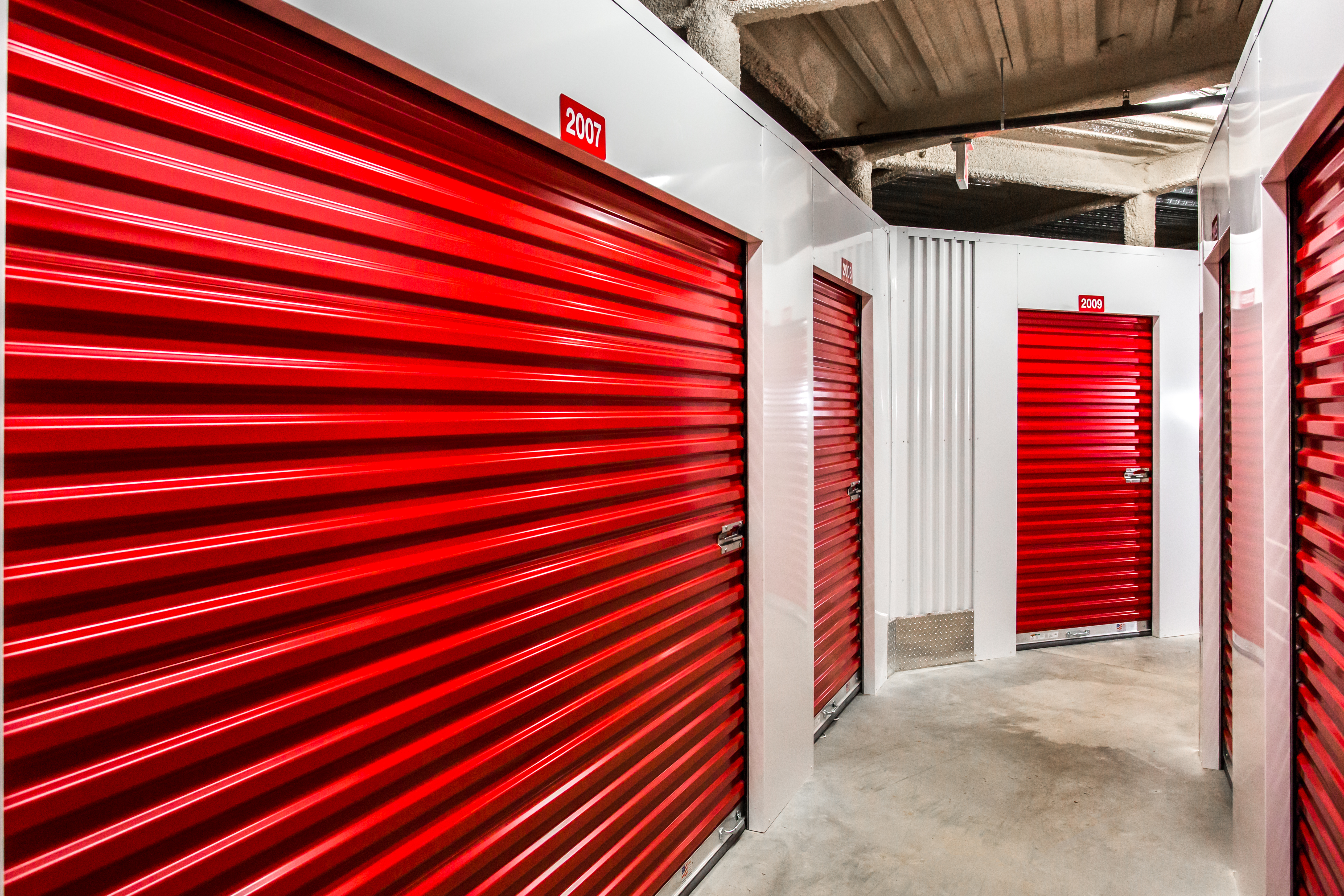
Before the material is shipped, it is an industry best practice to conduct pre-installation meetings with everyone involved with the project including your suppliers. This allows each person to be aligned with the construction schedule, material sequencing and knowing how the material will be arriving to the job site. Once the job site warrants delivery, it is imperative to know how to store and handle metal roll-up doors as it impacts the success of completing your self storage project on time, in budget and with ease.
After Delivery
First, it is recommended that once the product is received from the manufacturer to inspect all materials to confirm they are without acceptable damage and properly packaged. An inspection is a more thorough review of all the items noted on the packing slip to ensure that what you have received is free of acceptable damage such as dents, discoloration, breakage, etc. If materials are damaged or presumed not to be on-site, quantities are incorrect and have not been noted on the packing list, take pictures and make notes on the Bill of Lading.
The Bill of Lading is a legally binding document of the acceptance of complete and total responsibility for the material. If the material appears to be correct and has been offloaded, it is now time to do a more thorough inspection of the shipment. After reviewing, if there appears to be items missing or damaged, communicate any discrepancies immediately. Most manufacturers require that any discrepancies must be reported within 48 hours. After the grace period, the material and discrepancies are the responsibility of the install partner.
Handle with Care
Now, after the crates, pallets or packaging have been broken down, it is important to handle the material with care. Follow manufacturers handling instructions and have a minimum of two employees move the product. Never drag or push the material around the job site. Keep aisles clear to provide for safe movement of material and equipment for employees. Dispose of debris and dunnage in the provided receptacles and in accordance with local regulations.
If conditions do not allow for immediate installation, extra care should be taken to preserve the material from damage. This will help you maintain the integrity of the metal curtain and hardware. For instance, if you need to move your door to a new location or simply transport it at the install site, there are several important considerations to keep in mind.
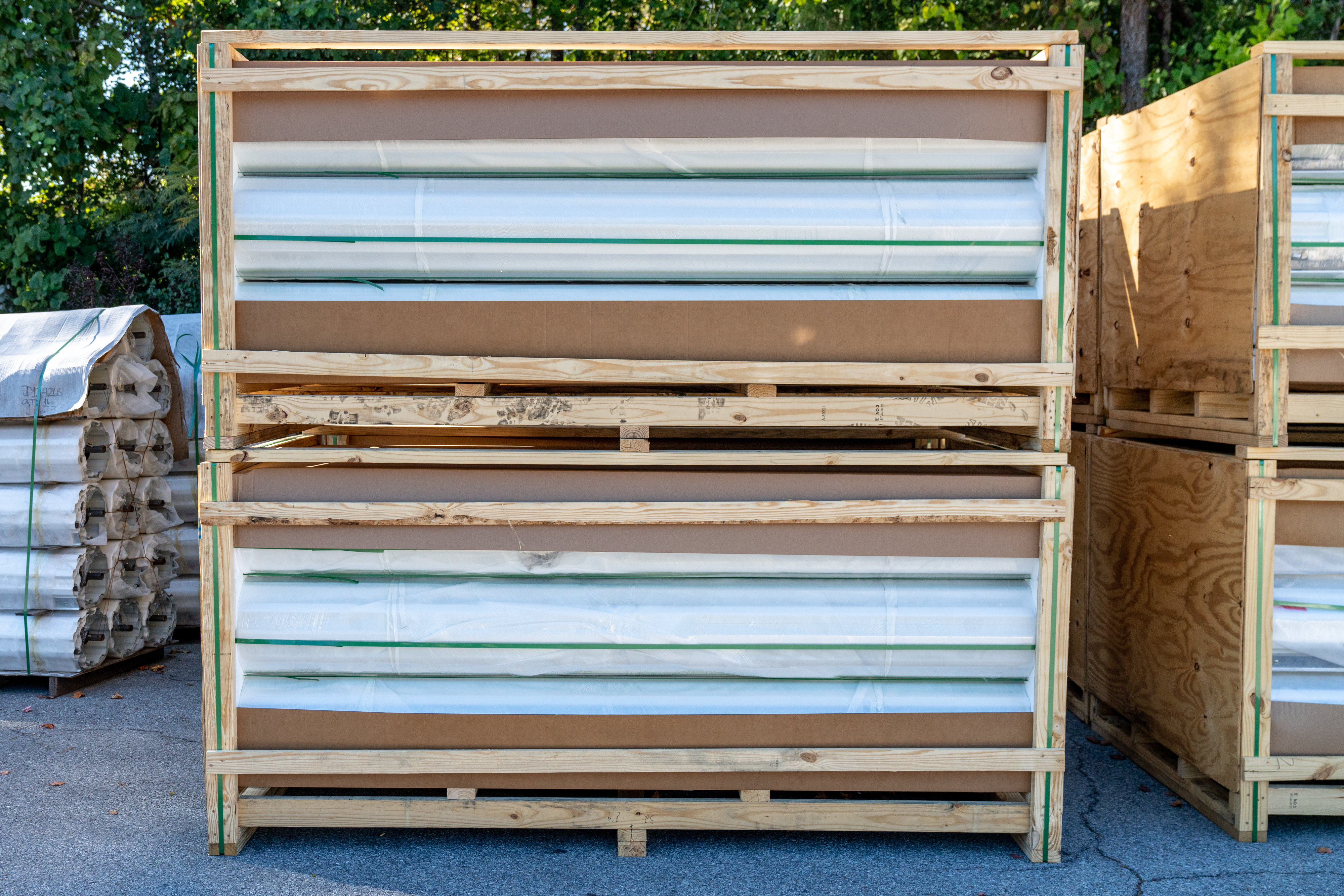
If you need to move the product to another location, we recommend using an air-ride truck. This will provide a smoother ride, limiting the possibility of damage during transit. For ease of transport, do not remove the door from the skid. When lifting the skid and/or doors, add padding under the straps to avoid scratches or dents. Also, be sure to use caution when operating forklift booms or any other transit vehicles to transport the skids. It is important to avoid hitting the outside of the skids with any transport vehicle.
Lastly, keep the materials be kept away from harsh environments and elements to prevent rust, discoloration and damage from other trades such as welding burn marks. It is recommended materials be stored indoors or staged when possible with dry air circulation and be in compliance with site safety regulations. Photo documentation should be completed when storing materials for long periods of time to provide support in case of loss or damage.
Using these best practices when receiving and storing material for your self storage project can help preserve the material, retain warranties and ensure the job is completed on time and in budget.
Ashley Harper is product manager at DBCI, Douglasville, Ga. DBCI manufactures steel curtain roll-up doors for both self storage and commercial use. To learn more, visit www.dbci.com[1] or call (800) 542-0501.
- www.dbci.com: http://www.dbci.com
Source URL: https://www.metalconstructionnews.com/articles/storing-and-handling-metal-roll-up-doors/