Successfully Reduce Energy Consumption Due to Lighting
by Mark Robins | 30 November 2017 12:00 am
There’s nothing greener than off
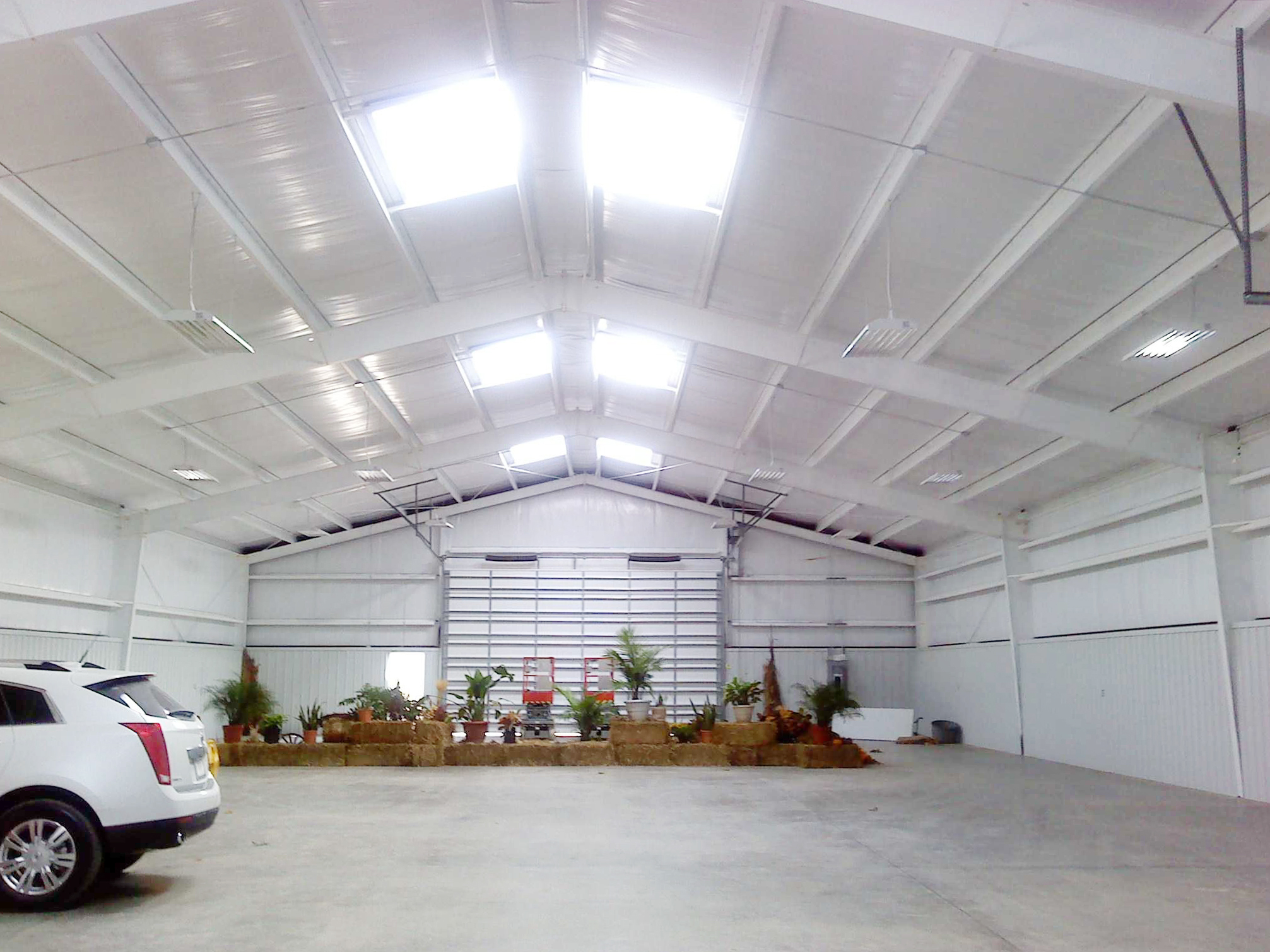
Lighting is one of the areas that has seen significant improvement over the past five years. Coming in at 17 percent lighting was the single largest consumer of electricity in commercial buildings in the U.S. in 2012. As of 2016, due to concerted efforts to use alternative technologies, lighting has now dropped to 7 percent total usage on the list of total electrical consumption in commercial buildings.
Codes and Standards
The updating of codes and standards has been one of the driving factors of this effort; in particular, ASHRAE Standard 90.1-2013 and ASHRAE Standard 90.1-2016. Prior to those two updates, ASHRAE Standard 90.1-2007 was the benchmark. The data relating to improvements made over time speaks for itself. Much of the improvement was due directly to ASHRAE Standard 90.1-2013. Now that we have ASHRAE Standard 90.1-2016 in place, we must ask ourselves how this will affect lighting in commercial buildings now and in the coming years. Section 9 of ASHRAE 90.1-2016 outlines the standards for lighting in commercial buildings.
Interior Lighting Power Density Limits (LPD) is the measure by which this standard specifies lighting requirements. So, what has changed? ASHRAE Standard 90.1-2016 has reduced the LPD, on average, by 26 percent for the Space-by-Space Method, and as much as 34 percent for Building Area Method. Overall, the LPD reduction is approximately 12 percent across all commercial building types. It is also worth noting that while the energy codes limit the installed LPD, it does not specify or require the use of specific lighting technologies.
Alternative Technology
Daylight harvesting is one of the technologies that has contributed to the overall successful reduction in energy consumption due to lighting. Utilizing natural light for the illumination of interior spaces in metal buildings has, and will continue to be, a very viable option. Seventy percent of all lighting energy consumed in commercial buildings is during the day, which makes the use of skylight technology an obvious choice.
According to ASHRAE 189.1-2014, Section 8.4.1, building designs utilizing high visible light transmission skylights with a minimum diffusion of 90 percent—in combination with a daylighting control system—can eliminate any solar heat gain coefficient from the design. This is due to high-performance daylighting generating just half of the heat buildup of the most efficient fluorescent lighting system for the same lumen level. This means that you get twice the light for the same amount of heat, or conversely, half the heat for the same light, making it an efficient industrial industrial lighting system on the market.
Intangibles
Studies have shown that the use of natural light in commercial buildings produce very positive effects on its occupants. The attitudes, energy levels and productivity of its occupants are markedly better than those continuously exposed to artificial lighting and/or poorly lit areas. Therefore, the use of natural light not only has measurable economic and energy savings advantages, it is also beneficial to our overall health and well-being.
Dave Tomchak is product and marketing manager for Bay Insulation Systems, Green Bay, Wis. For more information, visit www.bayinsulation.com[1] or call (920) 406-4200.
- www.bayinsulation.com: http://www.bayinsulation.com
Source URL: https://www.metalconstructionnews.com/articles/successfully-reduce-energy-consumption-due-to-lighting/