The Importance of Fastener Selection
by Mark Robins | 1 July 2022 12:00 am
Use the right fastener for the right application
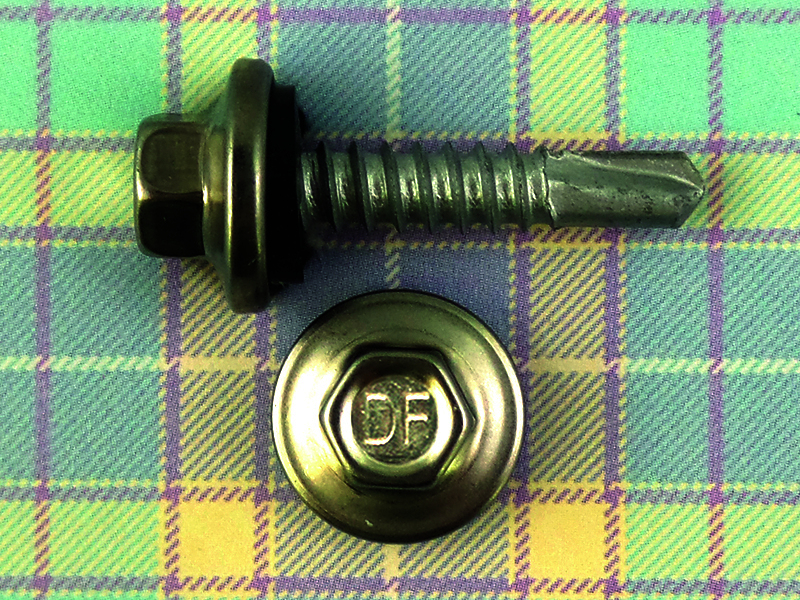
Contacting a reputable fastener company who has experience in all trades will no longer have you thinking “Am I using the right part for the right application”?
Self-Drilling Screws
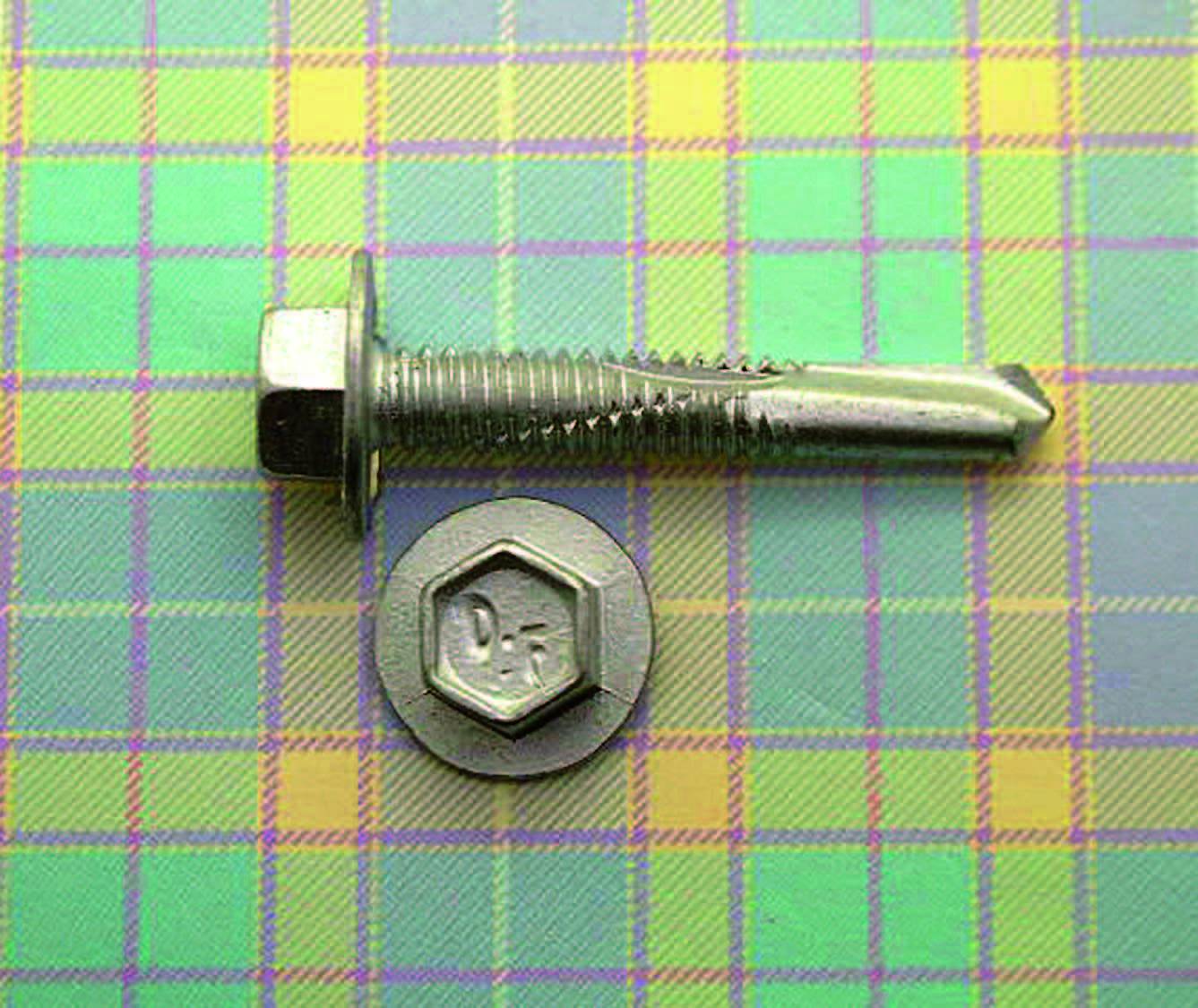
Self-drilling screws are used for sheet-to-sheet stitching, sheet-to-steel framing and sheet-to-structural applications. They are designed to drill, tap and install in a one-step operation. With a drill tip on the end of each screw there is no need to pre-drill as you would a tapping screw. To determine the correct self-drilling point, the contractor must first identify the total thickness of material being fastened. The length of the drill bit on the fastener will determine the drilling capacity of the screw.
The drill tips range from a T-1, which is used for sheet-to-sheet stitching to T-5s, which are used for steel-to-structural applications up to 1/2-inch total steel thickness. Hex head fasteners are used with exposed metal panels and are installed using the proper size Hex Nut Runner; Torx low-profile truss heads are also available.
For concealed fastener panels, clip screws are available with a Phillips or Torx Head. These head styles are necessary, as a low-profile part is required because it will be hidden beneath the panel. When installing self-drilling screws, it is critical to use the correct screw gun. A 2,500-rpm screw gun is required for T-1 and T-3’s. A low 1,000-rpm/high-torque screw gun is ideal for fastening T-5’s into 1/4-inch and thicker steel. Everyone knows there is a direct tradeoff between high speed and high torque. When drilling thick steel, high torque is what you need. Impact drivers are not recommended as they can easily over torque the screw. An over-torqued screw head could create excessive stress on the screw and shear off the head during installation.
Sealing Washers
Metal-backed sealing washers are included with EPDM rubber and are primarily used to prevent leakage on assembled fasteners. They also act as a cushiony, non-abrasive agent against assembled parts. They may also be used to dampen vibration or simply act to provide bearing area. The metal is available in galvanized steel, stainless steel and aluminum.
The washers outside diameter and inside diameter have many different variations and combinations. The O.D.s range from 3/8 inch to 11/2 inch. The I.D.s range from one to fit on a #6 diameter screw to one to fit on a 1-inch diameter bolt.
Choice of Coatings
Dyna-Coat is a premium organic polymer coating designed to provide corrosion resistance for metal fasteners. Fasteners coated with Dyna-Coat exhibit resistance to marring, chipping and abrasion. These coated fasteners also have strong resistance against acid and alkaline chemicals. Dyna-Coat passes the 1,000-hour salt spray test. The color of the coated fastener is metallic silver.
There are options to consider when choosing the correct fastener when dealing with a highly corrosive environment or dissimilar types of metal. Bi-metal screws consist of a 300 series stainless steel head and body, which is fused to carbon steel/drill tip. This will eliminate the need to pre-drill. 410 stainless steel screws are available with the Dyna-Coat 1,000-hour salt spray premium coating. Stainless cap heads are a unique design that incorporate a 300 series stainless cap mechanically formed around a high-strength carbon steel fastener. A zinc cast head of Zamak-5 zinc alloy long-life fastener is also available
Ken Webb is a sales manager for Dynamic Fastener, Kansas City, Mo. To learn more, visit www.dynamicfastener.com[1] or call (800) 821-5448.
- www.dynamicfastener.com: http://www.dynamicfastener.com
Source URL: https://www.metalconstructionnews.com/articles/the-importance-of-fastener-selection/