The Power of Zinc
by Jonathan McGaha | 1 June 2014 12:00 am
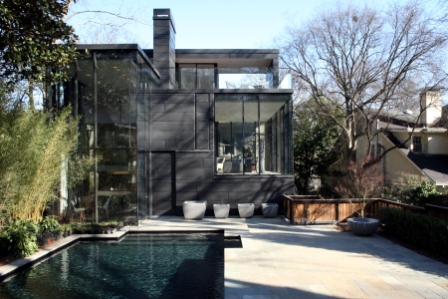
Zinc panels are an attractive option with many advantages
The strength and benefits of zinc wall panels over coated metal walls are numerous. Flexibility is one advantage; the material bends and curves as needed, making its design possibilities endless.
Zinc’s texture has a depth and richness lacking from what you have with painted metal walls. Additionally, zinc naturally develops a protective patina that prevents it from changing very little over time and allows it to withstand many harsh elements. Patinas redevelop or “self-heal” any imperfections to minimize ongoing maintenance needs.
A good solution
In addition to natural zinc, which has a shiny, metallic polish that changes over time as a natural, semimatte, light grey patina is formed. Preweathered zinc comes in a variety of colors that are suitable for use for any wall. There is a rich, charcoal black with a velvety look, as well as red, green, blue and brown zinc. The four latter offerings contain mineral pigments to produce an eye-catching palette of possibilities while preserving zinc’s natural texture and ability to develop a protective patina, making the color last longer than any painted metal. Their natural texture and colors constantly change with the light and blend well with other materials. This design flexibility and harmony with adjacent materials makes the metal aesthetically blend well with wood, brick and glass.
 |
Architectural zinc is a sustainable and long lasting building material. Depending on its application, proper installation and location, zinc can typically outlast the building substrate. Additionally, zinc is 100 percent recyclable at the end of its useful life, which adds significantly to its sustainability. More builders now use zinc due to its green properties, particularly since some municipalities have banned the use of copper based on concerns about its environmental effects. For example, the city of Oakland, Calif., has phased out the use of copper, even in interiors, to protect nearby marine life from its potentially harmful runoff when mixed with rainwater that flows into nearby soil and water sources and possibly contaminates it.
Zinc costs less than copper for use in metal walls, but more than aluminum. However, aluminum tends to have a shorter life span than zinc, meaning it will need to be replaced earlier, and therefore likely will end up costing more, as it is bought twice while zinc is a one-time-only purchase for a generation.
Regarding installation time, more zinc systems come as complete, out-of-the-box sets. The panels and fasteners are shipped together, meaning that installers have all of the materials for installation on hand in one shipment.
Applications and installation
There are a variety of application techniques that provide different options for the ways in which zinc wall panels can be installed, all depending on the type of aesthetic and technical solutions that the owner or builder have designed for the building. Many panels can typically be installed more quickly and easily than other metal wall materials that are composed of many smaller parts.
As zinc panels are being installed, installers should always wear gloves and long-sleeved shirts as they handle the zinc. Because perspiration has acidic qualities, it can leave marks on the zinc’s surface that will heal over time, but that will remain visible for some time and potentially have an adverse effect on the zinc’s appearance immediately after installation.
Although zinc may not be seen as a traditional solution or option for residential building materials, it should because of its easy installation, sustainability, durability and aesthetics. It is gaining popularity as a great resource for residential building projects. Easily incorporated into any design, either as an accent or as the main feature of the home, it is a wonderful option for both interior and exterior façades, and can be used not only as wall paneling, but also as a roofing solution and for countertops.
While zinc is often compared to other metals that have been used more traditionally in design and building, its cost and durability make it a better option than the other metals typically used. Additionally, zinc is an excellent solution for buildings that incorporate other building materials, since zinc works well with nearly all other materials and building products. Where some metals will have negative and harmful reactions when used in close proximity to others, zinc works well with everything from wood to glass to most other metals.
Chandra Hester is a marketing assistant at Umicore Building Products USA Inc., Raleigh, N.C. For more information, visit www.vmzinc-us.com[1].
- www.vmzinc-us.com: http://www.vmzinc-us.com
Source URL: https://www.metalconstructionnews.com/articles/the-power-of-zinc/