Zinc—A Great Green Fit for Roofs and Walls
by Jonathan McGaha | 4 January 2015 12:00 am
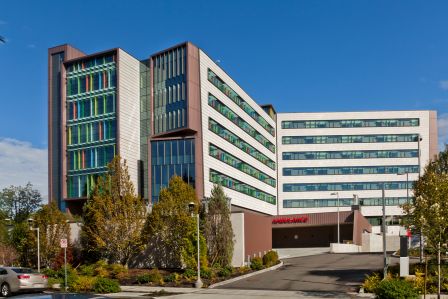
Zinc offers multiple benefits including green features
For easy installation of a distinctive roof or wall for any type of construction, zinc is the perfect answer, offering multiple benefits including enduring green features. Using zinc capitalizes on the 24th most abundant natural element in the earth’s crust while providing mechanical and aesthetic flexibility, malleability, luminosity and versatility for any project.
As it lasts for decades while needing little to no maintenance and is 100 percent recyclable, zinc combines durable and sustainable building practices. This makes it appealing to business and residential owners, along with general contractors and other installers who seek quality long-term construction.
Zinc performs the basic duties expected of any quality metal used for any building-keeping harmful elements out, safely protecting what is housed within the unit-and exceeds them by offering many other attributes. Here are some main reasons why zinc is an exceptional material to use in construction.
The assets of zinc
For a sleek appearance on a roof or wall, zinc is hard to beat. The ability to interact well with most materials such as wood, brick and glass is one of zinc’s strong characteristics. Along the same lines, zinc has the capacity to blend with or even highlight other materials, and to heighten their minerality, natural aspect or industrial dimension.
Zinc itself is naturally smooth and shiny when it comes out of the mill. It is available in preweathered and colored versions, including red, blue, green and brown, that add to the visual versatility.
As it is incredibly lightweight but strong, zinc is quite malleable for any builder. A 30-foot zinc panel can form to a gradual radius without the panel needing to be pre-curved using any metal tools or machinery.
When it comes to maintenance, zinc naturally develops a protective patina that increases its life span as well as allows it to withstand harsh elements over decades. This process makes zinc low maintenance over the years, as zinc redevelops or “self heals” any imperfections thanks to the patina.
Officially called zinc hydroxyl-carbonate, this patina blocks moisture and chemicals from penetrating it. If that protective layer is ever scratched, the hydroxyl-carbonate will reform over time (typically taking two to five years, depending on the climate), making zinc naturally resistant to corrosion.
Installation advantages
Zinc is a strong natural metal to consider for roofs suitable for all roof pitches above 5 percent. It is particularly popular in façade applications as an extension of the building envelope from the roof down to the walls. Zinc is ideal for use in rainscreen cladding with a ventilated air space for sustainable performance.
No matter the specifications, zinc can be easily incorporated into any design, either as an accent or as the main feature of any project. Its adaptability and compatibility with other materials makes it an attractive option for both interior and exterior façades.
 Eco-friendly uses
For projects seeking LEED certification, using zinc as a building material can contribute to achieving points in the grading system. This is because the material is fully recyclable, from construction scrap to end of use, which lowers the energy required for manufacturing.
Furthermore, as a naturally occurring element, zinc needs relatively little energy to convert it into usable materials. The energy required to produce zinc from ore is a quarter of that of aluminum and half that of copper and steel.
Coupling its green features with little repair work required and abundant availability, zinc is a flawless solution to most building needs. Its stylish yet clean, classical and authentic appearance, longevity and ability to interact well with other metals are unparalleled by any other materials to be considered for walls and roofing.
Daniel Nicely is managing director at Raleigh, N.C.-based VMZINC-US and Umicore Building Products USA Inc. For more information, visit www.vmzinc-us.com[1].
- www.vmzinc-us.com: http://www.vmzinc-us.com
Source URL: https://www.metalconstructionnews.com/articles/zinc-a-great-green-fit-for-roofs-and-walls/