Metal roofing is a subject that can include a myriad amount of information, covering a multitude of issues. But for the smart roofing and general contractor, there are certain basics that should be reviewed from time to time. This article will update the initiated, as well as the uninitiated, on a few important considerations.
For purposes of clarity, the following roofing information focuses on self-storage roofing, but in many cases, it translates to other commercial or residential roofing projects as well. Here are three areas that should be routinely examined:
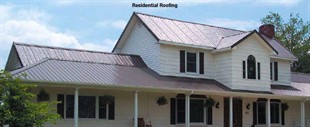 Metal Roof Panel Types
There are two types of roof panels offered in the self-storage building industry-standing seam and screw down.
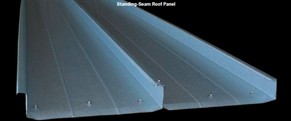
Standing-seam roofs are designed to work with a clip system, which allows for expansion and contraction of the roof surface. The concealed roof clip system has no fasteners to penetrate the flat of the roof panel. Standing-seam roof systems are usually the roof of choice in today’s metal building market. There are primarily two systems available:
- 16-inch flat panel with a 2- or 3-inch vertical rib.
- 18- or 24-inch semi-corrugated panel with a trapezoidal 3-inch standing-seam rib.
Both standing-seam roof panels are offered in 22- or 24-gauge and can be applied on a 1/4:12 roof slope. They are made of a Galvalume, carry a 25-year warranty, and can be installed over open structural framing or solid surfaces.
Screw-down roofs are the most economical and were the very first used in the metal building industry. As the term implies, the roof panels are screwed directly to the sub-structure. This panel usually has a low rib profile and is primarily offered in a 26-gauge Galvalume material with a 3-foot panel width and available painted or unpainted. Screw-door roofs can work on roof pitches as shallow as 1:12.
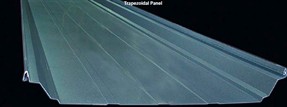 This panel can be a good choice for those looking for economy. The screw down roof does not allow for expansion or contraction movement of the roof surface. Therefore, it may require certain amounts of continued maintenance.
There are two types of sloped roofs: steep slope and low slope.
Steep-slope roof buildings are primarily designed to expose a painted roof system for aesthetic purposes. They are also designed to accommodate faster water runoff, such as with a screw down roof system. Roof pitch is usually 4:12 or better.
Low-slope roof buildings are designed more for efficiency, especially in climate-controlled buildings. Low-slope buildings require the structural standing-seam roof system. Roof pitch is usually 1/2:12 or 1/4:12.
Roof Installation
A manufacturer can make the very best roof system possible, but ultimately, its successful installation relies on the installer. After deciding on the roof system of your choice, it is critical that you find the right installer to put the system together in the field.
As a rule, installer crews fall into two categories:
- Crews that erect a variety of roofing systems.
- Crews that erect a single brand of roof panel.
Certainly, the majority of installers are familiar with roof installation techniques, therefore, conventional wisdom would say a crew that has a variety of experience erecting different roof panels would be more valuable because of their versatility. In this case, conventional wisdom would be wrong.
 The better crew is the one that installs a single brand of roof panels to fit a single building system. The reason? Familiarity. Every metal building is designed and manufactured differently and requires different component parts to be assembled. The crew that is familiar with erecting the same building components on a regular basis can hit the ground running without constantly reviewing parts lists and plans to understand which items go where, how they fit together, and how they are attached.
Therefore, a crew that has been through a specific manufacturer’s certified training program is obviously the better choice. There are a lot of independent roofing installers available that have good reputations for workmanship and professionalism. But, as good as they are, it is very important that they be very familiar with the roof system you specify and choose.
The bottom line is this. Understand what services are provided by the manufacturer. Certified installers that have been factory-trained and work exclusively for the manufacturer would obviously be the proper choice.
The Value of Warranties
Warranty is a subject that ties it all together. Look for the best quality and you will find the best warranties. After you have chosen your roof system, manufacturer, and installer, it is time to look at warranties. Quality roof system warranties should be at least 25 years with pre-painted panels of 40 years. Expect labor to be 10 years by manufacturer certified installers. If a manufacturer does not have substantial warranties, it means it cannot stand behind their products.
Britt Skrivanek is an independent regional sales representative for BETCO Inc., a single-source manufacturer of self-storage buildings and components and owner of Specialty Products & Services Inc. of Nashville, Tenn. To learn more, visit www.betcoinc.com.