Key areas to look at when specifying or buying a snow retention system
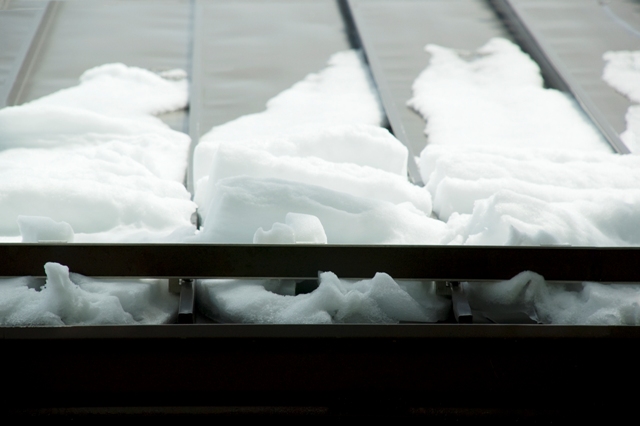
 While snow retention may have once seemed like a challenging problem, today it has become more science than guesswork. The number one reason for installing roof-mounted snow retention products is to provide an increased level of safety to people and property on the ground below the roof. Snow and ice sliding off a roof causes injuries and property damage, so it only makes sense to install a system that is engineered for the specific roof condition and gives you the confidence it will actually work when the snow begins to fall. In addition, architects and building owners alike prefer snow retention systems that are architecturally pleasing and do not detract from the buildings appearance.
Product quality and testing are paramount in choosing a source to use. There is nothing worse than having to spend money on a second snow retention system to replace the first failed snow retention system that did not do the job or worse yet caused injury or damage. The old adage “you get what you pay for” certainly seems to apply here.
Here are some key areas to look for when specifying or buying a snow retention system:
• Engineered for the project location and building specifications
• Mechanically attached to the roof
• Load tested for the specific roof system being used
• Color matched to the roof panels with a long-life coating
• Warrantied for the life of the roof system
Roofing contractors and general contractors often know they need some sort of snow retention, but find it challenging to select the best system. The amount of snowfall expected in a particular area affects the selection of a snow retention system. Some systems simply will not stand up in areas where there are heavy and frequent snowstorms.
While many standing seam metal roofing panels appear to be the same, the slightest difference in the seam influences the clamp that should be used to secure any snow retention system. The manufacturer will know what snow retention systems have been tested for their standing seam metal roofing systems. A snow retention system backed by testing is the best way to ensure you’re doing what’s right for your customer.
Today’s PVDF paint systems used on metal panels are coil coated and oven cured. This is the only finish application method that can be warranted against color fade for 30 years or longer. If you have a PVDF color roof system it would make sense to choose a snow retention system that allows you to color match the roof by using the same painted metal roof material in the snow retention design. Choosing inexpensive plastic materials that will yellow over time and fail to adhere to the roof, may save money on the front end, but will cost you more money when you have to replace them in the long run.
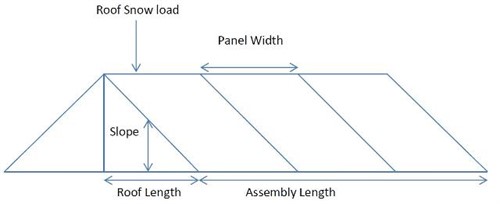
Another thing to consider is how the snow retention system attaches to your roof. Is it by glued-on adhesives that have a narrow allowable temperature range during installation? Or is it a system that is mechanically attached to the seams without penetrating the panel? Has the snow retention supplier detailed the appropriate amount of rows of snow retention needed specifically for your roof pitch, eave-to- ridge dimension, panel width and your project area’s pounds per square foot roof snow load design requirements? These are all important factors to consider before purchasing a snow retention system.
Here is a list of information needed when requesting a quote on a snow retention system to keep in mind:
• Roof panel manufacturer and type
• Seam spacing and height
• Eave to ridge dimension
• Roof slope
• Local codes or roof snow load design per square foot (not ground snow)
• Total lineal footage of snow retention (provide roof plan if available)
Nathan Plaxco is sales and marketing manager of Design Components Inc., Fayetteville, Ga. Design Components is a national distributor of metal building components, including doors and windows, canopies, pipe and roof flashing, roof curbs and hatches, skylights and smoke vents, ventilation products, ladders, METALWALK and S-5! Snow Retention Systems. To learn more, visit www.designcomponents.com and www.metalwalk.com.