Engineering innovations such as composite metal wall panels consistently rank at the top of the list of favorite building materials, and with good reason. However, professionals across the construction industry rely on material manufacturers to help them navigate safety concerns.
MCMs have many positive features
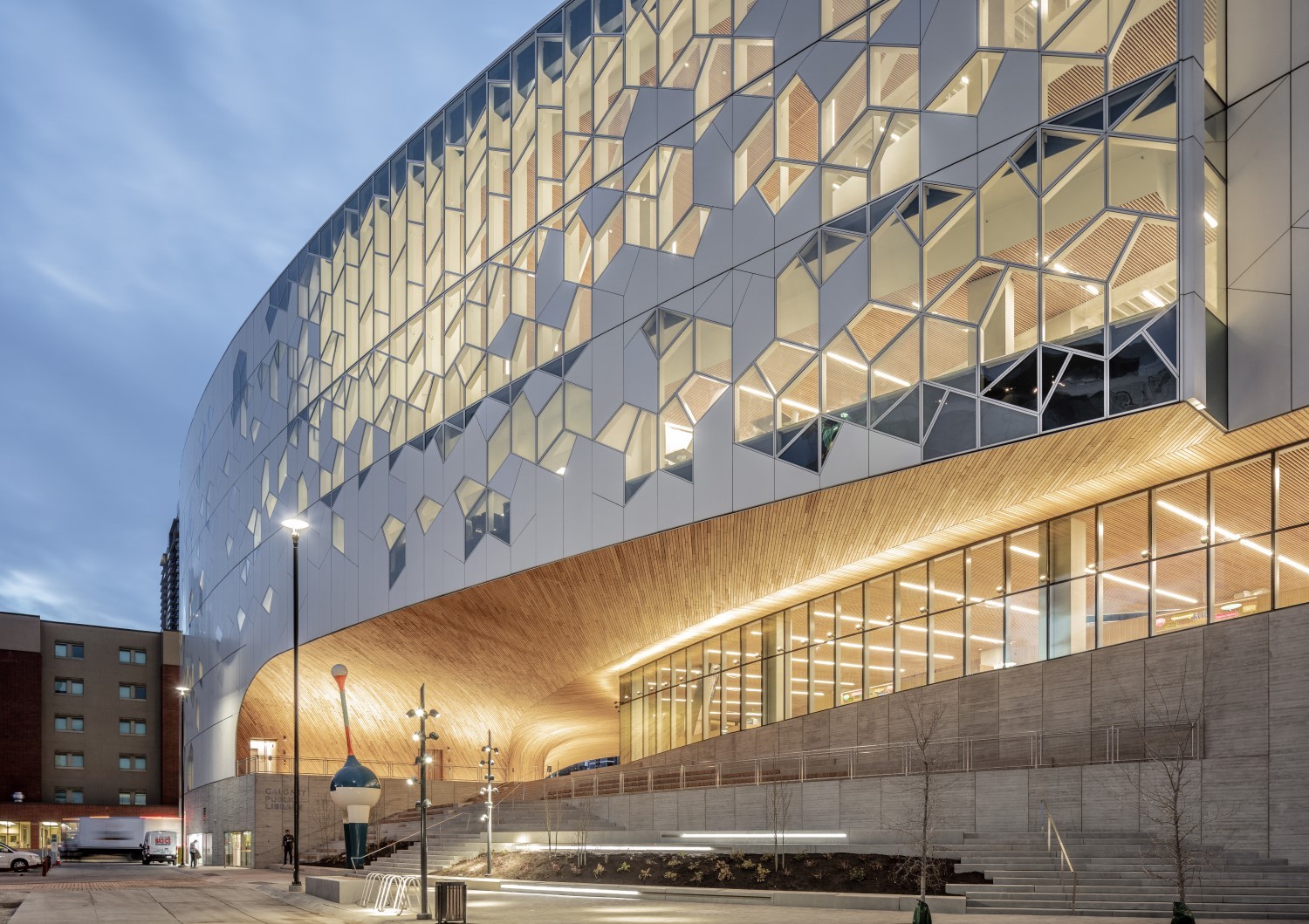
Building codes can be intimidating. In particular I get a lot of questions about fire safety. Our latest AIA CE presentation on building code fire requirements has been wildly popular. Many are just not familiar with the required testing that makes multistory wall assemblies featuring composite cladding code compliant.
What is MCM?
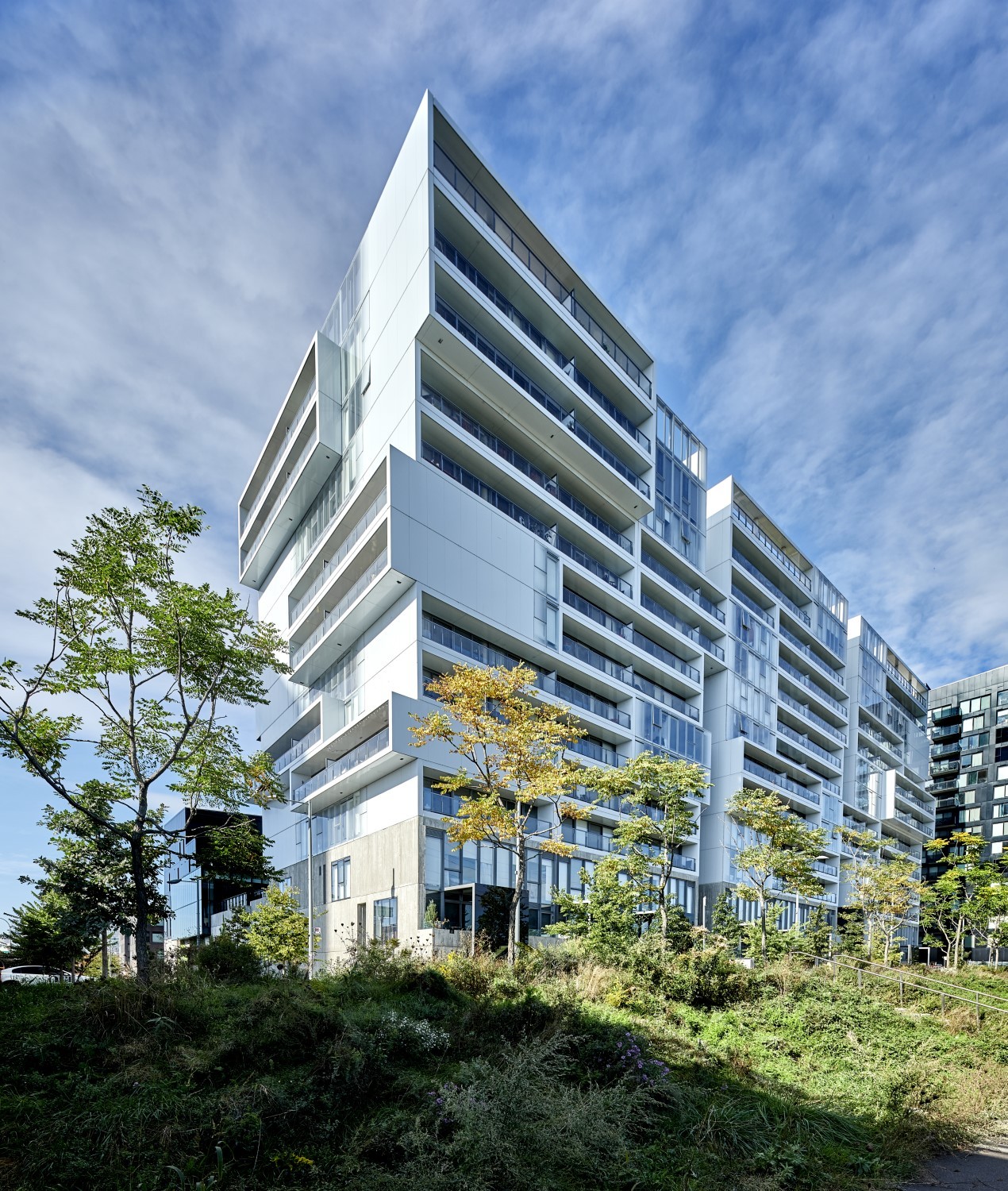
Used on details and entire building envelopes, metal composite material (MCM) is valued for its versatility. Sustainable, easy to fabricate and install, available in nearly limitless colors and finishes, these innovative materials can make complex visions come to life. MCM is produced by bonding thin sheets of metal to either side of a thermoplastic core with heat and pressure.
It provides the rigidity of plate metal without the weight, or the distortion commonly referred to as oil canning. Typically made with painted or treated aluminum, also known as ACM, MCM is also produced with zinc, copper, stainless steel and titanium, often referred to as natural metals. The thermoplastic core can be a traditional polyethylene (PE) or fire-resistant (FR).
PE and FR Cores
The different cores provide the same variety of attractive finishes, structural performance benefits and are rated Class A. Visually a glossy black, PE core is about two-thirds the weight of FR, often a lighter gray color. PE has been used for decades and is still the preference for applications like signage and quick-service restaurants, but only FR is used to pass testing required of buildings several stories in height.
FR material has been used as a component in a variety of wall assemblies that have successfully passed full-scale wall test like the American NFPA 285 and the Canadian ULC-S134. For this reason, FR core material is recommended when applied over 40 foot from grade.
NFPA 285 and ULC-S134
When you review the code, the ICC and NBC require any MCM wall assembly systems to pass the NFPA 285 or S134 respectively. Both the U.S. and Canada have similar full-scale wall assembly tests. However, it is important to understand that these different national systems are not compatible with, nor interchangeable with, each other.
In the United States, the ICC uses the NFPA 285, a multistory test procedure, requiring a two-story wall to be built in the test lab and is a test of the entire wall assembly—from inside air to outside air. The basic purpose is to ensure that a fire can’t leapfrog up the building skin, re-entering the building at a higher point than the floor where it originated.
In Canada, the NBC also uses the ULC S134 assembly test, though it should not be considered a stand-in for expected performance in all real-world fire conditions. Limited to the exterior wall alone the focus is on flame spread and temperature, with heat flux measured using three sensors on the wall.
A single component can be responsible for a failed wall assembly test. That’s why responsible manufacturers have tested, and continue to test, a variety of wall configurations as the need arises. We’ve performed successful NFPA 285 and ULC S134 tests with a variety of air/water barriers, insulation materials and even composites faced with different metals than aluminum, such as copper-skinned metal composite materials.
Industry Standards
Keep in mind, the test evolves over the years. The standards are developed, reviewed and updated by independent non-profit organizations focused on all aspects of safety in North America. I recommend asking for a test that meets current requirements.
Build safety is critical for all facets of the design-build community. Follow the code. When you’re writing a spec or designing a wall, make sure your materials and wall assembly have up-to-date testing. Don’t accept anything less than strict code compliance. Choosing the right material is a necessity for code compliance and critical for safety. Request the most up-to-date testing reports and ask questions. We want to ;help design-build professionals find the best solution for their needs.
Michael Bowie is the technical support specialist at ALPOLIC Materials–Mitsubishi Chemical America, Chesapeake, Va. To learn more about how MCM can fit into your next project, visit www.alpolic-americas.com.