This month we wrap up our discussion of pitfalls and challenges related to metal composite material
 |
(MCM) specifications and contract documents. It is not uncommon to see MCM specifications that result in unnecessary cost impacts or are in direct conflict with something in the next section. The following issues are seen on a regular basis by MCM contractors when bidding projects and should be avoided by the design/ construction team.
Using Manufacturer’s Generic Details
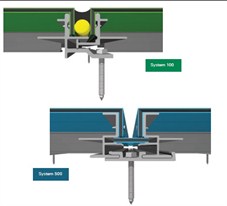
Downloading MCM system details from manufacturer’s websites to use on contract drawings should be avoided since these details are generally generic in nature. Ideally, system details should come from your regionally based fabricators because attachment systems can be very specific and are often only regionally available. For example, in the Southeast, fabricators typically do not offer rout and return dry joint attachment systems but offer drained and back-ventilated rainscreen attachment systems.
Specifying One Type Of Attachment System, Drawing Another
It is very common to see one type of attachment system listed in the specifications, but another type detailed on the drawings. MCM contractors are then left in the unfortunate position of having to guess the design team’s intent, which can cause conflicts and price impacts later in the project.
Listing Air/Water Infiltration Criteria, But Specifying A Rainscreen Attachment System
Systems requiring air/water infiltration criteria are typically caulked, wet seal systems that prevent infiltration into the panel system. A rainscreen system, by design, allows water and air infiltration. Listing testing criteria that’s applicable only to sealed joinery systems is confusing and problematic.
Using An Editable Specification, But Not Editing It
Every so often MCM contractors will see the ultimate in vagueness: the design team specifies a rainscreen and a sealed attachment system, a fire retardant core and a polyethylene core, 6-mm and 4-mm thickness, standard and custom color, a twocoat mica finish and a three-coat metallic finish. When this occurs, it is simply not possible for the general contractor to conduct an apples-to-apples comparison of MCM subcontractor pricing.
As you can see, bidding a MCM project can be very difficult if the contract documents are unclear, ambiguous, or have conflicting information. Poor specifications and contract documents can have significant cost impacts after a project is awarded and under construction. Taking the time to prepare well-written MCM specifications and contract documents can help achieve a successful, profitable project.
Zeke Miller is the president and sales manager at The Miller-Clapperton Partnership Inc. in Austell, Ga. For more information, visit www.millerclapperton.com.