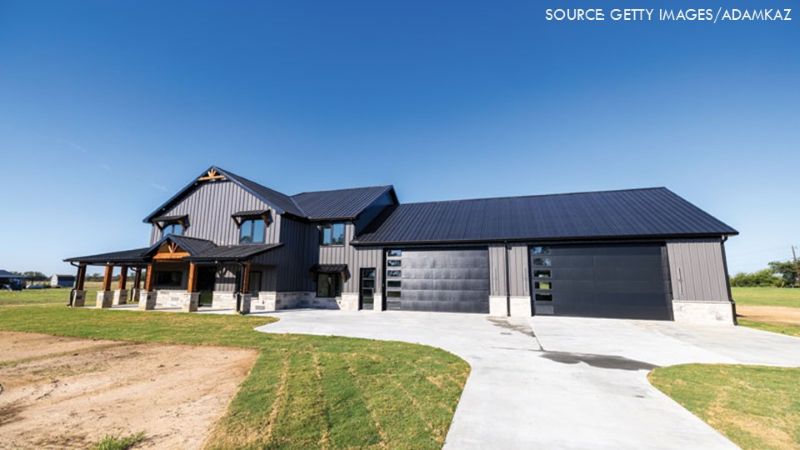
I got pulled into the barndominium world through the marketing and sales of a company that sells kits. At first, I thought the category would be mostly about plans, kits, and renderings.
But after looking at thousands of buyer conversations, it became obvious that the real problem was more practical: people were trying to figure out who could actually help them build.
The same questions kept coming up. Do I first need land? Can I finance this? Is this turnkey? Who frames the shell? Can my local contractor work with this? What does a “barndominium kit” include? Sounds simple, but questions like these decide whether a buyer moves forward or stalls out.
The problem wasn’t a lack of interest in barndos. It was a disconnect between buyers who didn’t understand the process and builders who assumed they did.
This changed how I saw the barndo market. The opportunity for metal builders is not just from selling a building package but from helping buyers understand the path from idea to land, plans, shell, contractor, financing, and finished home.
Buyers can find inspiration everywhere, but when they search for “barndominium builders near me,” the results are often messy: kit companies, general contractors, steel building suppliers, shed dealers, paid lead forms, and pages that do not clearly show barndominium experience.
Closing that gap began with understanding buyers, which ultimately led to the launch of BarndoBuilderList.com—an independent directory of builders whose websites provide visible signals (evidence) of barndominium or related construction experience.
Viewed across thousands of buyer conversations, recurring questions and frustrations become unmistakable. Those patterns offer valuable lessons for any contractor hoping to attract more—and better-qualified—customers.
The gap between inspiration and construction
The market is maturing past inspiration. In the more than 2,000 buyer conversations I’ve reviewed, the same themes appear repeatedly, clustered around five practical topics:
- Plans and design (35%)
- Land/site readiness (28%)
- Kit or material scope (24%)
- Price (23%)
- Timeline (21%)
Buyers struggle when they cannot tell what a builder actually does, where the builder works, whether barndos are a real part of the builder’s business, and what the first step should be. They want to know what the process actually looks like.
Homeowners are looking for answers to a handful of basic questions: Will you call me back? Can you show me finished work? Will the price change? Who handles the slab, shell, MEP, and finish-out? What happens if the schedule slips?
The builder who answers these questions before the first call has an advantage. For metal construction companies, that matters. The easiest entry point is often not convincing people that metal or post-frame buildings are useful. It is showing homeowners that the same building expertise can be applied to a residence, a shop with living quarters, or a family property in a way that fits local codes and expectations.
Common mistakes that barndo builders make
The first mistake builders make is assuming buyers already understand the process. Most do not. In buyer conversations, questions about plans, land, materials, cost, and timeline come up over and over. Builders should expect those questions and answer them plainly on their website.
The second mistake is burying the proof. A builder may have completed barndos, shops, and metal buildings, but if those projects are hidden on Facebook or shown in a gallery without captions, the website does not create much search or buyer confidence.
The third mistake is using vague category language. “General contractor” is not enough. If you build post-frame homes, say that. If you build metal building shells, say so. If you only do the shell and not the interior finish-out, say that too.
The fourth mistake is treating local SEO like a trick. Google’s guidance is straightforward: keep business information complete and accurate, verify the Business Profile, respond to reviews, add photos and videos, and build prominence through real-world signals like links and reviews. This is not a hack. It is basic credibility.
Photos, completed projects, and customer reviews are important because buyers don’t want to make a high-stakes decision with incomplete information. A barndo is not a small purchase. The buyer wants evidence before they call.
The information that homeowners want
The market is still fragmented because, depending on who is speaking, “barndominium” can mean several different things. To one buyer, it means a metal-sided custom home. To another, it means a shop with living quarters. To another, it means a kit. To a builder, it may mean post-frame, red iron, stick-built with metal siding, or a hybrid.
Buyers want to know six things before they contact a builder:
- Do you actually build barndominiums or just general buildings?
- What area do you serve?
- Do you build turnkey, shell-only, or something in between?
- Can you show completed projects like the one I want?
- What affects price?
- What is the next step?
These questions should be answered on the website before the buyer ever fills out a form.
A lot of builders want more leads, but the true goal should be better-fit leads. Clear information attracts the right buyers and screens out the wrong ones. That saves the builder time and makes the buyer feel more confident.
The strongest builders tend to make their barndominium experience visible. They have dedicated pages, clear project photos, service area language, and reviews that mention the things buyers care about: communication, schedule, craftsmanship, project management, and pricing clarity.
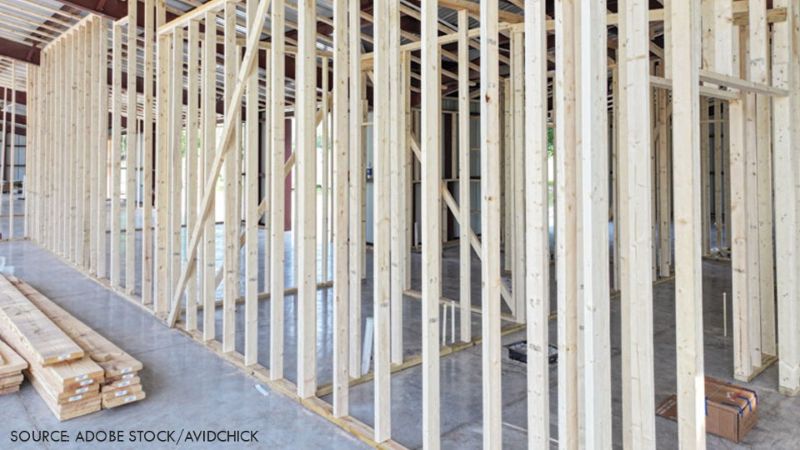
The market rewards proof and clarity more than polish. A simple website with real projects and plain answers can outperform a prettier site that leaves the buyer guessing.
Visibility online starts with clarity
My advice is simple: be findable, be specific, and be provable. If you build barndominiums in central Oklahoma, say that. If you build post-frame shells in East Texas, say that. For AEO (answer engine optimization), the best content does not involve keyword stuffing or AI tricks. It is first-hand project evidence: real photos, service areas, project types, scope boundaries, process explanations, reviews, and FAQs based on the questions buyers actually ask.
The best project photos are not just pretty. They are labeled: location, building type, shell or turnkey, square footage if available, exterior material, roof style, shop/living split, and what the builder handled. That turns a photo into proof.
The most useful builder websites usually have a “How our process works” page that covers service area, project types, land and site prerequisites, design/plans, engineering, foundation, shell, interior finish-out, timeline, and how estimates work. It does not need to be fancy. It needs to be specific.
Builders need their websites to clearly say, “Here is what we build, here is where we build, here is what we handle, and here is what you need before calling us”. That kind of clarity does not reduce leads as much as some builders fear. It improves lead quality.
The industry would benefit from more standardized language around shell packages, dry-in scope, turnkey scope, owner-builder paths, engineering, foundation responsibility, and finish-out. A lot of buyer frustration comes from two companies using the same words to mean different things.
That tells me the category has not fully settled into one professional lane. Some companies are true barndominium specialists. Some are custom home builders that have added barndos. Some are metal or post-frame builders moving toward residential. Some are shop, garage, or agricultural-building companies that occasionally handle living-space projects or shells.
For metal construction contractors, this is an opportunity. The demand exists, but buyers need contractors who can translate metal building competence into a residential process.
That is why specialization needs to be explicit. If a builder wants barndo leads, they should not assume buyers will connect the dots from “metal buildings” or “general contractor”. They should show the specific project type, explain the residential scope, and clarify what parts of the build they handle.
The builders who do that are easier to find, easier to trust, and easier for a directory to classify accurately.
Putting it into practice
Start with scope, not marketing. Decide what part of the barndominium project you can responsibly handle.
Are you building shells? Are you acting as the general contractor? Are you doing metal building erection only? Can you work with owner-builders? Can you coordinate foundation, framing, windows, doors, roof, siding, insulation, and dry-in? Are you prepared for residential code, financing expectations, plan revisions, and homeowner-level communication?
Once that is clear, create a barndominium page that explains your exact role. Include the project types you want, the regions you serve, what you do and do not include, what buyers need before calling, and photos of relevant work.
Make the business legible to Google and to buyers. Google says complete and accurate business information helps local search visibility. The Maps listing and the website should agree: same name, phone, service area, project types, and scope.
Then build or improve one website page around the real service: “barndominium builder in [region]”, “post-frame barndominium shells”, “metal building homes”, or whatever is accurate. The page should include completed projects, scope, service area, process, FAQs, and a clear next step.
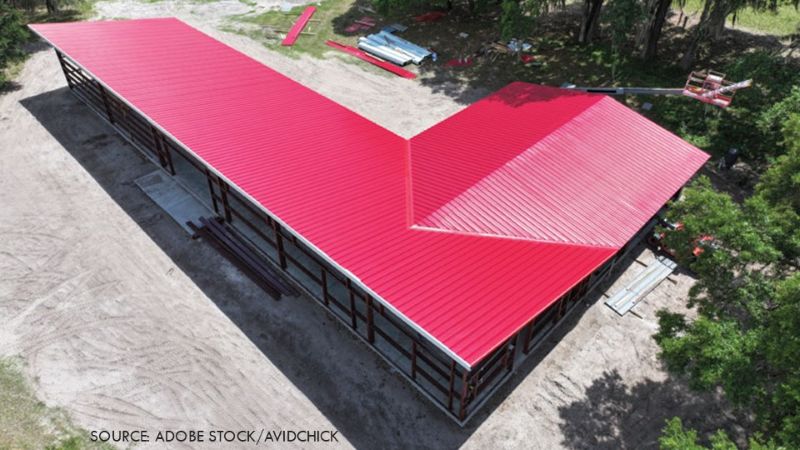
For AI and answer engines, do not chase gimmicks. Google’s generative AI search guidance says the fundamentals still matter: crawlable pages, clear technical structure, unique expert content, helpful organization, and high-quality images or video. A real project page with specific details is better than 20 generic blog posts.
Finally, ask satisfied customers for honest reviews and respond to them. BrightLocal’s 2026 survey found 97% of consumers read reviews online when evaluating businesses. That is too important to leave unmanaged.
Make the process visible
Successful barndominium builders make the invisible parts of the project visible.
Most buyers can see the finished exterior. What they cannot see is the process: how the builder prices, what the builder includes, how site work is handled, who manages subs, what happens after dry-in, how changes are handled, and what the buyer needs before an estimate.
Successful builders explain those things before the first call. They show completed projects, but they also explain the path. They do not hide behind vague language like “custom solutions”. They say what they build, where they build it, and how the process works.
In a fragmented market, clarity is a competitive advantage. The builder who explains the process wins trust before the buyer ever picks up the phone.
Austin Hardcastle earned a Bachelor of Engineering from Vanderbilt University and is CEO of HomeTeam Technology, which develops custom technology solutions for small businesses and franchise networks. He is also founder of BarndoBuilderList.com, an independent directory of barndominium builders.