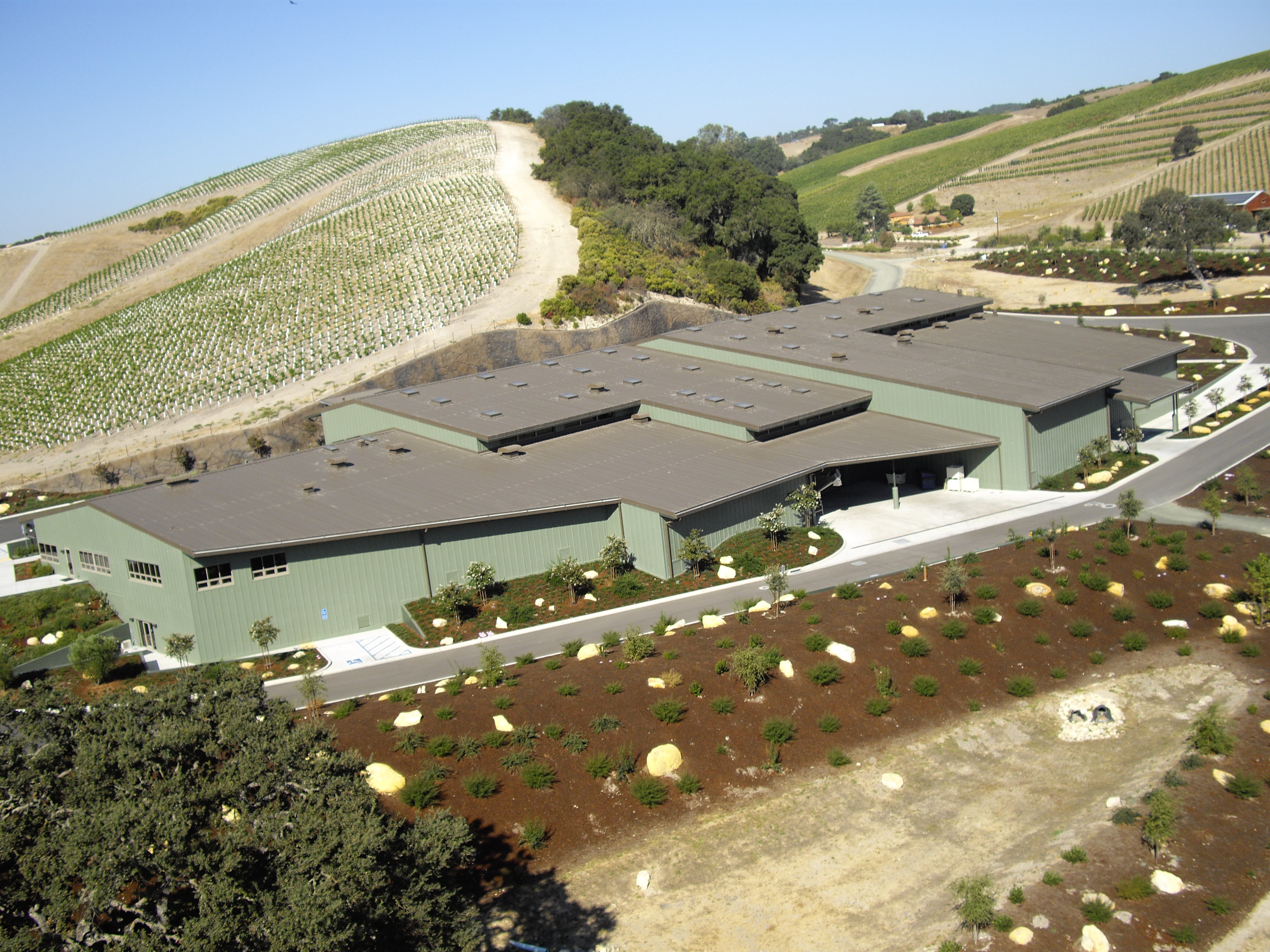
Contrary to conventional building materials, metal building systems offer a more sustainable choice for construction and the option to recycle materials at the end of a building’s usable life.
Metal building systems are green by design
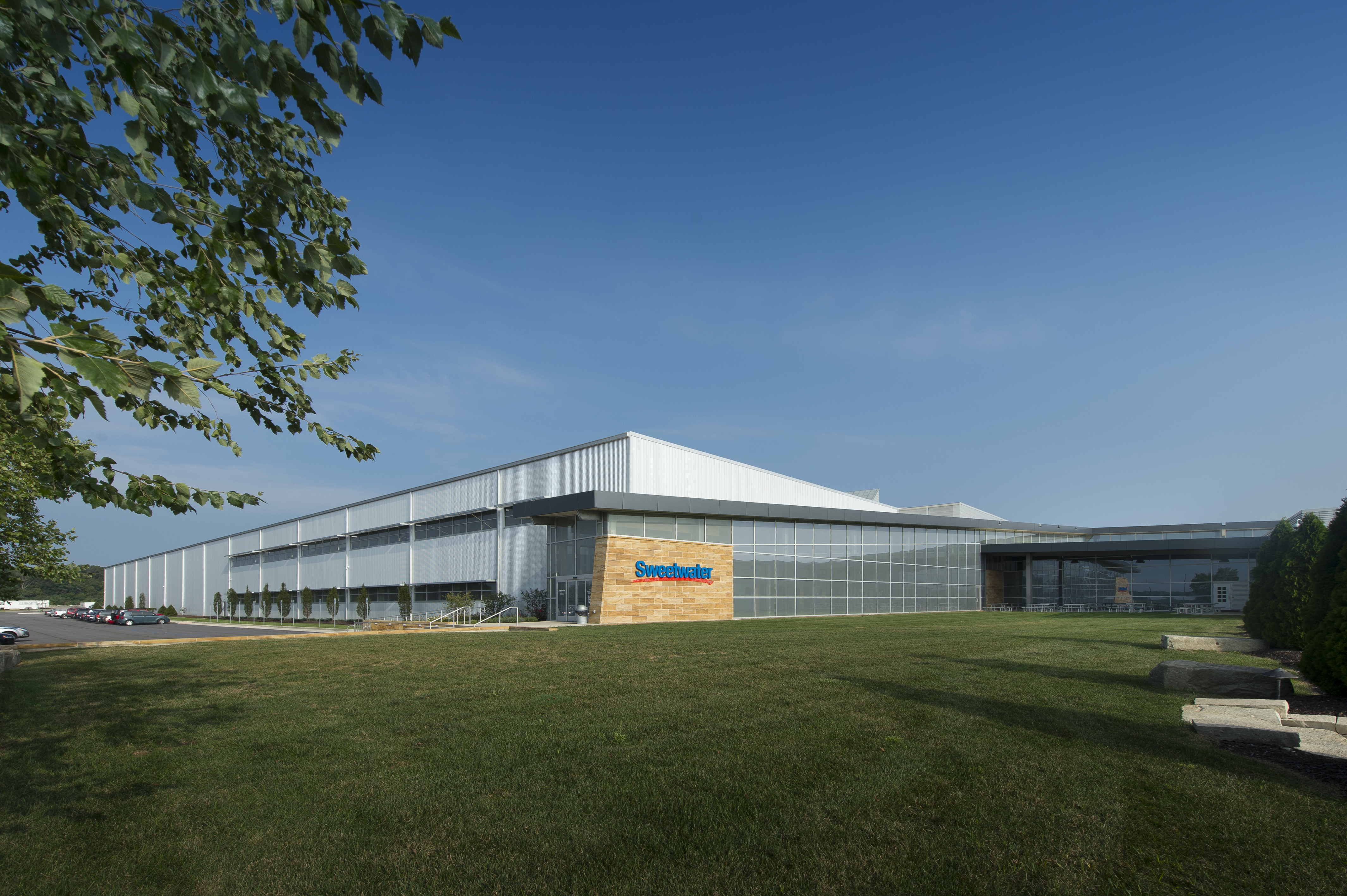
As more and more companies are choosing to consciously build with practices that meet today’s needs without compromising future generations’ needs, building with steel is becoming increasing desirable for customers across many markets and industries.
Sustainability
By definition, sustainability means the ability to be maintained at a certain rate or level, or the avoidance of the depletion of natural resources in order to maintain an ecological balance. Choosing products throughout construction that are good for the environment are increasingly top of mind for customers throughout the country, becoming essential for modern society. When customers are considering the carbon footprint of their project, building with steel meets their needs. So much so that winning the job can be influenced by helping customers see the opportunities metal buildings offer to reduce their project’s total carbon footprint.
Building with steel is also sustainable from a construction perspective, as most of the fabrication and assembly is off-site and reduces construction equipment emissions, on-site labor and construction waste. In addition, leftover material in steel construction is recyclable, rather than job-site waste making its way to landfills in conventional building materials.
Recyclability
Metal building systems are one of the most environmentally friendly options available on the market. As a product, metal buildings are environmentally friendly as they are made from recycled steel. In addition, they produce a low carbon footprint—the total greenhouse gas emissions caused by a particular person, group, etc. In the current environment, as many customers are pledging to be carbon neutral by 2030, choosing a metal building supplier that commits to reduce greenhouse gas emissions can put you in alignment with a prospective client.
During the bidding or building award process, potential customers are increasingly inquiring about what happens to a building if it were to be torn down at the end of its usable life. Metal buildings are 100% recyclable—likely ending right back at a steel mill and recycled into new steel products, including new cars, appliances, buildings and bridges. In fact, as there is no limit to the amount of times steel may be recycled. Most metal buildings contain a high content of recycled steel and are made with steel on its second or third life cycle, without losing its strength and durability.
LEED and EPDs
Customers are continually requiring green building points, such as USGBC’s LEED certification, which steel buildings can meet. Metal buildings offer countless opportunities to incorporate features such as green roofs, solar heating, insulation systems, as well as wall and roof panel systems that utilize cool color coatings, which all help contribute to LEED points. Furthermore, potential customers will expect to see environmental product declarations (EPDs) for products utilized in their projects. Selecting a metal building supplier that understands these unique elements of green buildings is essential.
With the fate of future generations in our hands, modern society is working toward reducing its carbon footprint and the amount of toxins released into the environment. In fact, more and more corporations are pledging to be carbon neutral by 2030 and eliminating production of products with negative environmental impacts by 2025. These potential customers will require the same levels of commitment from their suppliers and partners when expanding or building new construction. Choosing your partner in a metal building supplier can make all the difference in meeting your customers’ needs for a sustainable future.
Kimberly Imm is a marketing specialist at Nucor Building Systems, Waterloo, Ind. To learn more, visit www.nucorbuildingsystems.com.