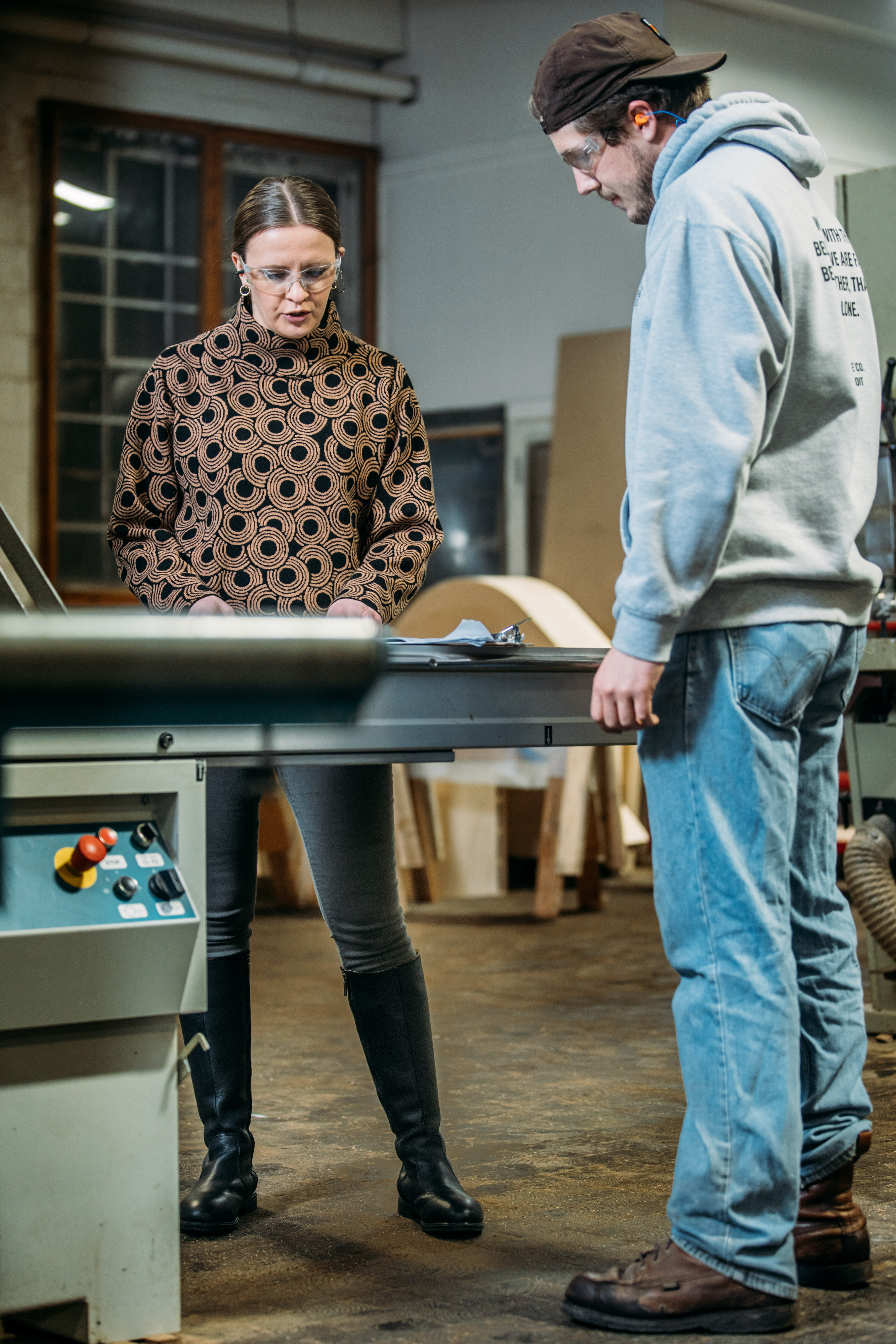
Ill-fitting gear no longer has to be an accepted part of working in the trades. While there are still many industries and PPE manufacturers who consider the male body as the default when it comes to fit and design, there has been a slow shift to develop PPE and apparel for the growing number of women in the workforce, especially those in STEM and the trades. In many cases, women working in non-traditional professions were frustrated by the lack of properly fitting PPE and decided to take matters into their own hands, launching companies with a focus on proper PPE fit for women’s bodies across various industries.
Importance of properly fitting PPE for women from head to (steel) toe
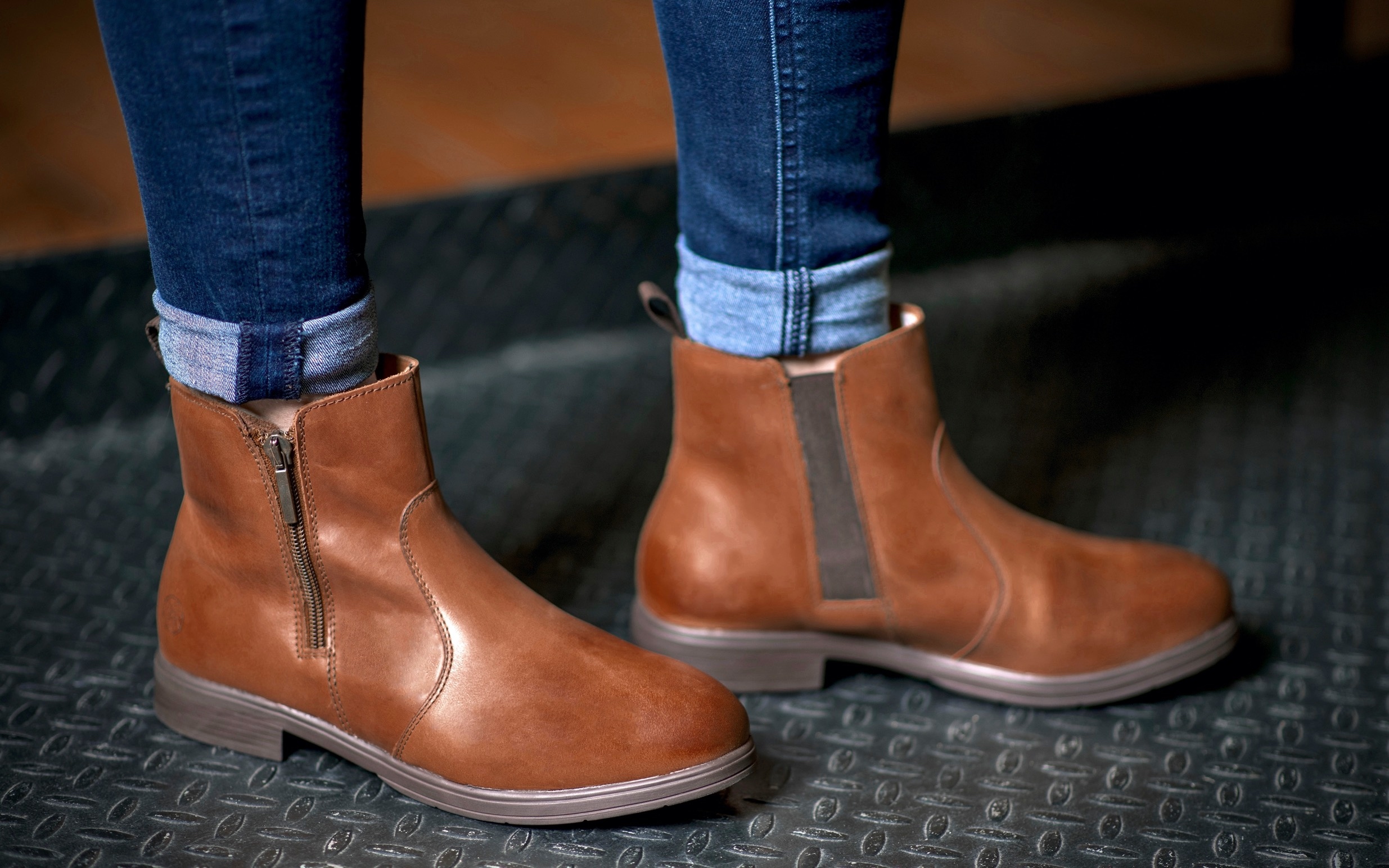
Jamie Glas, the founder of Baton Rouge, La.-based HauteWork, discovered the need for better flame-resistant (FR) coveralls while working as a petroleum engineer; Jane Henry, founder of Houston-based SeeHerWork, created safety gloves and other PPE after working on a disaster recovery project; I began designing safety footwear for women after working in the manufacturing industry as an engineer and project manager; and Melissa Gaglione founded Milwaukee-based Safety4Her after struggling to find comfortable safety clothing for her work in the towing industry. There are countless other examples of women contributing to the transformation of the PPE and workwear industries from head to (steel) toe.
Head Protection
Safety helmets have risen in popularity at construction sites throughout the United States. Several large contractors have adopted their usage 100% of the time and have included subcontractors in their PPE programs as well. Not only are modern safety helmets lighter weight, but they also feature multiple areas of adjustment, instead of one ratchet, allowing for a more customized fit. Hard hats and safety helmets are often thought of as one-size-fits-all due to the fit customizations but they are actually available in a variety of sizes. Most workplaces opt for purchasing one size, making very few exceptions.
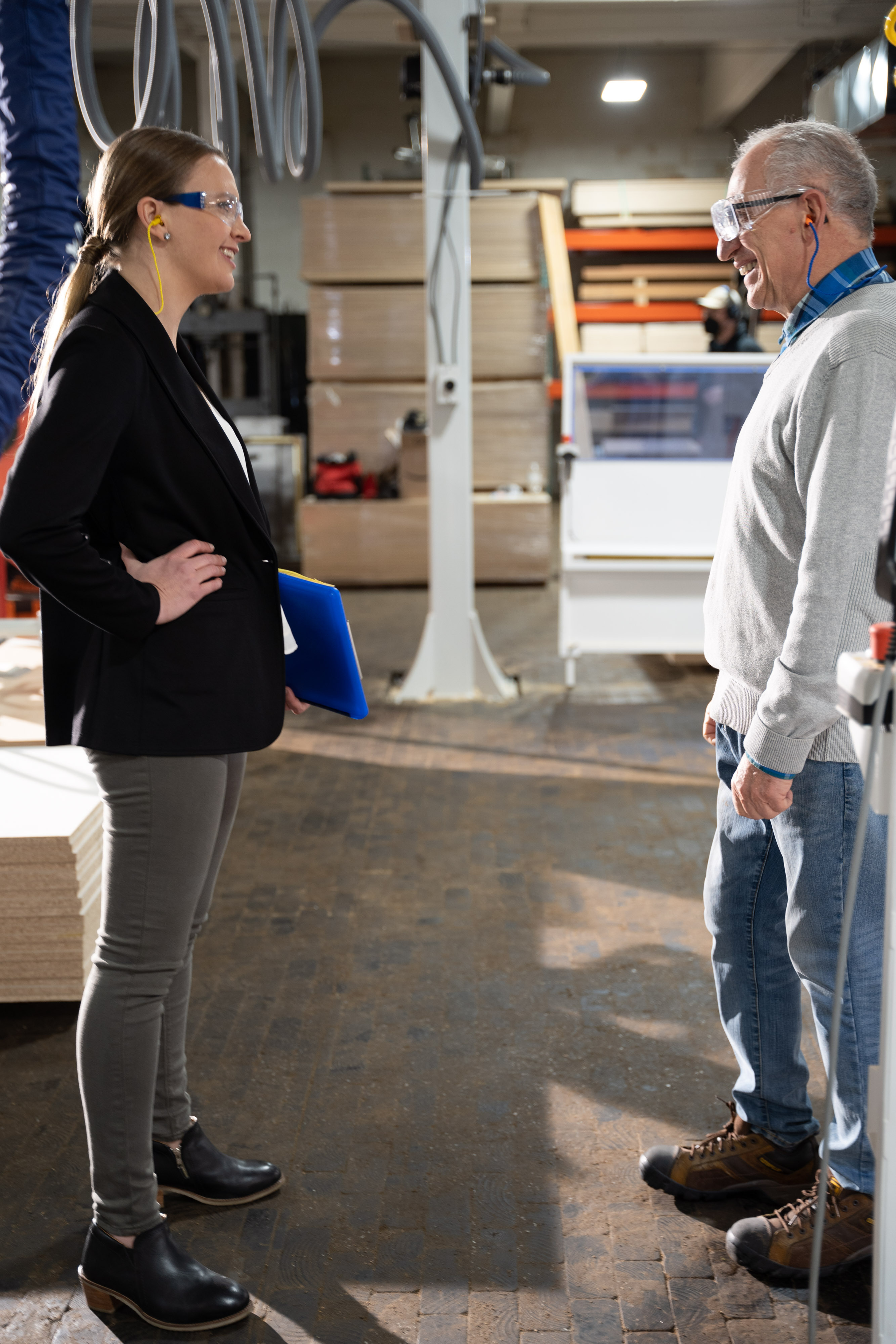
This has an especially negative impact on women who may have hairstyles (braids, twists, locs, etc.) that require larger size helmets. Men may also benefit from having additional size options, so meeting the needs of women can benefit all workers.
Eye Protection
As safety glasses are required on many projects 100% of the time, it is essential to find a pair that both meets protective requirements and fits well. Women on average prefer larger frames as they are better for higher cheekbones and the glasses don’t rise up while speaking or smiling. Many manufacturers are now offering more fashionable options that can be worn all day.
Hearing Protection
Employers should always offer a wide range of sizes and types of hearing protection for workers. The main reason being that there are a variety of ear canal sizes. Smaller ear canals can be irritated by larger, less pliable earplugs, while smaller plugs may not provide enough protection.
Body Protection and Apparel
High-visibility vests and outerwear for women now include a range of sizes and cuts, with some allowing for a fitted, less boxy shape, which ensures less loose fabric that could become entangled at the work site. Some vests now zip up higher on the chest, and have less pockets at the chest, which are less functional for women. Instead, they feature more zipped, secured pockets at the sides and secret pockets inside the vest.
High-visibility shirts take into account anthropometric data to ensure less loose fabric at the shoulders and waist. Coveralls, pants and button downs are available in women’s cuts to accommodate the petite, curvy, thin, tall and everyone in between. These garments cannot be tailored so finding the right fit the first time is key.
Protective Footwear
Men’s and women’s feet are shaped differently. A typical woman’s foot is both shorter and narrower than a typical man’s foot, so a smaller boot may be the right length but not the right width. To achieve the perfect fit for protective footwear, the shoes need to be built with considerations of anthropometric data. The correct safety footwear can help women transition seamlessly from a professional setting to the manufacturing floor or job site.
This is an exciting time for women and men, with PPE and apparel becoming more in line with modern design concepts. As safety gear and apparel begins to look more like street clothing, it doesn’t mean it’s not protective or does not meet the required standards. Make sure to do your research, understand anthropometric data, and include field workers in PPE and apparel decisions.
Abby Ferri is a safety and risk management consultant, podcaster and author. Anastasia Kraft is founder and CEO of XENA Workwear, Milwaukee. To learn more, call (414) 207-6158 or visit www.xenaworkwear.com