When planning to build a structure many professionals’ first thought is what method of construction best fits the project. Traditional metal building systems hold an advantage in speed and design over other methods and materials.
Cold-formed building systems offer construction solutions with a variety of cost and design benefits
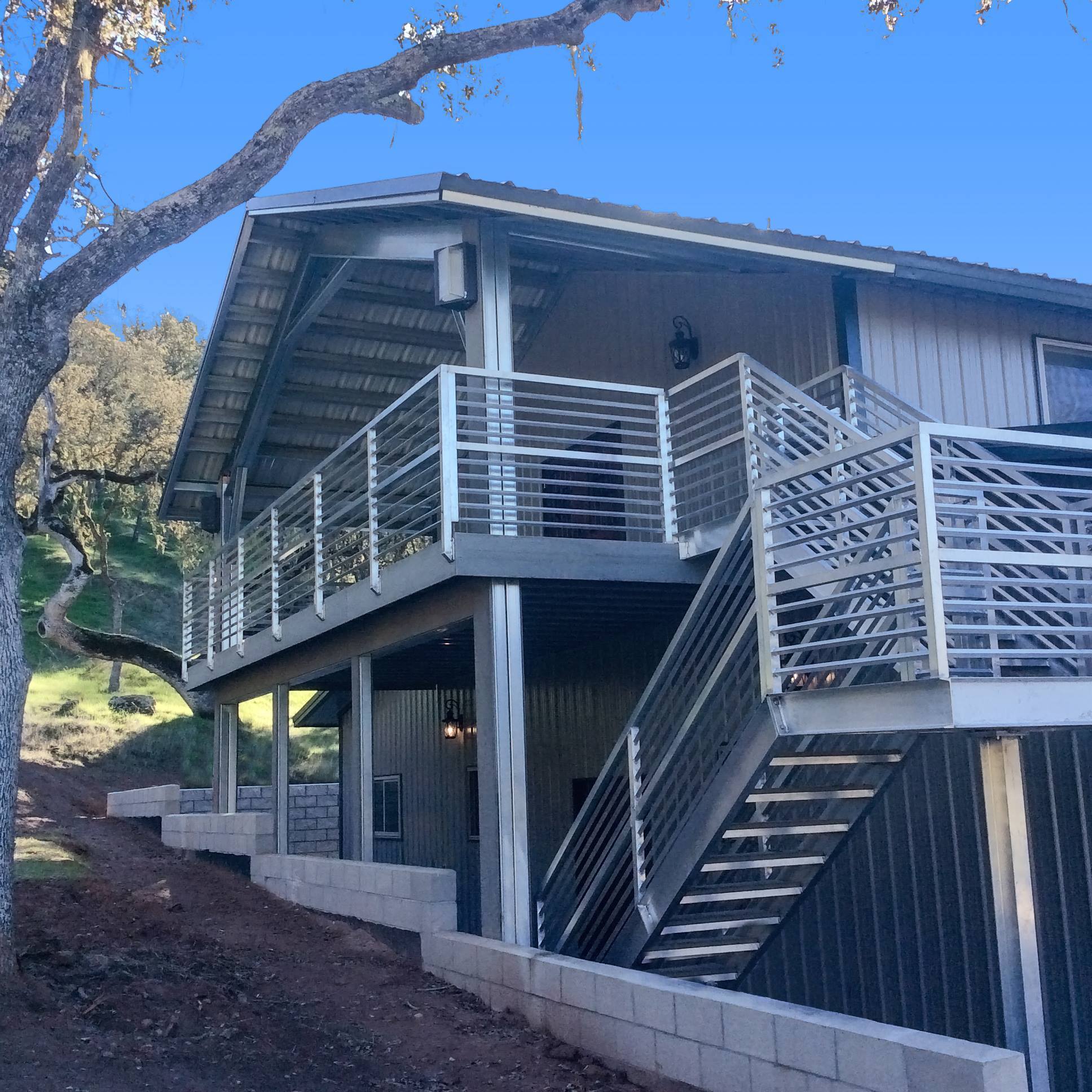
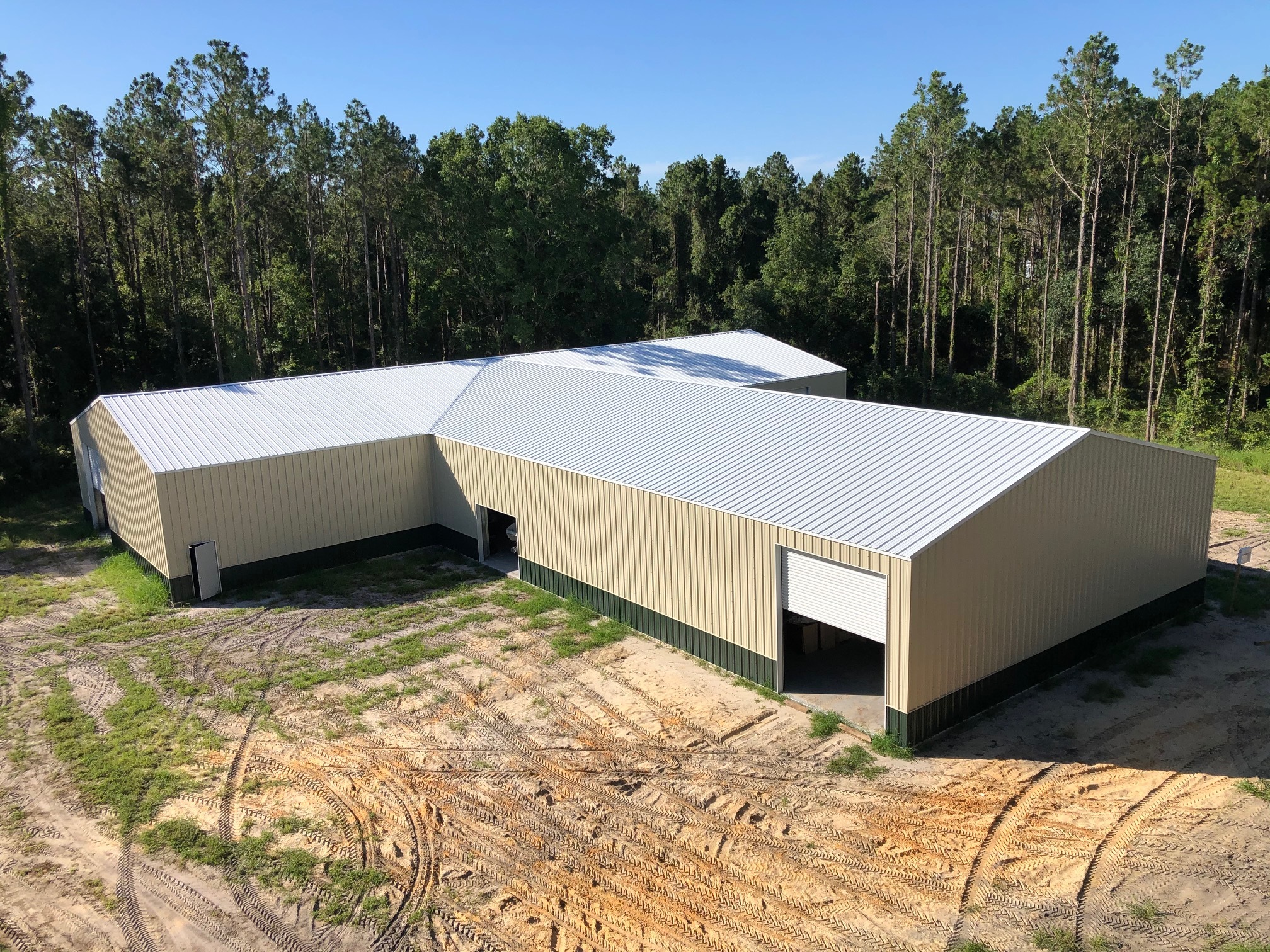
Depending on the size and use of the structure, another, possibly superior option is to choose a 100% cold-formed framing system. For this style of building frame parts are made using rollformers, eliminating the need for the more expensive and labor-intensive, welded primary framing.
The erection process is streamlined and can achieve meaningful cost reduction. And, there is virtually nothing of the final appearance to indicate a structure has been built using a cold-form framing system.
Growing Usage
Previously, cold-formed steel was the preferred material for secondary framing, interior finish-out and nonload bearing walls. With advances in material sciences, the range of applications that can benefit from using cold-formed steel instead of its more familiar and typically less attractive cousin, hot-rolled steel has expanded dramatically. Coldformed steel does not require heat to be formed into desired shapes and components. In addition to being recyclable, there is a lot to like about having a corrosion-resistant option that also comes in a variety of gauges and coatings.
When using a cold-formed building system, all frame members are pre-galvanized offering superior appearance and durability when compared to the traditional red oxide most often used as a shop-applied primer in welded structures.
A full range of design options can be built using cold-formed framing including, but not limited to, mezzanines, gable and eave overhangs and lean-tos. Architects find cold-formed structures offer an expansive range of creative options. And like welded structures, cold-formed projects are also pre-engineered. The design and estimating programs used in plan preparation are completely customizable. They even allow for changes to the width, length, height and all openings on the fly. The reduction of weight can reduce the expenses associated with the foundation engineering and plans are included with all drawing sets.
Many Benefits
The lighter weight is a result of a combination of cold-formed steel being stronger and thus requiring less weight in certain designs leading to a more optimized product offering. With steel selling by the pound coldformed can often be more economical than other types of building systems.
This in turn can mean lower freight expenses. Many cold-formed building types can be delivered with shorter lead times and can typically be erected in less time than traditional welded frame projects. Most cold-formed buildings require less specialized equipment and personnel on-site, which also shortens the time from design to finished project.
The takeaway for contractors and erectors is that there are multiple choices when it comes to fabricating metal frame buildings. Welded metal building systems are often the best choice for larger, taller structures. But the advantages when using cold-formed building systems can now offer construction solutions with a variety of cost and design benefits.
Dave Robinson is vice president of sales at Whirlwind Steel Buildings and Components, Houston. To learn more, visit www.whirlwindsteel.com or call (800) 324-9992.