Once a staple of historic handcrafted European architecture, batten seam metal roofing is reemerging as a fashionable choice in today’s construction market. Blending time-tested craftsmanship with modern materials and fabrication methods, this roofing style delivers a distinctive architectural profile along with exceptional durability and weather performance. Contractors and architects are rediscovering their ability to add character and depth to both traditional and contemporary designs while benefiting from the precision and efficiency of today’s engineered metal systems.
Although standing seam metal roofing is the most popular style of metal roofing and holds the largest market share, the demand for other metal roofing profiles, including batten seam metal roofing and metal shingles, continues to grow.
Standing seam vs. Batten seam
Both batten and standing seam are considered architectural metal roofing systems. They feature long, continuous panels running vertically, with raised seams or battens that help channel water away from the roof.
Standing seam metal roofing consists of panels with upturned vertical seams that interlock with adjacent panels, creating a seamless appearance. The seams can be snapped together or mechanically seamed, which will conceal the fasteners and any clips under the panels. The mechanically seamed panels are well-suited for low-slope applications, whereas the snap-seamed panels are more common in higher-slope applications. There are also standing seam systems available that do not have an integral seam. Those systems have three components: the pan, clips, and a separate seam, and should be installed over a solid substrate, as they are not structural systems.
Aesthetically, standing seam metal roofs offer a streamlined look. Their narrow seams and flat pans emphasize long, uninterrupted lines, making them popular for modern commercial, institutional, and residential buildings. The minimalistic profile also contributes to their popularity in contemporary architecture.
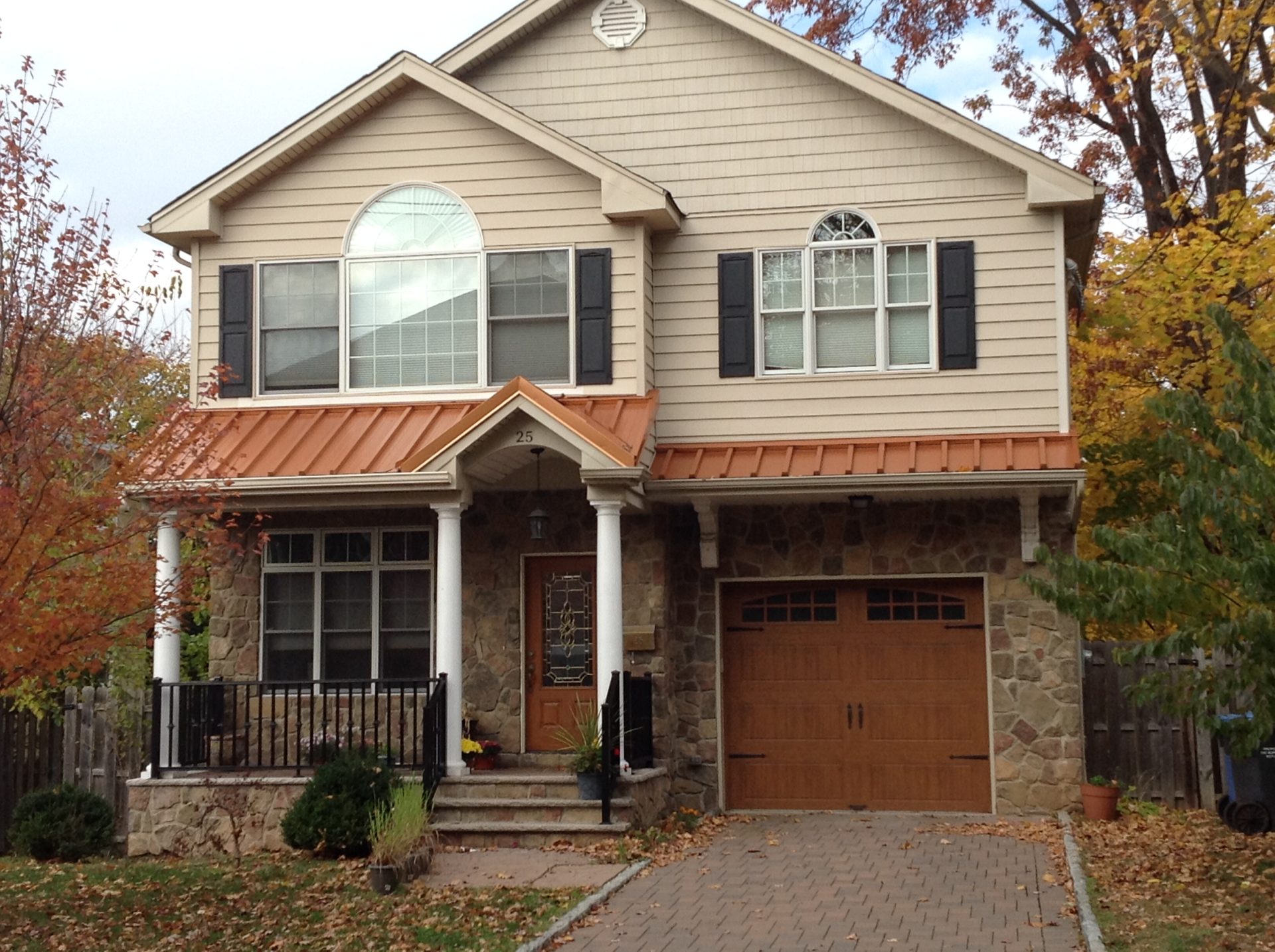
Batten seam metal roofing uses raised battens to create a more defined joint between the panels and is often used in steep-slope applications. The battens can be an integral part of a metal roofing panel where the panels interlock with each other, or can be a separate cap that joins two panels together. With both types of batten seam metal roofing, like the standing seam systems, the fasteners and any clips will be concealed under the panels. The integrated system enables one-piece installation, reducing on-site labor costs and eliminating the need for additional batten caps. Additionally, no special equipment is required to zip or seam the panels together.
Bold ridges of batten seam metal roofing stand out as a distinctive feature of the building’s design. They are often used on historic structures, churches, civic buildings, and high-end custom homes where a traditional or old-world aesthetic is desired. The larger seam height and visible cap add depth and texture to the roof.
Batten seams: Not only for roofs
In addition to being used for metal roofing, metal wall panels featuring batten seams are gaining popularity due to their combination of classic aesthetics, modern durability, and minimal maintenance requirements. They offer a timeless board-and-batten look that can be enhanced with a wide range of colors and finishes, while the metal material provides long-lasting protection against moisture, fire, and pests. Batten seam metal wall panels offer visual depth and versatile design possibilities.
Materials and finishes
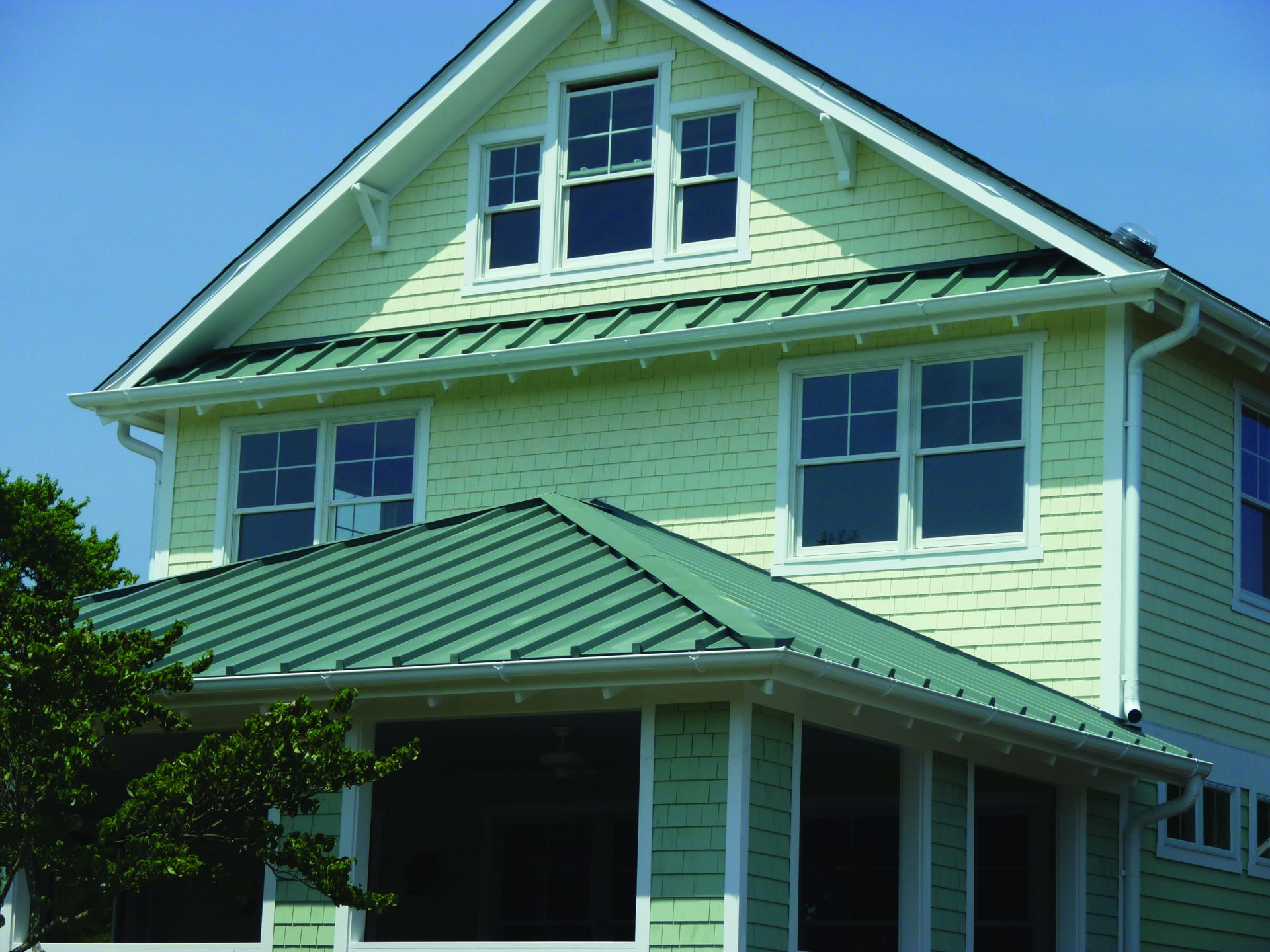
The majority of batten seam metal roofing is made of aluminum or steel, although the aesthetic can also be achieved with copper or zinc. These materials are often selected for batten seam roofs to enhance their traditional look and allow natural patina to develop over time.
Painted finishes using high-performance polyvinylidene fluoride (PVDF) coatings are common for modern projects, offering excellent color retention and corrosion resistance.
Labor considerations
Both batten seam and standing seam metal roof panels are similar in labor costs for the integral seam systems. For the systems where the seam is a separate component, those will incur more labor costs due to the installation of multiple components. Also, batten seam systems do not require special equipment to mechanically seam the panels, which also saves on time and labor.
Sustainability
Batten seam metal roofing contributes to sustainability goals by using metal with recycled content, cool roof coatings, and a long service life. At the end of their life, they are 100 percent recyclable and can be reused to create new products without being disposed of in a landfill. Unlike traditional asphalt shingles, which create millions of tons of landfill waste, metal roofing offers a virtually zero-waste alternative. This benefit of being fully recyclable makes it a closed-loop material, from its initial manufacturing to its final use and recycling. Metal roofing can contribute to green building certifications, such as LEED, due to its sustainable attributes.
The future of batten seam metal roofing
As the construction industry continues to balance aesthetics, performance, and longevity, batten seam metal roofing stands out as a system that bridges tradition and innovation. Its distinctive raised profile and adaptable design options allow it to complement both historic restorations and cutting-edge architecture. With modern metals, advanced coatings, and refined installation methods enhancing its time-honored form, batten seam roofing offers contractors, architects, and building owners a proven solution that delivers craftsmanship, durability, and enduring visual appeal, making its comeback both timely and well deserved.
Lee Ann Slattery is the sales support manager for ATAS International and the treasurer for the Metal Construction Association (MCA). She has 30 years of experience in sales and marketing within the architectural building products industry. She served as the director of the Middle Atlantic Region Institute on the board of the Construction Specifications Institute (CSI) for four years and was elevated to Fellowship within CSI in 2020. She currently serves on the education committee for National Women in Roofing (NWIR) and is a director for the Lehigh Valley Let’s Build Construction Camp for Girls, founded in 2017. This year, she received the Lehigh Valley Women of Influence and Circle of Excellence awards from Lehigh Valley Business.