The pursuit of distinctive and imaginative design in architecture continually evolves. Contractors and designers explore innovative methods, including direct printing onto metal panels. This cutting-edge approach not only provides a fresh canvas for creative expression in residential, commercial, and architectural projects but also significantly redefines durability, vibrancy, and environmental sustainability in the metal wall and siding industry.
Direct printing on steel introduces a novel way of bringing unique looks to life. This technique directly prints images onto metal surfaces used in building design using high-definition digital printing technology—like desktop inkjet printing, but on a much larger scale. The capability to print multiple patterns within the same coil enables greater customization and flexibility. The electron beam-curing technology used in direct-print metal panels supports the ongoing mission of decreasing energy usage and its effects on the environment by removing the need to heat thousands of pounds of steel. The result is a stunningly vibrant, detailed, and durable piece of art that can fool the eye with its realism while withstanding the test of time and the elements.
Board and batten metal panels
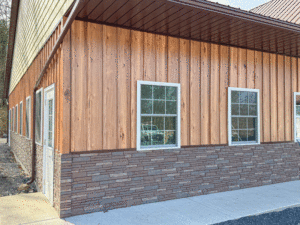
Metal manufacturers are fully committed to making quality steel the number one trusted building material of choice for roofing and siding. Innovations such as board and batten are key to accomplishing this as consumer interest in metal siding is growing. In response, manufacturers have launched several products to meet this demand. Some of these products are now available as direct-print panels, offering both textured and solid color options. They even include direct-print wood-grain options to match various architectural styles and applications, from agricultural uses to cottage-design residential structures.
The look of wood
Direct-print panels blend unique advantages with the reliable benefits of steel. Options like wood and fiber cement for achieving a board and batten appearance are heavier and more susceptible to insect and water damage. Moreover, both require more frequent painting or protection compared to their metal counterpart. The technology also enables the reproduction of intricate details like the grain in a cross-section of hickory wood or the knot holes in a piece of oak, allowing manufacturers to push the boundaries of what can be achieved visually. With patterns that can extend to a 21-m (70-ft) repeat, the result is lifelike—even on larger buildings.
The future of direct-print metal panels is promising, with ongoing advancements in printing technology and materials science paving the way for even more creative possibilities. As mills and manufacturers continue to experiment with this medium, architects and contractors can expect to see a broader range of applications and even more stunning creations that challenge the industry’s perceptions of what is possible in design.
Direct print holds up
Direct-print metal panels have all the benefits of steel cladding. The ability to withstand outdoor conditions—such as sun, inclement weather, and temperature extremes without fading or deteriorating—makes metal panels an excellent choice. Metal offers both aesthetic appeal and longevity. In addition, this built-in protection is backed by manufacturers’ warranties that are unmatched by other material options.
Green metal
Sustainability is another significant aspect of direct-print metal panels. The metal industry is leading the way in the move toward more environmentally sustainable practices. Metal is one of the only 100 percent recyclable building materials, and the printing process is considerably more eco-friendly than jobsite painting required of other cladding products. This eco-conscious approach not only benefits the planet but also appeals to environmentally aware consumers and organizations looking to reduce their ecological footprint.
The future
Direct-print metal panels represent a significant leap forward in possibility, offering a unique blend of creativity, durability, and sustainability. This innovative medium challenges traditional notions of metal walls, bringing them to applications never before imagined for steel. As this technology continues to evolve and become more accessible, the future looks promising for steel to become an even more familiar and accepted building material. In this new era of creativity and uniqueness, the possibilities are limitless.
Andrew Wilson is vice-president of innovation at Central States (centralstatesco.com). Over his six-plus-year tenure with the 100 percent employee-owned company, he has been a part of the company’s substantial growth through providing quality metal, unwavering customer service, and a keen eye for the future. Before working at Central States, Wilson spent 18 years at Valeo, an automotive OEM, in supply chain, quality, manufacturing, and engineering.