

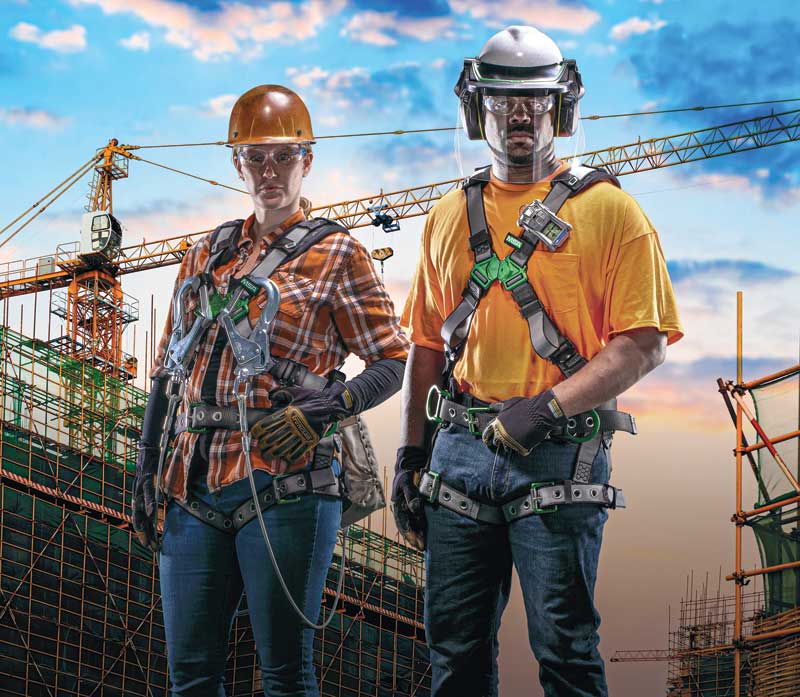
Despite the vast advancements that have been made over the years to improve the comfort and wearability of fall harnesses, the “one-size-fits-all” approach still does not necessarily apply. Construction workers may be reluctant to don gear that does not fit properly for their shape and size.
If workers are hesitant to wear poor-fitting personal protective equipment (PPE), they are not only risking their safety and the safety of their team, but are also impacting their employer’s compliance with Occupational Safety and Health Association (OSHA) regulations. However, even if a worker does don a fall harness—but it is either too large or too small—that worker’s safety can still be compromised.
The importance of properly fitting PPE is currently the focus of a pending OSHA rule revision that will explicitly require that construction equipment must fit properly. According to OSHA, the rule revision is being proposed to increase clarity of its PPE fit requirement for the construction industry, aligning it with the PPE fit requirement for general industry and maritime sectors.
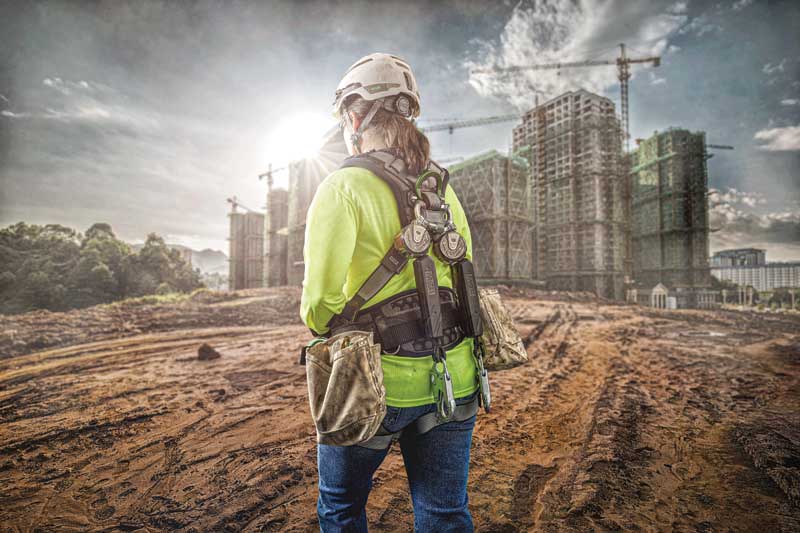
Unfortunately, due to the complexity of fall hazards, there is no “one-size-fits-all” answer to protecting workers. When it comes to fall protection, having PPE at construction sites that is comfortable and adjustable to fit various body types can help address these risks.
The new rule also considers the number of women working in the construction industry and the need for appropriately sized PPE options for women. According to the United States Bureau of Labor Statistics, one in 10 construction workers is a woman.1 (Historically, PPE was designed primarily to fit average-sized men.)
According to OSHA’s proposed rule changes regarding properly fitting PPE, “properly fits” means the PPE is the appropriate size to provide an employee with the necessary protection from hazards and does not create additional safety and health hazards arising from being either too small or too large. The idea, according to OSHA, is employees are less likely to discard or modify it because of discomfort or interference with their work activities.2
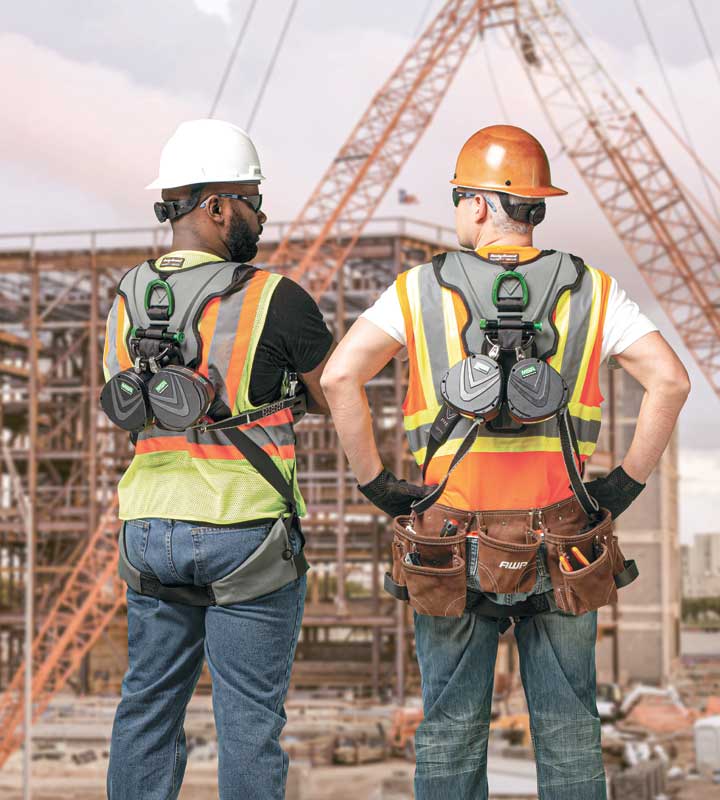
In addition to keeping up with OSHA’s latest updates and providing proper fall protection training for employees, there are a few things to keep in mind when looking for PPE that can accommodate a range of worker sizes and needs.
When donning a harness and determining fit, pay particular attention to ensure buckles are connected and aligned correctly, leg straps and shoulder straps are always kept snug, chest straps are located in the middle chest area, and leg straps are positioned and snug. When selecting fall harnesses, keep in mind certain features than can help improve comfort and adjustability.
In addition to fit, it is also important to keep in mind if PPE has gone unused for long periods of time, inspection before use is critical. Inspecting PPE before use can help to identify any corrosion that might have occurred, any UV light damage, or other prolonged environmental factors that might affect the PPE’s form, fit, and function.
To help make sure employers and their employees are compliant with OSHA regulations and prepared with the proper understanding of PPE and industry requirements for working at height, consider attending in-person and virtual fall protection training courses of various levels. Various companies offer these courses to help keep workers up to date on the latest industry changes.
Dennis Capizzi is MSA Safety’s industrial marketing manager and has been with MSA Safety for 16 years. He is responsible for marketing efforts for several of MSA Safety’s industrial products, including fall protection and head protection. He is also a customer experience leader for MSA Safety’s North America business segment where he manages a network of regional customer experience champions to assist in developing and leading the company’s customer experience initiatives.
REFERENCES
1 See https://www.bls.gov/spotlight/2022/the-construction-industry-labor-force-2003-to-2020/home.htm