

In the demanding world of metal construction, the quality of tools can directly affect not only the speed and quality of work but also safety, comfort, and long-term job satisfaction. The quality can also mean the difference between a job that is merely completed and one that is completed with precision, safety, and efficiency. From fabrication shops to job sites, metal construction professionals are increasingly turning to tools that not only withstand punishing conditions but also deliver long-term performance with less operator fatigue.
Backed by years of engineering and field experience, here are the top five features every pro should prioritize when choosing tools for metal construction work.
Durability that withstands the harshest conditions
Construction sites are some of the toughest environments for tools. From exposure to dust, metal shavings, moisture, and rough handling, a tool that is not built for the long haul simply will not survive. To avoid wasting time and money when tools break or malfunction, it is always better to invest in quality tools. Durability is not just about how long a tool lasts—it is about minimizing downtime and maintenance. When cutting through steel beams or grinding welds, tool failure cannot
be afforded.
What to look for:
- All-metal gear housings
- Brushless motors
- Sealed electronics and reinforced cables
- Vibration-resistant housings
Precision that pays off
In metal construction, fractions of an inch can determine the strength, alignment, and visual integrity of the final product. Precision tools do not just improve outcomes—they reduce waste and rework.
Key features to prioritize:
- Low runout on drills and cutters
- Stable cutting speeds under load
- Adjustable guides or depth stops
- Precision gearing systems
Magnetic drills, for example, are engineered for exact cutting and hole placement—ideal for structural steel, heavy fabrication, or metal framing. A well-engineered tool not only makes the operator’s job easier but keeps overall costs down when constant rework is avoided.
Ergonomics that keep crews productive
Tool performance is not just about cutting or drilling power. It is also about how the tool feels and functions in the user’s hands after hours of continuous use. Fatigue is one of the silent productivity killers on the job. Tools that are heavy, poorly balanced, or uncomfortable to grip lead to slower work and can risk user safety.
Well-designed tools are safer for the user and everyone on the job site.
Important ergonomic considerations:
- Lightweight, balanced design
- Vibration-dampening handles
- Multi-position grips
- Intuitive controls that are accessible with gloves
In field tests, productivity jumps when crews switch to ergonomically optimized tools. It is not just about comfort; it is about reducing cumulative strain and improving safety.
Smart power management
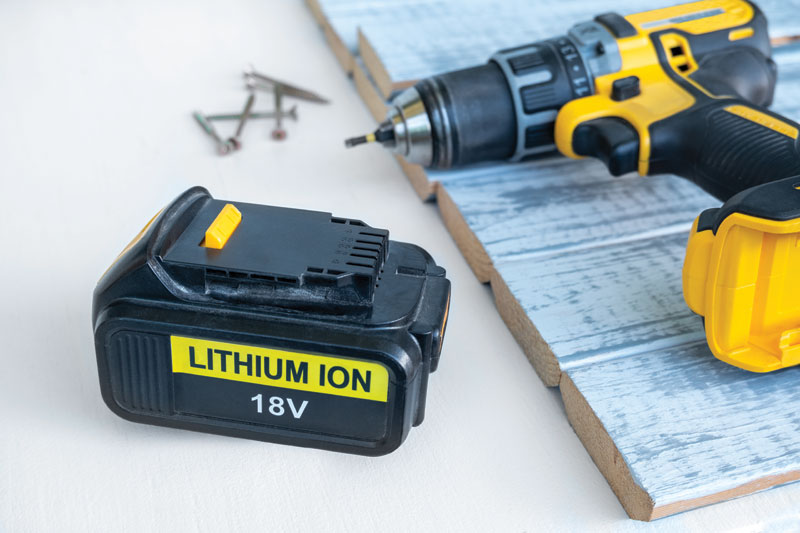
Battery-powered tools are increasingly becoming standard on job sites, but not all cordless systems are created equal. Metal construction requires high torque and endurance, and power tools need to keep up.
Top power management features:
- Long-lasting lithium-ion battery platforms
- Brushless motor technology for efficient power use
- Electronic overload protection
- Quick-charging systems with active cooling
Versatility and accessory compatibility
Every job is different—and so is every joint, cut, or fastening requirement. Choosing tools that work across multiple tasks and support a range of accessories is a smart way to reduce loadout without sacrificing capability.
Features to seek:
- Universal tool interfaces
- Quick-change systems for accessories
- Variable speed settings
- Tool-free adjustment mechanisms
These quick-change systems and adjustments allow metal professionals to swap out accessories in seconds, without reaching for a wrench. The most effective tools are those that allow users to transition seamlessly between tasks without interruption, boosting productivity every step of the way.
Bottom line: Invest in tools that work as hard as you do
For metal construction professionals, the right tools are more than just equipment, they are an extension of skill, craftsmanship, and dedication to doing the job right. That is why it is important to consider tools an investment in craftsmanship, safety, and profitability. By prioritizing durability, precision, ergonomics, power management, and versatility, contractors can build a toolkit that enhances their productivity and professional reputation.
Great tools are built from the job site up—engineered not just to perform, but to perform better, longer, and smarter. Whether fabricating on-site, installing structural steel, or finishing welds, make sure to have power tools that stand up to the task.
Steve Vincent has been employed by FEIN Power Tools and Jancy Engineering for 25 years, working in every aspect of the business from repairs to product management. He currently serves as a product manager at FEIN Power Tools.