Aside from finishing a basement or a major kitchen renovation, a new roof is one of the biggest purchases a homeowner will make. Housing market conditions and rising interest rates are encouraging homeowners to stay put longer than ever, which makes the eventual need for a new roof more likely and the argument for a long-term solution all the more convincing.
Helping homeowners feel better and more informed about metal
This trend is highly encouraging for contractors specializing in metal roofing. Metal roofing does requires a greater upfront investment than asphalt, which is sometimes a hard sell for a homeowner with a leaky roof and an immediate need to fix the problem. Yet when contractors help homeowners understand how other types of roofing compare to metal, it helps them feel better about their purchase, whether it’s metal or another roofing product.
Metal
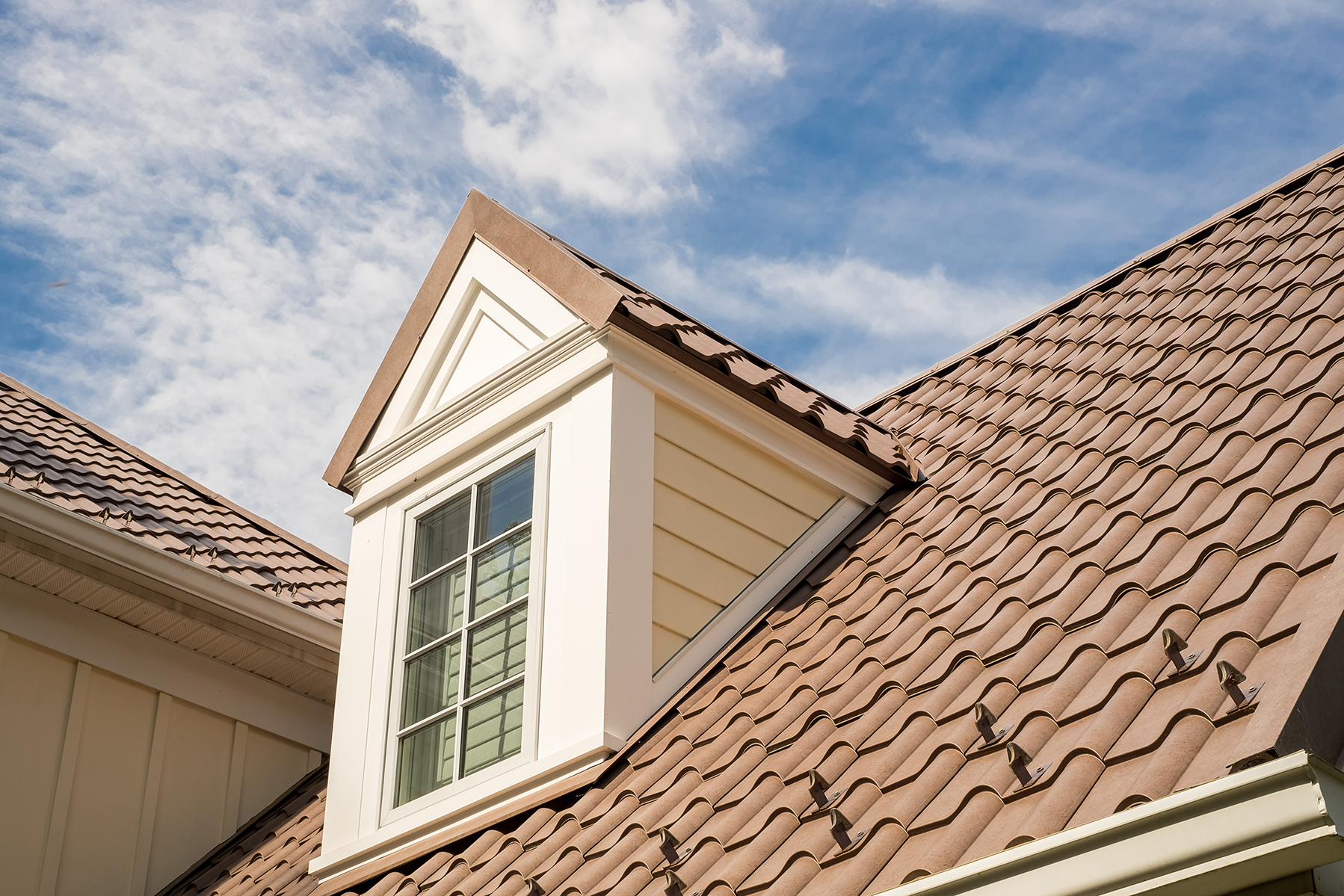
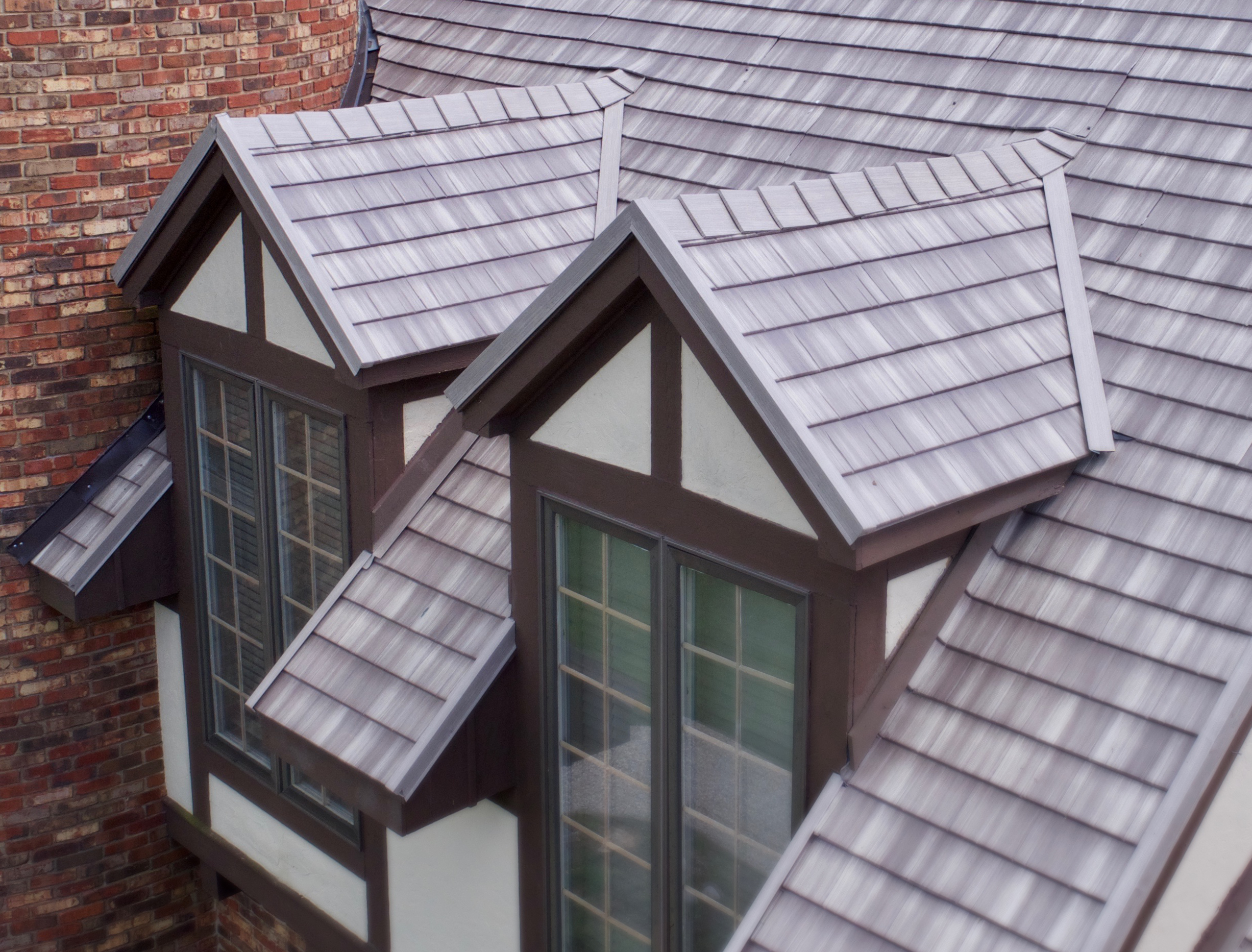
Metal roofing is lightweight, hardy and versatile. Thanks to the malleability of metal, it can be shaped into various design profiles that mimic natural roofing materials like shake, slate and clay tile. Metallic surfaces easily accommodate cool roof paint coatings that dramatically reduce rooftop temperatures, which can lead to significant energy savings over time. Metal roofing provides superior impact, wind and fire resistance, and since it is inorganic, it also resists algae, mold and brittleness that can affect natural roofing materials. While nonferrous metals like aluminum, copper and zinc are recommended near seaside communities, metal roofing typically offers superior longevity, lower insurance premiums and strong, comprehensive warranty protection in a variety of environments.
• Pros: Various styles, 50-year-plus life span, virtually no maintenance, cool roof color options, superior impact/wind/fire resistance, color, longevity, fully recyclable
• Cons: Upfront cost
Asphalt
There’s a reason that so many homeowners have asphalt roofs on their homes. From inexpensive three-tab shingles to luxury architectural shingles, asphalt roofing comes in many styles, colors and price levels. These flexible pricing options often afford homeowners the opportunity of spending a little more for performance features such as cool roof color technology or a high impact-resistance rating. Modern asphalt roofing also comes in designs that mimic natural materials like shake and slate.
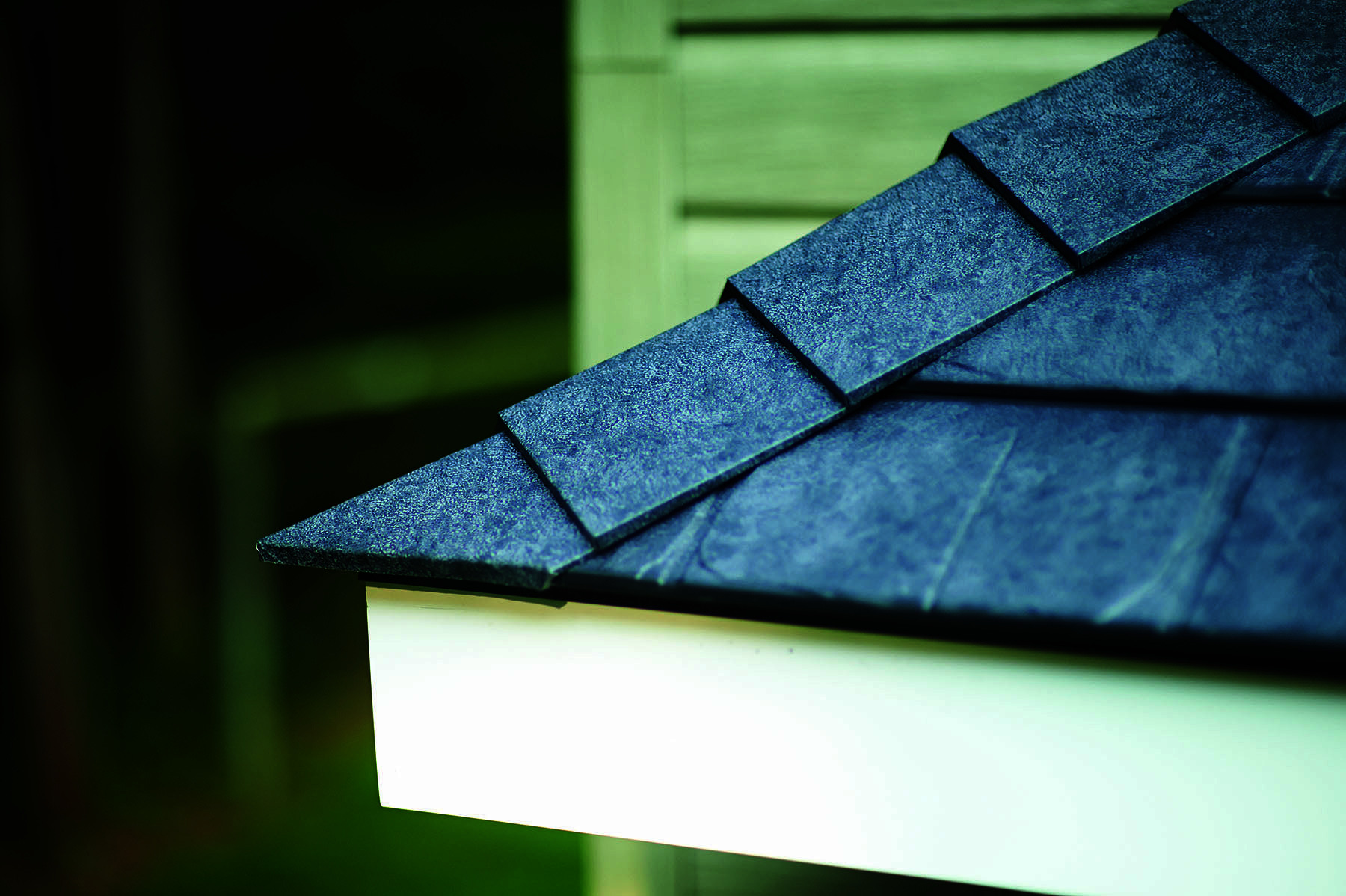
Metal roofing typically lasts decades longer than asphalt roofing, making it a persuasive alternative for someone planning to stay in their home for a long time. However, asphalt can provide customers with versatility not seen in other roofing types.
• Pros: Affordable, various styles, impactresistant and cool roof color options, low-maintenance
• Cons: Metal/slate/clay tile roofing typically lasts longer, limited recycling options
Wood Shake
There’s something to be said about natural materials. A newly installed wood shake roof is exceptionally beautiful. Traditional cedar shingles have heft, making them durable in the face of hurricanes, heavy rains, snowstorms and other types of severe weather. Wood is naturally insulated, so shake can be an attractive option for homeowners wanting a mixture of natural materials, energy efficiency and weather protection.
Wood shake, however, requires ongoing maintenance to prevent cracking, splitting and intrusion of insects, mold, algae and rot. The initial installation cost of shake is on par with metal roofing, but the ongoing cost of maintaining shake is much more. Metal roofing can be a good choice for someone who wants the look of shake without the added maintenance costs.
• Pros: Beauty, natural insulation properties, durability, energy efficient
• Cons: Upfront and ongoing cost, regular maintenance required
Slate and Clay Tile
Slate and clay tile roofing is beautiful, durable, environmentally friendly and fire resistant. It is not uncommon for a slate roof to last 150 years or more. Clay tile is prized for its durability and longevity and will last for decades with proper maintenance. Both will stand up to extreme weather, including heavy rains and freeze/thaw cycles.
Slate and clay tile, however, are the heaviest and most expensive roofing options, weighing between 600 to 1,000 pounds per square. This makes reinforced roof decking a must. In most of the country, it is difficult to find contractors who specialize in slate and clay tile, and it’s not unusual for contractors to damage or crack tiles with foot traffic. Metal roofing is a great option for homeowners who don’t want the cost, weight or hassle associated with slate or clay tile.
• Pros: Beauty, durability, longevity, fire/wind/ impact/rot/insect resistance
• Cons: Weight, extreme upfront cost
Metal roofing may not be right for every home, but when presented with choices, homeowners often come around. Knowing the benefits of various products on the market and presenting it honestly will make for a more educated customer and a stronger sell.
Dale Walton is manager, residential product marketing, CertainTeed Corp., Malvern, Pa. To learn more, visit www.certainteed.com or call (800) 233-8990.