Here is a bit of news that may not surprise you: customer needs, wants and preferences vary widely. One-size-fits-all solutions rarely happen in the construction business. But here is a bit of news that will surprise you: adding metal buildings to your line of products can give you a wider pool of potential construction customers.
Adding metal buildings to your product line provides a wider pool of potential construction customers
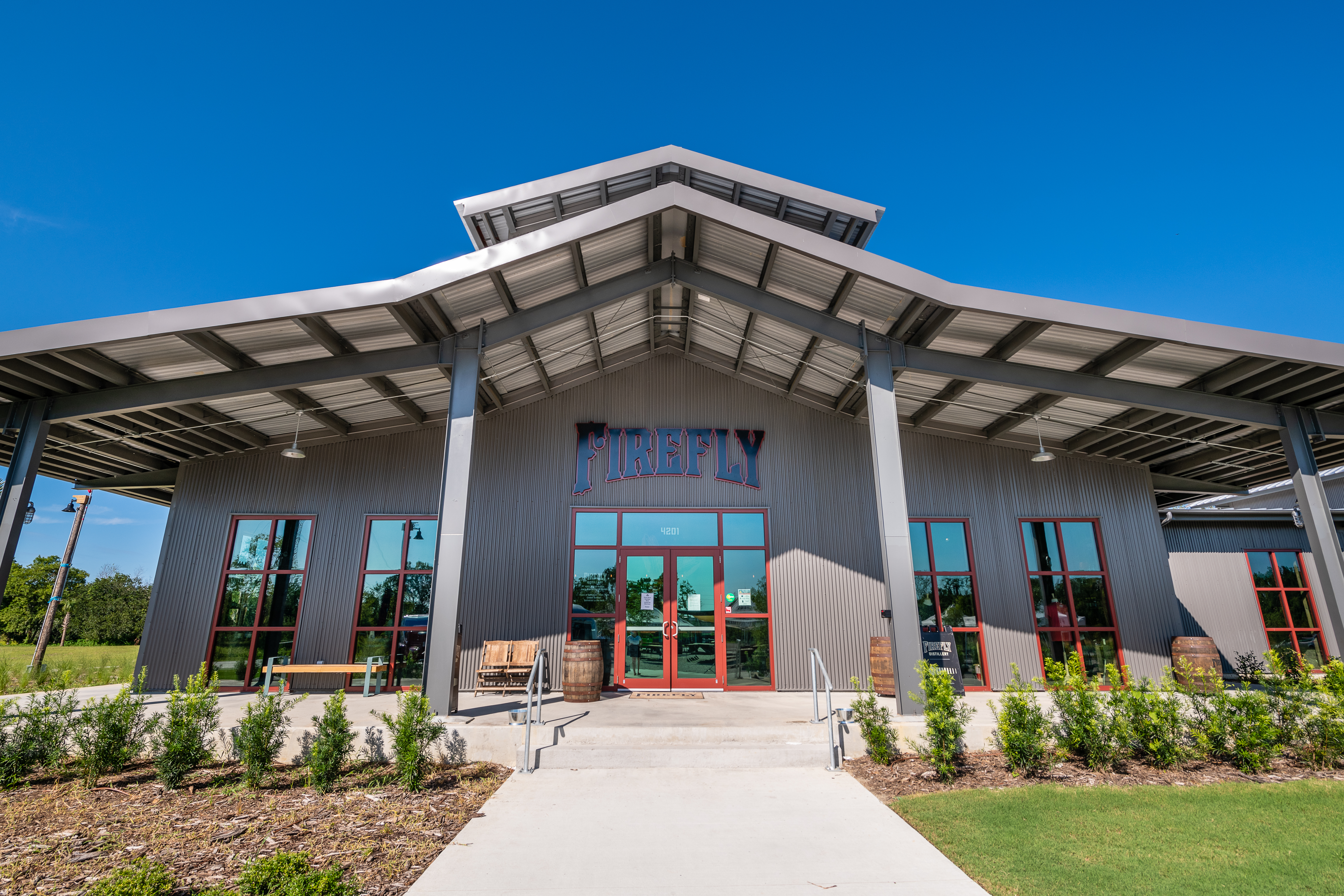
How? Simply put, building with steel offers many unique benefits compared to other types of materials and many of them are on your prospective customers’ must-have lists.
Broad Range of End Uses
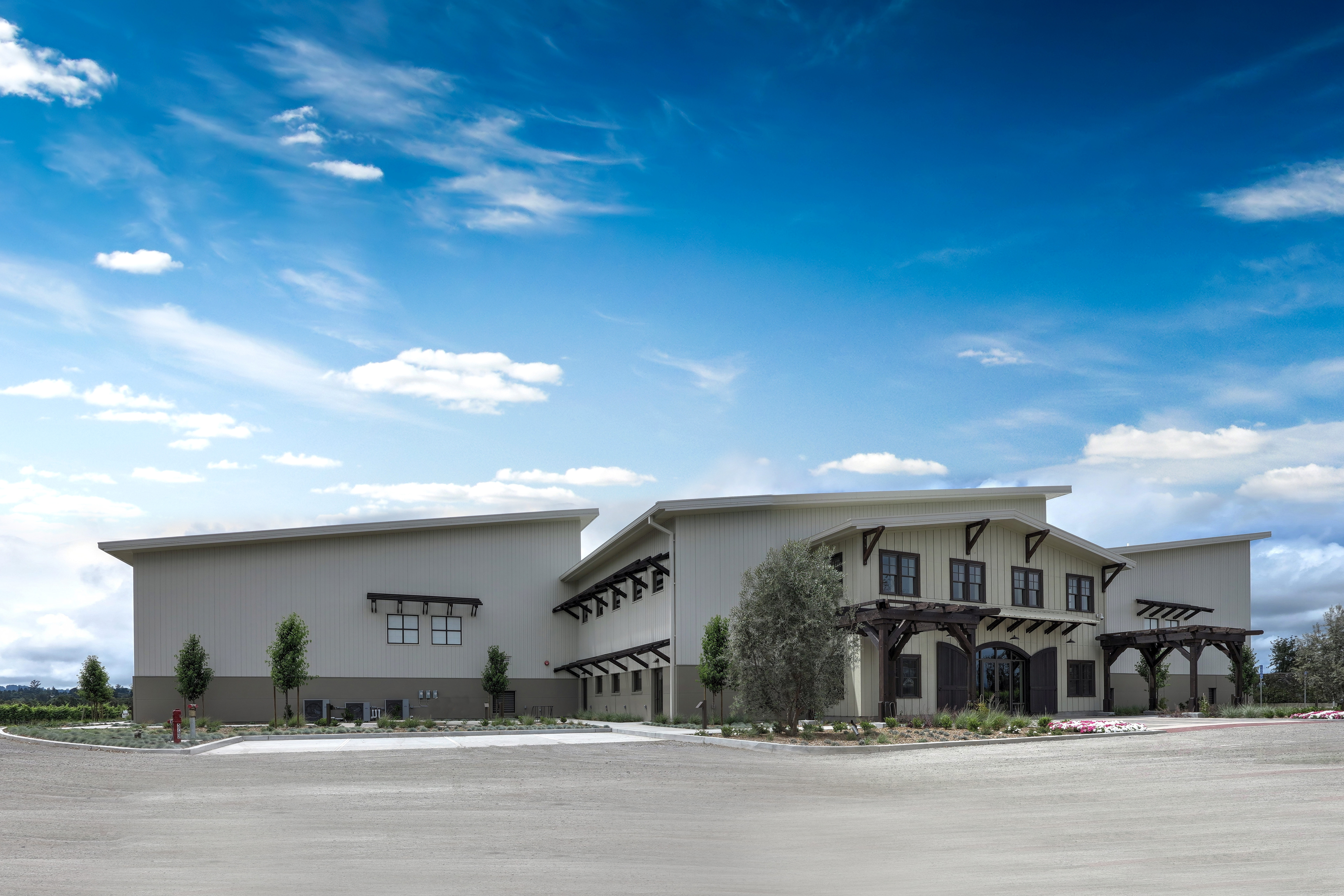
“Metal building systems now account for over one-third of new low-rise, nonresidential buildings in the U.S.,” proclaims the 2020 annual report of the Metal Building Manufacturer’s Association (MBMA). The reason for this is that the benefits for metal buildings are applicable to such a broad range of end uses such as churches, schools, food processing plants, car dealerships and indoor sports facilities.
Over the decades, metal buildings have evolved, not only because of ingenuity and innovation, but also because their advantages have enormous value. If you look at all the options that today’s metal building systems offer, the lightweight, factory-fabricated steel skeleton continues to be remarkably reliable, efficient and versatile. The savings in time and cost for construction are substantial and the result is a building that is low-maintenance, durable and sustainable for your customers.
Metal building systems are sometimes referred to as pre-engineered buildings but this term is outdated and misleading because each is custom designed. In fact, they are so versatile and customizable that many of today’s projects cannot be easily identified as metal buildings systems by their looks. When you build with metal, you can add instant curb appeal from the virtually limitless choices available in metal panel finishes, coating and aesthetic innovations such as stucco, stone and masonry.
Cost Effective
While the term pre-engineered isn’t necessarily accurate to describe the entire metal building, it can be quite fittingly applied to the structural steel members of those building systems. Rather than designing the structure around standard-sized, standard-shaped pieces of steel (such as hot-rolled I-beams), the rafters and columns are shaped to meet the engineering loads of the building based on project requirements. The steel is pre-engineered before it is formed into shape. This means achieving the same or better structural integrity with less steel, reducing material costs.
Design Flexibility and Expandability
The options available in modern metal building systems are too numerous to list. Metal buildings are great choices for large-sized structures. The framing design makes clear span widths up to about 260 feet cost effective.
When you need to build a large, open structure, the central question is always, “How much square footage can I enclose most effectively?” The fight for the foot is real. Long bays systems enclose more square feet and leaves more of the precious square footage available than ever before by allowing for minimal interior columns. Columns in the long bay system practice serious social distancing, with bays stretching anywhere from 40 to 70 feet. That gives you far more actual, useable square footage per square foot.
The Need for Speed
Economical design and construction are achieved because all metal building components are delivered together from one source: the building manufacturer. Single-source purchases of building elements gives the contractor control over every aspect of building cost, design and construction. Single-source purchases can also provide faster, consistent and more efficient construction with lower life cycle costs than traditional construction like tilt-up, precast or lumber. Comparing a metal building system and traditional forms of construction, consider that many larger buildings can take a year or even two to construct, but it is common to erect a metal building system in two to three months.
From the beginning, a metal building system saves time because the steel can be in fabrication while the site work is being performed, the foundation is being poured, and the concrete is curing. When the steel arrives, pre-drilled and ready to erect, the site can be ready to go, too, and the frame goes up fast.
Many kinds of building projects can benefit from the cost savings, rapid construction and superior performance of a metal building system. As construction professionals become more aware of the benefits of metal building systems, it is likely that even more innovative applications will be found, and that the buildings will evolve further in versatility and capability. And your customers will thank you for suggesting a metal building due to their longevity and durability against the elements, low maintenance and sustainability.
Amy Y. Hawkins is marketing manager at Houston-based Metallic Building Co. To learn more, visit www.metallic.com, call (405) 403-9356 or email ayhawkins@cornerstone-bb.com.