Out-of-plane substrates can cause problems to roofs
 Out-of-plane roof substrates can create real issues when installing standing seam roof panels, so the transition from one trade to the other is critical.
When a metal roof has been chosen for a project, it is clear the building owner and architect are considering the long-term investment of a building. The performance of a metal roof is unmatched, and the aesthetics of a metal roof functions as an architectural feature. That stated, an uneven substrate, also referred to as out-of-plane substrate, will cause problems to both the performance and aesthetics of the roof. Metal roofing material is typically supplied in light-gauge steel, 29-gauge, 22-gauge, which will not hide defects in the substrate.
There are three fundamental areas affected byan out-of-plane roof substrate.
Aesthetics
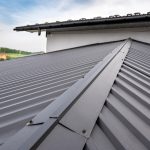
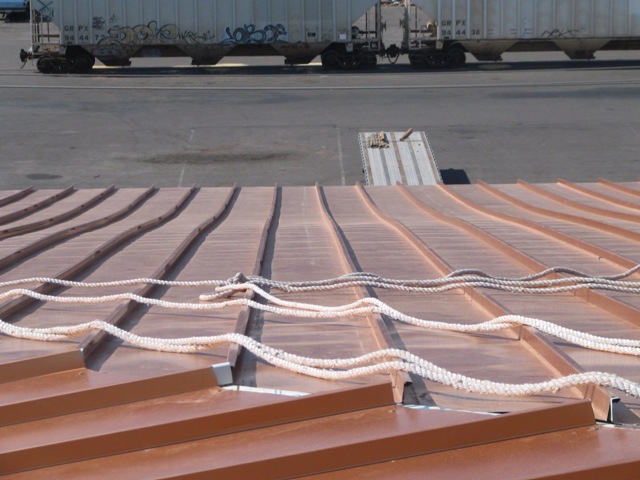
The first issue with an out-of-plane substrate deals with aesthetics. Any unevenness in the roof substrate will telegraph through the steel roofing panels causing a very unpleasing look. This can accentuate oil canning and give an undulating appearance to the metal roof.
Thermal Movement
The next concern is the potential that the uneven substrate could interfere with the panel’s ability to effectively expand and contract under thermal load. This is particularly an issue with standing seam roofing material, which utilizes concealed clips for attachment. Standing seam panel clips are designed to be installed on a relatively even plane.
 An out-of-plane substrate could cause binding points at the clip locations located on the affected areas. This can create an unwanted point of fixity and could prohibit the panel from expanding and contracting at any affected areas of the roof. Expansion and contraction should not be impeded and will still take place, even if the clips are bound or pinned at affected areas of the roof substrate. The strength of the thermal movement in the standing seam panels could result in clip failure or complete panel disengagement from the substrate altogether if the shear resistance of the clip fasteners is compromised.
Performance
The last concern deals with wind uplift performance. If standing seam roof panels are installed on an out-of-plane roof substrate, there is the potential for improper panel-and-clip engagement at the side laps. If the male/female panel leg is not engaged properly, the wind uplift values for the panels can be impacted. This has the potential to create serious problems with a standing seam roof panel’s ability to resist wind uplift pressure. Improper panel side lap engagement can also affect air and water infiltration which can compromise the weathertightness capabilities of the roof system as well.
Industry standards have established that roof substrates should not exceed the following limits for out-of-plane conditions:
• 1/4-inch in 20 feet
• 1/2-inch across building elevation
• 1/8-inch in 5 feet
ASTM E 1514, Standard Specifications for Structural Standing Seam Steel Roof Panel, Article 5.2.1 states in part, “Deflection and serviceability shall be accounted for. The deflection shall be limited so as to allow the roof to perform as designed. The substrate deflection shall not cause strains to the panels that affect serviceability of the system.”
The transfer of ownership clauses in project contracts are becoming a huge factor, in recent times, with regard to out-of-plane substrates.
Solution
When the roofer/sheet metal subcontractor takes over the substrate and commences its scope of roofing work, typically there is an inspection by a qualified representative. The subcontractor representative should be authorized to accept the substrate or reject questionable areas that may need reworking by the appropriate previously responsible trade.
If subcontractors do not do this and start installing material, they are essentially accepting whatever conditions they are given with no recourse. Additional labor cost can be incurred to correct other trades’ installation issues. Inconsistent joints, seams, and framing will always transfer through to the roofing material and create issues which the installer becomes responsible for at theinstaller’s expense.
Jeff Haddock is technical representative at AEP Span, Fontana, Calif. To learn more, go to www.aepspan.com.