Are you looking to add metal roofing to your existing roofing business? Maybe you’re looking to increase your profitability and decrease the lead time and avoid shipping damage that occurs when you buy prefabricated panels. There are many things to consider—with the type of equipment needed being one of the most important.
Important considerations when choosing rollforming equipment
What Kind of Equipment
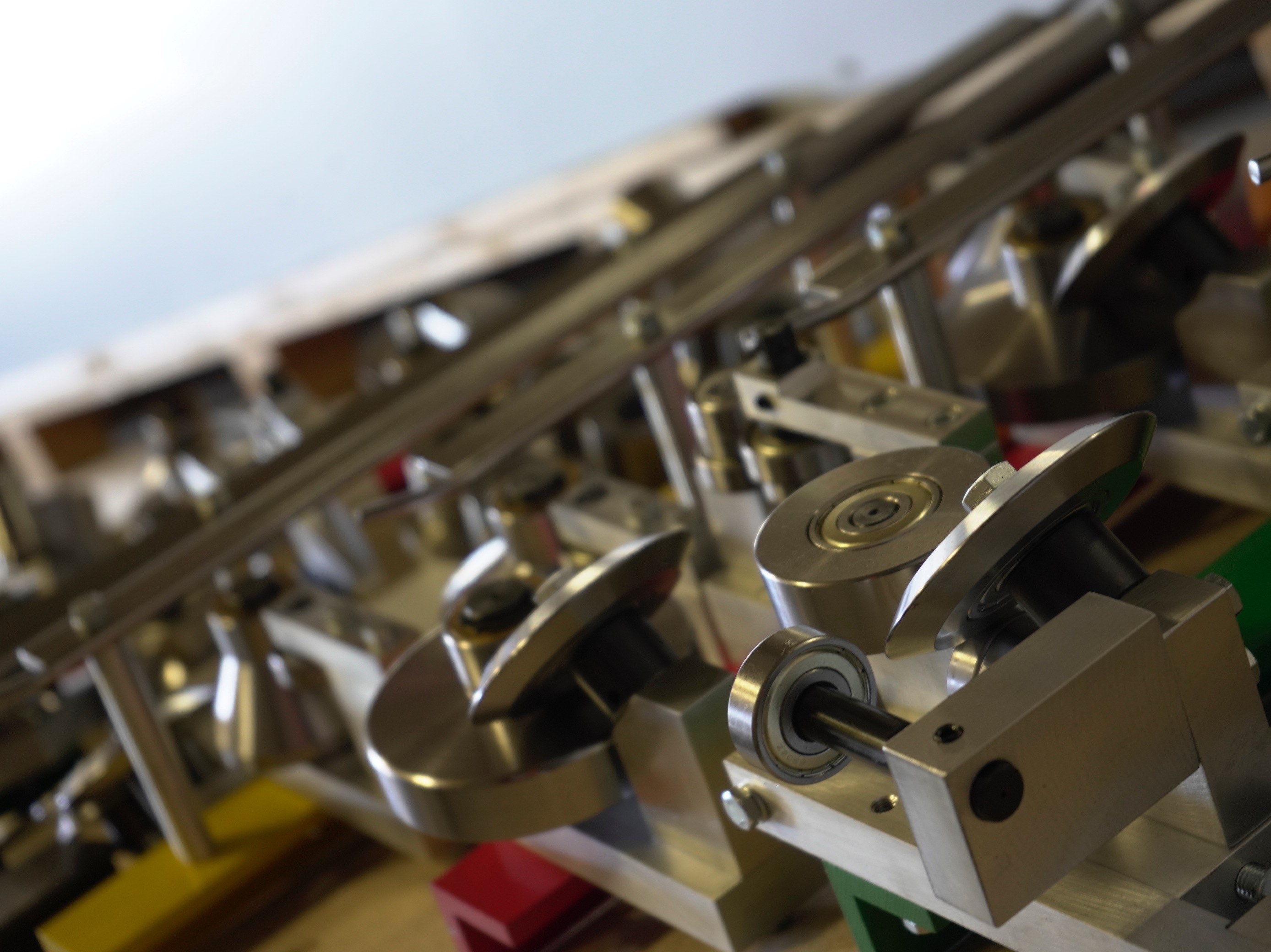
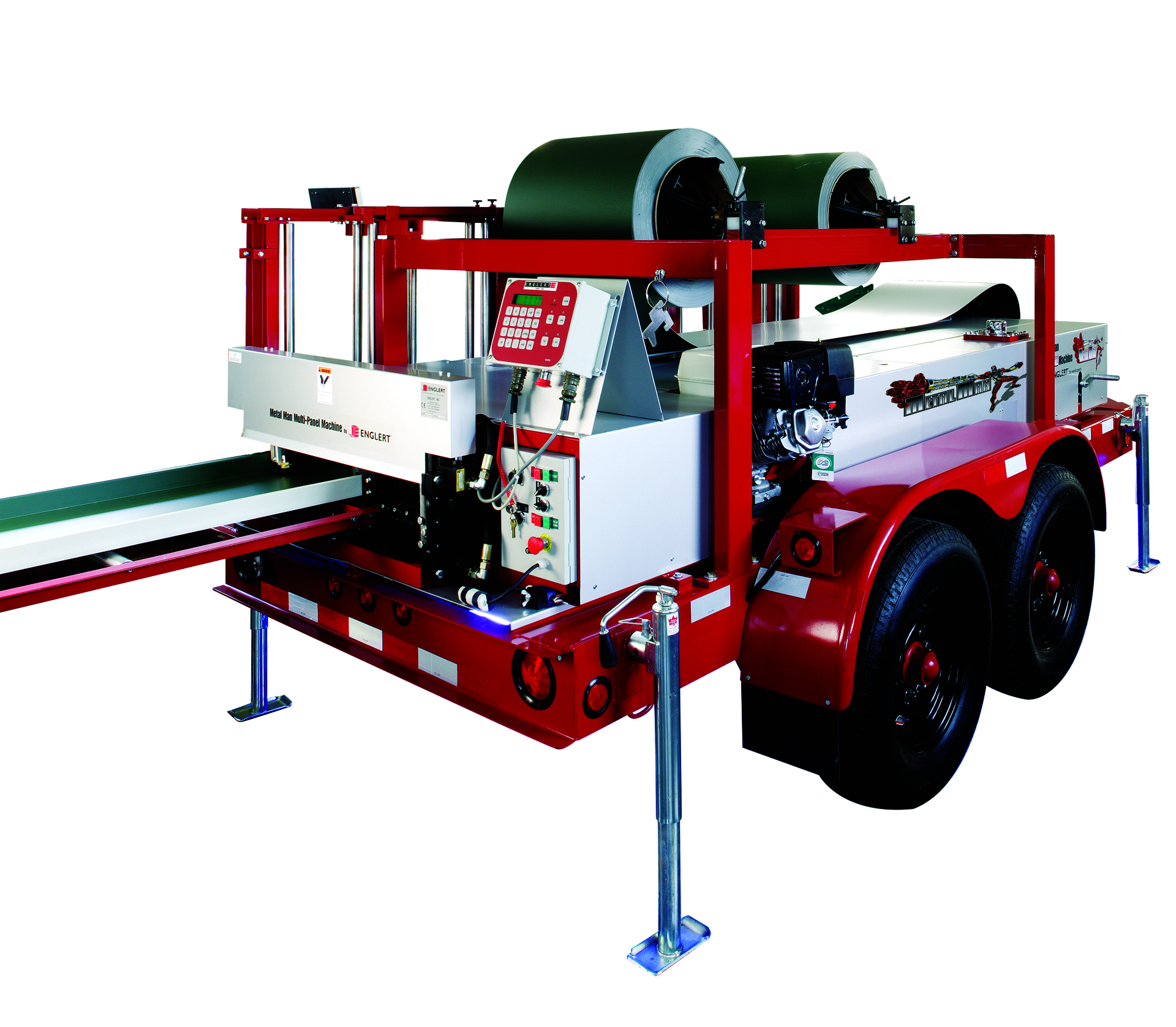
A used, well-maintained, basic portable rollforming machine can be found for around the same price as a new, nicely equipped ATV. A new, more versatile, in-plant rollforming machine may be priced closer to that of a new home.
Purchasing the wrong machine will adversely affect your business. Rollforming machines are not new. The recent surge in their popularity; however, is exceeding most rollforming manufacturers expectations. Used machines hold their value. You will notice there is not an abundance available for resale. It is not uncommon to find a well-maintained machine in the field that is more than 30 years old.
The initial reaction when roofers consider rollforming their own panels is usually, “I’ll cut out the middleman” or “If I had a machine, I could lower my prices!” We should not encourage people to get into the business for those reasons. Lowering your price because you think you can is not normally a good business practice. Many roofers don’t consider hidden costs such as storage, material handling issues, training and maintenance. You’ll like still need to purchase or separately manufacture your own accessories like dripedge and Z-closures.
It is important to carefully examine the specs on the machines you’re considering. The thickness it runs, substrate types, the alloy of the material you use; all these are things you’ll want to review. A good rollforming machine manufacturer can help you answer questions or direct you to the resources to ensure your success.
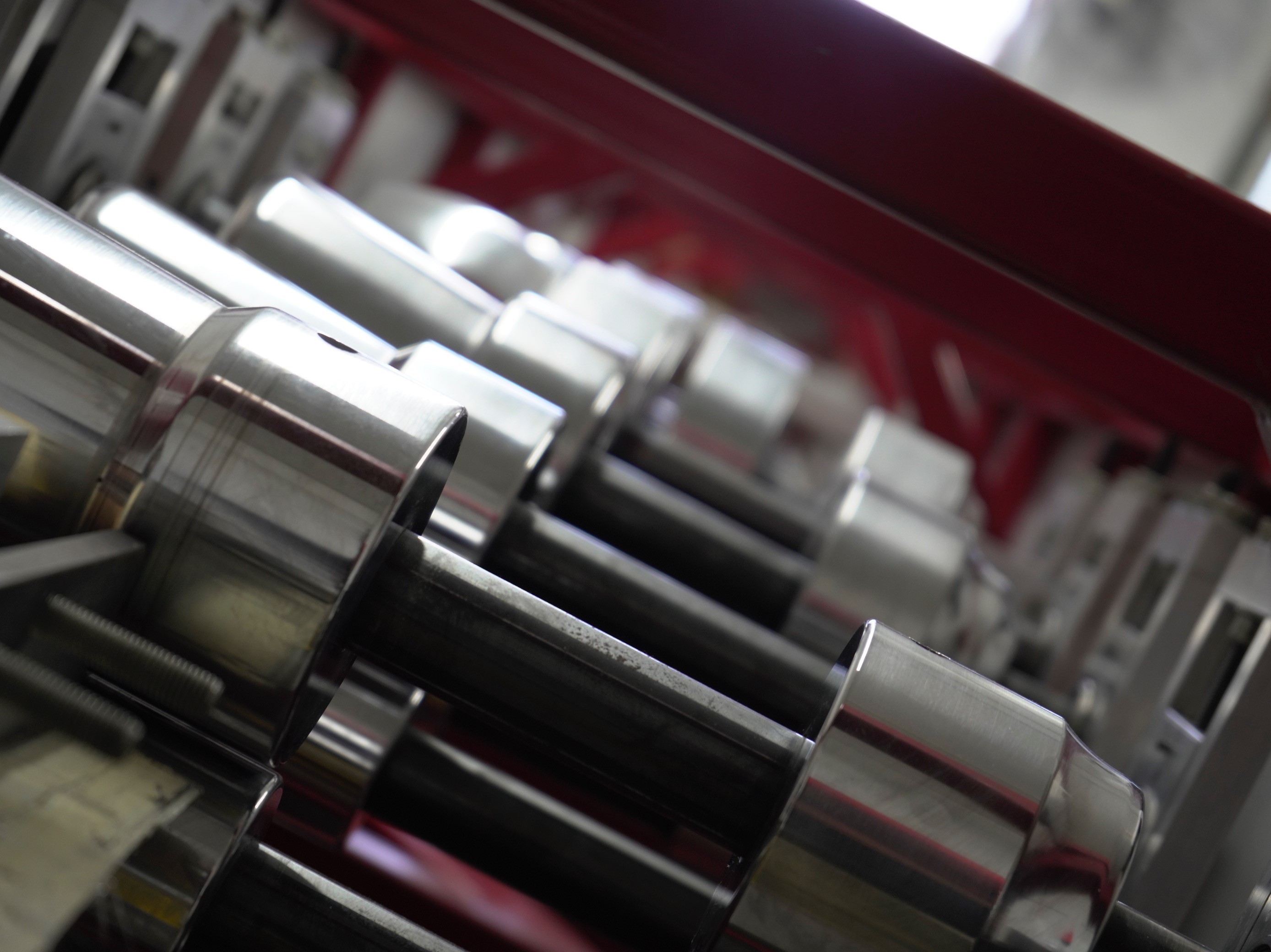
Many roofers lean more towards either residential or commercial roofing. Are there residential machines or commercial machines? Chances are they are one and the same. A basic machine may require the operator to have a hand shear to make a clean panel cut. A more versatile machine may have a computerized batch controller allowing you to be able to run multiple jobs and automatically cut the panel to length.
Other questions to consider are: Do you need a trailer? Will I need a CDL to transport? How will I load a 2,000-pound coil of metal (or more)? Will my local supplier load my machine?
Misconceptions
You will also have to be prepared to take on some of the nay-sayers speaking about misconceptions in the industry. You will encounter them in both the manufacturing and architectural forums and learn how the field is growing and changed from the past. Deciding where you will be purchasing your material to run through your machine will be just as important to help make your new business a success. Can you get material locally? Is there a material supplier selling through direct sales or through a distributor partner? Will they load my coil?
The rollforming manufacturer you are working with knows that the panel quality produced by using a good quality coil stock on even the most budget-minded machine should produce the same quality panel. The more costly machine may be faster, more adaptable and provide an infinite amount of adjustability but the adage of “garbage in … garbage out” will apply. There is an abundance of machine choices for use in either in a factory or job-site scenario.
Some of the largest and most well-established metal roofing companies have some of the most basic rollforming machines. It is not uncommon for a roofing company to have up to 10 rollforming machines for use independently with different installation crews. At the same time, some of the largest and most well-established rollforming installation contractors may have some of the most technologically advanced machines. You may see a sole machine providing panels for multiple crews. In-plant machine rollformers swear crating and shipping panels is the way to go while mobile machine operators cannot imagine a world without on-site forming.
The diversity of the rollforming selection has never been better, sales of these machines have never been more popular and the choices will boggle your mind. To summarize, machine selection is just as important than deciding to enter the portable rollforming market. Hopefully, you have a good understanding about some of the questions that need to be asked to ensure your success.
James Hazen is national roofing sales manager at Englert Inc., Perth Amboy, N.J. To learn more, visit www.englertinc.com or call (732) 646-4915.