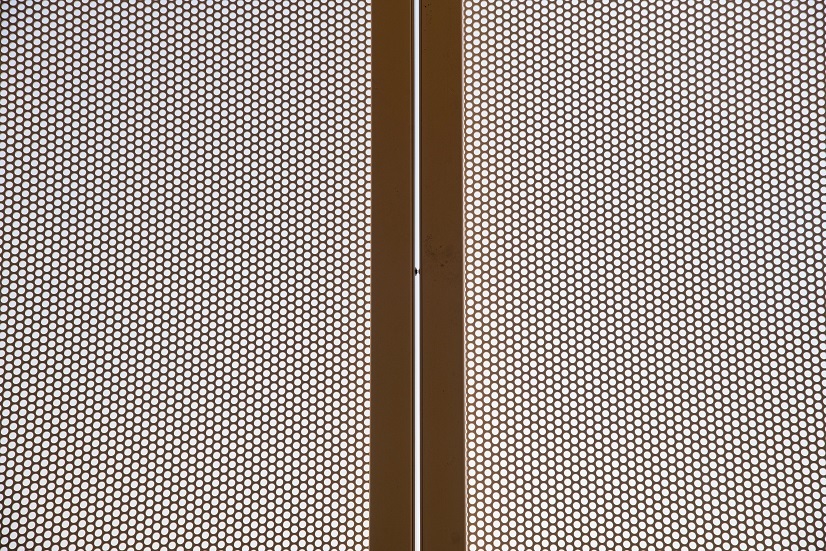
Aluminum perforated panels have exploded in recent popularity as architects and designers look to achieve visual interest, light control, privacy and sound reduction in their projects.
Providing visual interest, light control, privacy and sound reduction
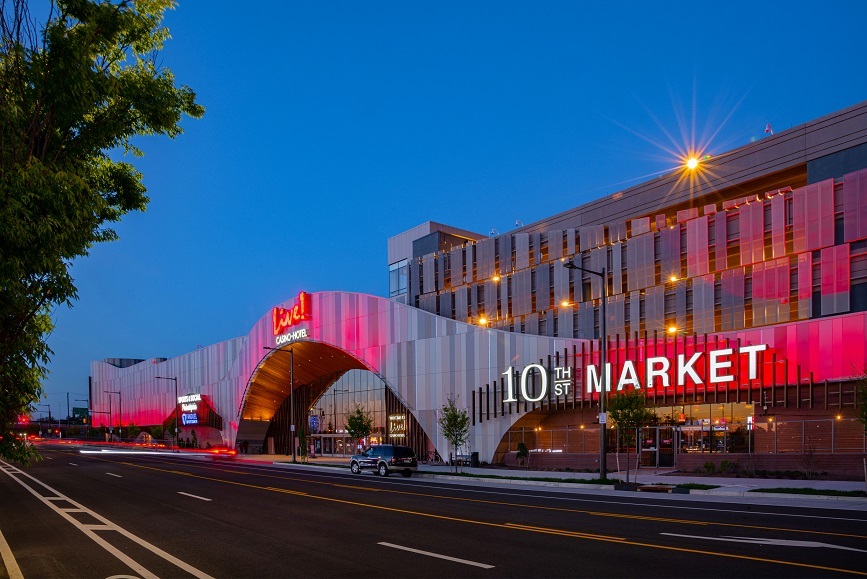
Perforated panels can welcome or hide a view while transforming the space with an artistic element. There are thousands of options to choose from using round, square, slots or any shape used in straight, staggered or random patterns.
Benefits and Applications
Perforation equipment varies, but the most common types are CNC and gang punches. These are most typically used for high volume and repeating patterns. For more custom perforations and patterns, a waterjet or laser could also be an option. Custom perforations achieved by a waterjet or laser offer a unique opportunity for creativity and design flexibility by utilizing multiple size holes on a single panel or creating unique shapes and designs.
When perforated panels are incorporated in a curtainwall system, occupants may find that filtered daylight rather than a harsh glare is more conducive to work performance, providing more comfortable and consistent interior temperatures.
Architects are turning more and more to perforated panels for parking garages. They enhance the structures overall aesthetic appeal, hiding bare concrete levels while also offering vehicles and users a degree of protection from inclement weather and extreme temperatures.
Utilized as an equipment screen, perforated panels camouflage unsightly air units, ductwork or plumbing while allowing access for maintenance purposes. Custom perforations are also used to create signage, logos and images to enhance a building’s feature wall or focal point.
Because aluminum is 100% recyclable, perforated panels are part of a sustainable and eco-friendly structure, adding to LEED points while enhancing the structure’s beauty. Perforated panels that are PVDF post-fabrication painted offer the best product to combat oxidation and harsh conditions. The inside edges of the perforation receive a full PVDF coating versus those that are punched from coil coat aluminum where the edges are exposed.
Factors to Consider
There are several factors to consider when selecting perforated panels for your project:
• Thickness of metal
• Metal alloy
• Hole sizes
• Hole spacing
• Border/no border
• Formed/no formed returns
• Required stiffeners
These considerations will play a major role in the visual aesthetics of the finished product and its flatness. There are two easy rules to remember:
1. The hole diameter should be greater than the material thickness.
2. The bar width (metal between the perforations) should be equal to or greater than material thickness.
Consult your fabricator on the best attachment method, steps to conceal stiffeners and add any structural supports required. The concept of equivalent solid material might be used when analyzing design criteria for perforated panels. The panel engineer might also consider the pressure reduction factor provided by the ASCE7-16 Design Provisions. As the old saying goes “When in doubt, make it stout!”
Scott Samson is national sales manager for Villa Rica, Ga.-based American Metalcraft Inc. To learn more, email scott@americanmetalcraft.com.