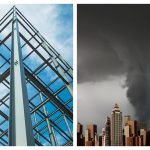
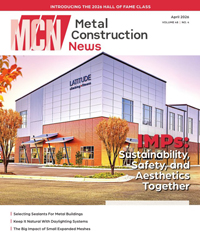
At first glance, most people don’t think of metal building systems as a sustainable product, but the reality is much different. Steel building systems inherently provide the basis for a meaningful environmental program. Today’s steel building systems contain high levels of recycled content, ranging from 64% to 97%, depending on your product mix. And, at the end of its life, you can recycle the building again. According to the American Iron and Steel Institute, the overall steel recycling rate in 2019 stands at 69%. A 2015 MBMA study by Walter P. Moore and Associates concludes that metal building systems outperformed all other forms of construction for life cycle analysis and lowest material impact on the environment.
Outstanding life cycle analysis and low material environmental impact and just two metal building advantages
The steel building system process reduces the amount of product waste. Because all the building parts are manufactured to size, you have less waste on the job site. The durability of a metal building also adds to the resilience of your structure. The Metal Building Institute now pegs the life of a metal roof at 60 years. Not only do you have reduced maintenance costs, but you’ve also eliminated the need for landfill space for multiple roof replacements.
Today’s building systems also make it possible to better predict your energy use over the life of the building. Tested assemblies give you the ability to forecast your energy use more accurately.
In buildings, a wall consists of many different material layers. The U-factor of the assembly considers how the heat moves into and out of your structure. The R-value of your insulation layer is simply an estimate. For instance, compression of the insulation would reduce its effectiveness.
Solar Systems Push Sustainability
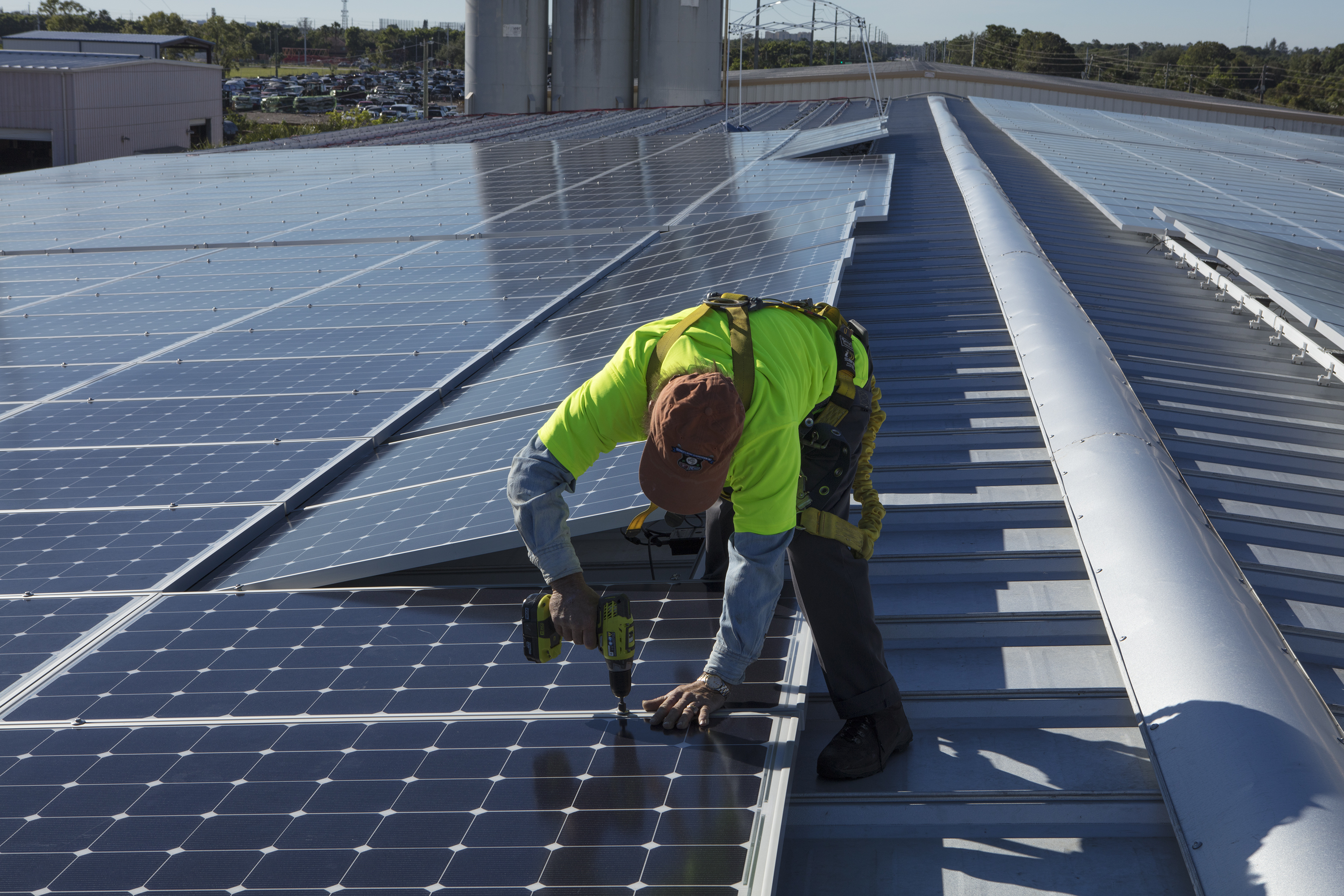
Adding alternative energy sources like solar systems to your building also enhances your push for sustainability. Here’s a quick guide to adding solar panels to your roof.
Don’t forget to leave walkways in your system. It allows for easy replacement of any solar panels and to perform maintenance on both your roof and any rooftop units.
Avoid rooftop units. Large units can cast a shadow, affecting the performance of your solar system. Preferably, design your structure with some continuous space for solar panels.
Avoid shaded areas. If surrounding structures, terrain or vegetation will shade your roof for significant periods of the day, it is not suitable for a solar array.
Consider the life expectancy of your roof. A new metal roof should have two to three times the life of any solar panel, but make sure any existing roof has at least 20 to 25 years of viable life expectancy.
Design for proper airflow. Maintain at least 4 to 6 inches of space between the panels and the roof system to allow for airflow to cool the panel.
Today’s solar panel systems are easily attached to the high rib of the standing seam without expensive and heavy racking systems that will add excessive loads to your roof. These clamp-and-bracket systems assist with wire management and clamp to the roof’s standing seam. Thin-film solar systems are much lighter but attaching them to the panels themselves will often invalidate your roof warranty.
Geothermal Heating and Cooling
Geothermal heating and cooling systems are also a great energy alternative. A geothermal system saves up to 70% for heating, cooling and hot water. It also avoids outdoor equipment that needs to be maintained. The operating unit of the system is inside the structure and there is no external compressor necessary which reduces operating and maintenance costs.
The alternative energy focus can also be extended to lighting. Combining a daylighting system with LED lighting and controls will reduce your lighting costs by up to 70%.
The use of natural light will also enhance the workplace and improve your productivity. There’s no need to complicate the daylighting process. There are readily available analysis tools to forecast daylighting conditions year round. And don’t waste money on daylighting features if you don’t control the artificial lighting first with photosensitive controllers.
Addressing sustainability in your construction program will increase your initial costs. But 90% of the total cost of ownership of any structure happens after initial construction. Your sustainability program should be aimed at reducing the ownership costs over the life of the building and helping the environment at the same time.
Bruce Bortree is a builder engagement manager at Butler Manufacturing, Annville, Pa. To learn more, visit www.butlermfg.com, email blbortree@butlermfg.com or call (717) 867-3293.