Clay tile roofing can be dated back to 10,000 B.C. in China and the Middle East. Throughout mankind’s history, it is a product that is found worldwide in building construction— sometimes for authenticity and aesthetic appeal. And other times, for its longevity and accessibility in regions around the world with conducive and tropical climates. Very heavy, multicolored and earthy, clay tile roofing comes in a variety of shapes and sizes.
Technology and engineering have expanded the use of metal roof products
History also has a sweet spot for metal roofing as it was also utilized on temples in Sri Lanka and buildings such as the Roman Pantheon in the time frame around 3000 BC. Those were copper roofs and often reserved for government or religious buildings for aesthetics and longevity. Increasing with intensity, metal roofs are specified and utilized on projects where durability, aesthetics and longevity are highly valued.
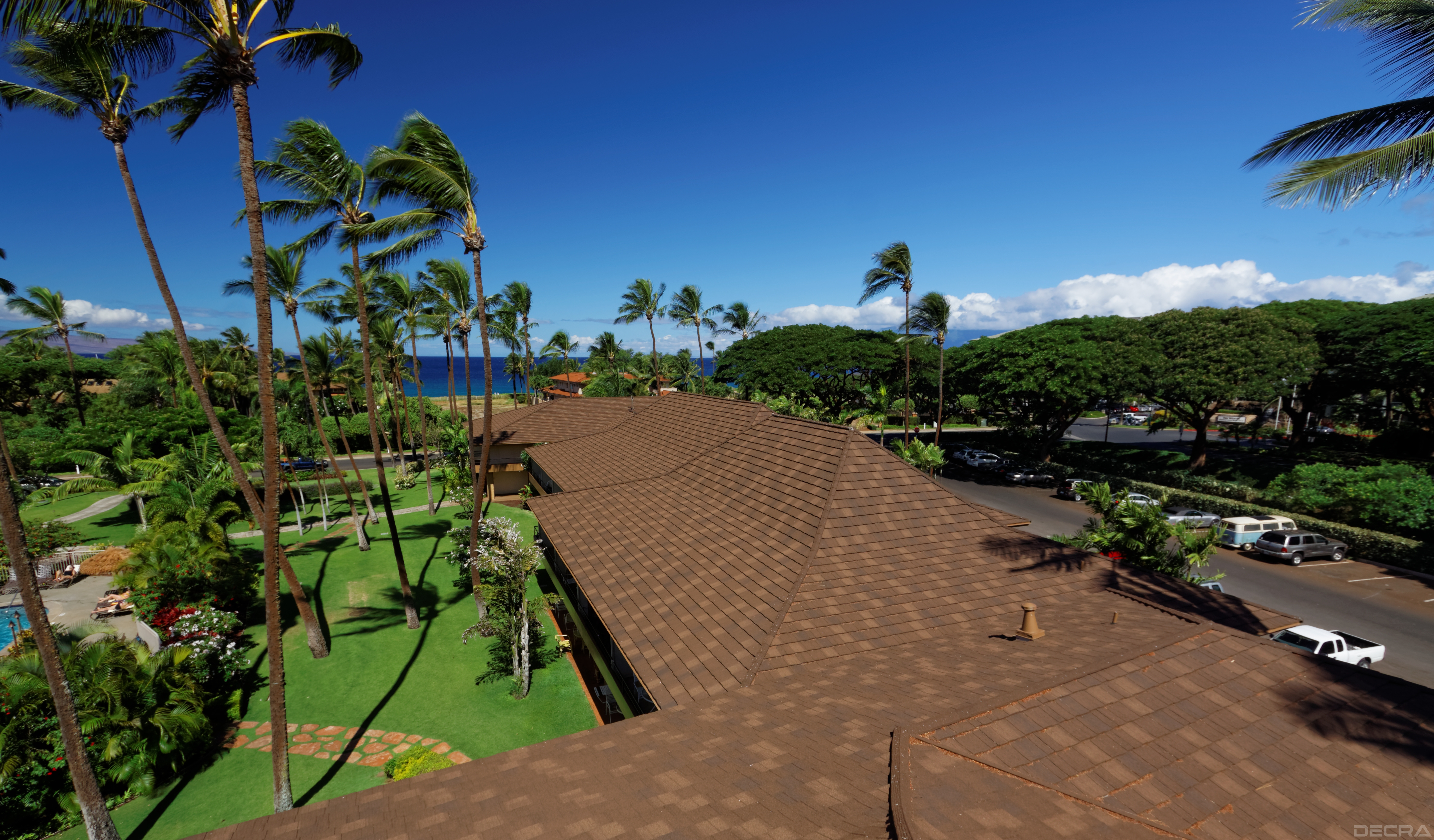
In a world of modern technology, metal roof products over the course of the last 100 years have expanded tremendously due to technology and engineering. They now come in a variety of shapes, sizes, colors and coatings. While metal roofing is becoming more recognized by architects and end users as a roofing product solution, there is still a plethora of products in the metal roofing realm not easily recognized due to their camouflaged nature. The category of metal roofs to reference to this point is stone-coated steel (SCS). SCS is a product with a 62-year history with ceramic roof granules bonded into an acrylic basecoat onto the metal panels. The birth of this products dates back to World War II.
Manufactured to cater to the appeal of wood shakes, clay and concrete tiles, shingles and even slate, these products offer a very cost-effective and a viable solution for a variety of reasons and attributes too long to list here.
We all know that products can look good on a sample board or in a photo. But how do they install? That is the key to the success of any building product! Many installers who have installed standing seam claim that the direct-to-deck SCS products are a level or two down on the degree of difficulty compared to a standing seam roof.
Why? The answer is that stone-coated panels are smaller in size (16 inches by 52 inches average) and they are easy to walk on. The concept behind the install is similar to vinyl siding; cut the panels with a saw or shear and fit them into a channel. Windy day? Hot? Cold? If the human body can handle the elements for an install, SCS is a product that will handle the install also. Too small for expansion and contraction coefficients to affect the products, the cold and heat are not an install factor to be concerned about.
The Three Product Families
Direct-to-deck profiles: barreled tile, wood shake, shingle, slate Manufactured with a clip lock system, these are the products in which the panels interlock and the screws holding them to the deck are concealed by the course above. Valleys, rake channels, sidewall channels, trim caps and flashings are all available in matching colors.
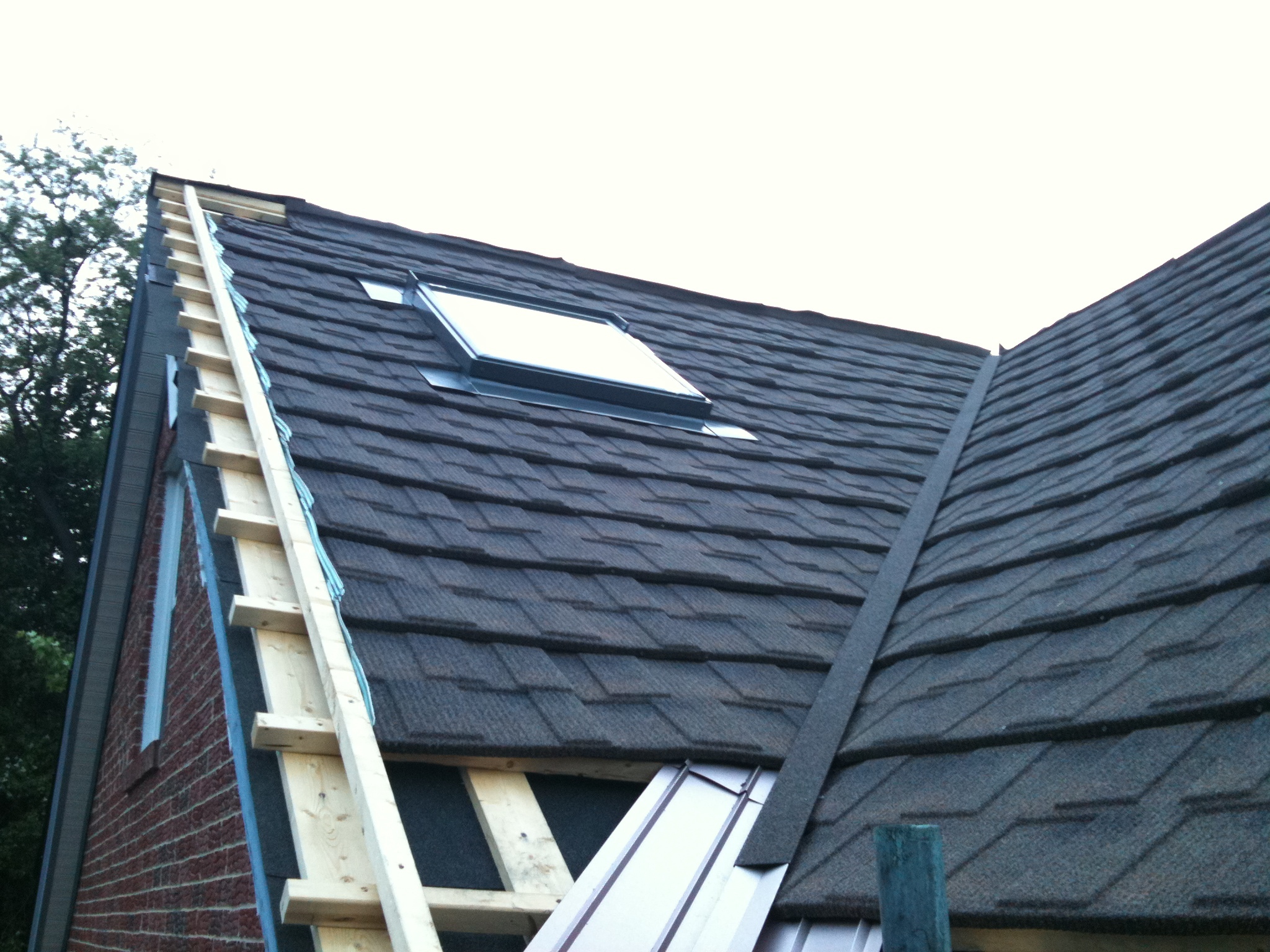
Batten systems: tile, shake, shingle Installing on 2×2 battens or steel hat chats over decking, these products are often laid from the ridge and the battens assist as a ladder. Fasteners are exposed but should be colored for concealment. For increased Above Sheathing Ventilation, utilize a counter batten system with 1x4s.
Hybrids (batten or direct to deck): shingle, barreled tile
Functionality of these is terrific. These products have the exposed colored fasteners, which some people prefer not to have. Think of a roof facet where the deck sags. Utilizing this product on a batten system, the sag can be completely removed.
Lightweight, energy efficient, Class IV impact resistant, wind ratings up to 160 mph, and coming in a variety of color blends and profiles, all of these product families are a cost effective means of providing metal roofing to your clients without the look of metal.
Jim Sardegna is the light commercial manager, Americas, at DECRA Roofing Systems, Corona, Calif. For more information, visit www.decra.com.