Stone-coated steel roofing is manufactured from Galvalume steel then coated with stone granules that are applied with acrylic polymer adhesives. The result is a lightweight (1.5 pounds per square foot), durable and cost-effective roofing system that offers the strength of steel and is suited for new construction and re-roofing alike. The material comes in numerous profiles and colors, mimicking traditional shake, slate, tile and shingle roofing.
Weather resilience and installation tips for best performance

A stone-coated steel roofing system, installed with the proper underlayment and attachment process, provides safety, comfort and protection from some of the most severe climate conditions. With ASTM Class 4 impact ratings that can withstand 2-inch hail stones, stone-coated steel roof systems are among the best roofing materials for withstanding devastating hailstorms that impact many regions of the country.
As shown by testing results to ASTM-E108, stone-coated steel roofing also helps protect structures from fire spread. Metal roofing can achieve a Class A fire rating when used with specific underlayment materials. Steel provides extra protection from wind-driven embers, common during urban firestorms.
With modular design, batten sub-structure and fastening patterns, stone-coated steel has been proven to withstand severe wind events including various hurricanes and tropical storms. Most carry warranty coverage for wind speeds up to 120 mph. Many are tested to meet codes for the most stringent wind regions, such as Miami Dade County, Fla., where requirements reach as high as 180 mph.
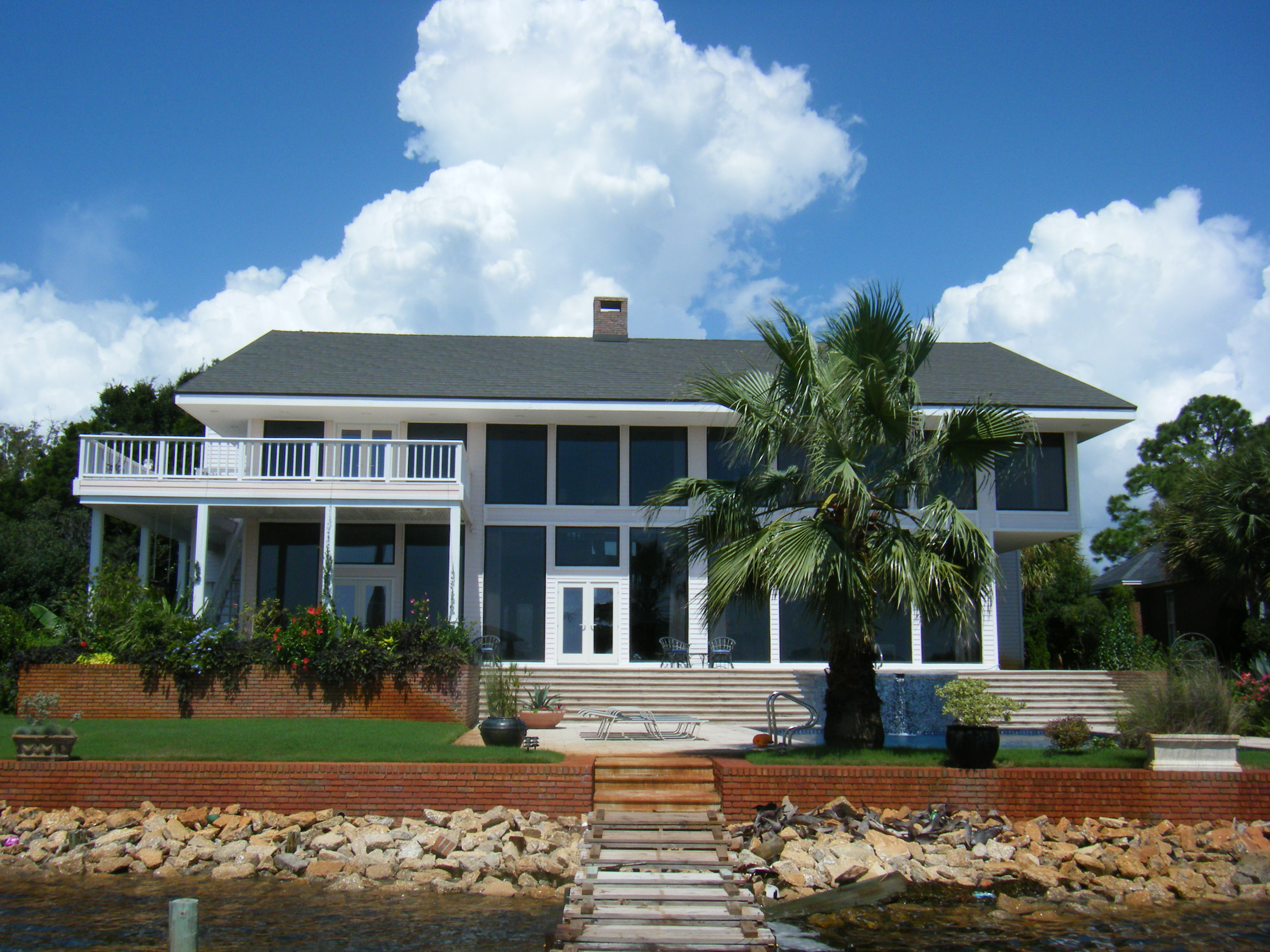
Photo courtesy of Boral Roofing
In cold climates, ice dams are a design concern. They occur after heavy snowfall when warm air in the attic warms the roof causing snow melt. Water running down the roof freezes when it reaches the colder roof edge, forming an ice mound. An elevated system, or above sheathing ventilation (ASV), roof system can help equalize the temperature between the snow and the structure, minimizing melt and freeze snow cycles, reducing ice dams.
In the sunbelt region, the amount of energy usage to cool a structure can be costly. ASV provides above-the-deck air flow and insulation, helping mitigate heat transfer from the exterior to the interior. With ASV, less energy is required to cool the home.
Installing Stone-Coated Steel Roofing
Stone-coated steel roofing may be installed with or without battens. Following is guidance for installing the batten system, which provides best performance against hail, fire, wind, ice damming and heat transfer.
Tools
It is recommended to use a specialized cutter to cut the panels and a panel bender to form the panels. Other recommended tools for panels include an impact driver for the screws, red and green aviator snips, 3-inch hand seamers and soapstone (used to mark panels). Tools for the battens include nail gun, saw, hammer, tape measure, caulking gun, string line and a standard screwdriver.
Walking on Your Roof
Appropriate OSHA-approved fall protection must always be utilized when walking on roof panels. Place your feet over the front lip of the stone-coated steel panels, where they are supported by the battens. Avoid walking near the panel side-laps. Always follow manufacturer’s safety guidelines.
Fasteners
Stone-coated steel panels, installed on battens, use fasteners which are installed into the panel nose and into the batten. This location protects the fastener from rain runoff. All fasteners must meet or exceed corrosion resistant standards defined in ASTM B-117. For High Velocity Hurricane Zone areas, refer to manufacturer instructions and local code requirements.
Underlayment
The minimum underlayment requirements are a single layer of an ASTM D226 Type-II (No. 30 Felt), head lapped 2 inches and end lapped 6 inches. Other underlayments are acceptable, if they meet or exceed the designed minimum.
Roof Deck
The minimum decking for most stone-coated steel roofs is 15/32-inch-thick solid sheathing across the entire roof surface. For new construction, the sheathing must be plywood, OSB, close-fitted sheathing or spaced sheathing that complies with the applicable code. The panels may be installed over open rafter/truss construction provided the structure is engineered and designed for the required span and loading for the area, and when local and international building codes allow.
Sealant
Only exterior-grade urethane or non-acidic silicone sealant should be used.
Ventilation
Ensure that proper attic ventilation is achieved as prescribed by local codes. Vents or ridge venting may be installed to help achieve adequate ventilation.
Dissimilar Metals
To avoid adverse corrosion effects caused by dissimilar metals, copper and lead flashings should not be used with Galvalume steel panels and accessories.
Finish Coating
Minor scuffing of the stone-coated finish may be repaired with a touch-up kit. Use an approved sealant for repairs. Colored aerosol paints should never be used as touch up. Unfinished flashing material can be painted with durable acrylic paints.
Robin Anderson is the technical manager of Boral Roofing LLC, Irvine, Calif., an industry leader in steel, clay, concrete and composite roof systems. Visit www.boralroof.com.