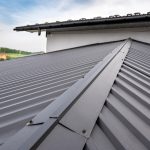
In the fight against home damage, the underlayment is the last defense standing between a house and moisture intrusion. While unnoticed by the typical observer, underlayments are a very important feature in a complete roofing system.
The correct underlayment ensures a roof’s strong foundation

A roof system is more than just what the homeowner sees when the project is complete. A modern roof system consists of multiple components, including underlayments, accessories such as drip edge and hip and ridge caps, ventilation and the metal roofing itself. Underlayments go down on top of the deck, creating a moisture-resistant layer to back up your metal roofing.
The Move from Felt to Synthetic
For many years, felt paper was the most popular type of shingle underlayment in the roofing industry, but as the building materials industry continues to advance, synthetic underlayments have emerged as the material of choice. These underlayments utilize synthetic polymers like polypropylene or polyethylene, which are used in a large variety of products, such as food containers, rope and other household items.
Synthetic underlayments are lighter in weight and offer superior water resistance and strength—so much so that high-end synthetic underlayments can serve as temporary, short-term roof covers.
Many synthetic underlayments are extremely resistant to UV damage and can be left exposed to weather up to six months, depending on the manufacturer. This can accommodate fits and starts in construction due to weather or permitting delays.
Not all synthetics are the same, nor can they all be used under metal. A high-temperature synthetic underlayment is a smart choice for metal roofing, as the underside of metal roof panels can become very hot. A metal-roofing specific underlayment will also have a smooth, non-granulated surface, which is necessary to avoid scratching the back of the metal roof panels.
A Complete Roofing System
In a modern roof system, a professional contractor will actually install two different underlayments to maximize protection from the elements. The first underlayment is a waterproof ice-and-water membrane that is installed along the perimeter of the roof to protect from ice damming. Ice dams affect poorly ventilated roofs during cold weather when hot air trapped in an attic melts snow that refreezes near the roof edge. The freeze-thaw cycle of ice dams can push apart the components of a roofing system, creating an entry point for moisture.
The waterproof ice-and-water membrane also gets installed where roof planes meet to form valleys, which naturally channel high water flow in wet weather, as well as in other roof penetrations such as dormers, skylights, plumbing vents, roof-to-wall intersections, etc. This barrier is an important step in maintaining the integrity of the entire roof system and preventing serious water damage to ceilings, insulation and walls.
From the underlayments to the panels, roof manufacturers design their system components to work together as a unit. A unified roofing system that includes metal roofing, underlayments and accessory components, and ventilation from the same manufacturer ensures the critical areas of the roof are protected from leaks—and that attic ventilation is properly configured, improving roof longevity. It will also save the homeowner money and time by reducing the likelihood of repair calls after installation.
While most building codes require the use of underlayments in roof installation, knowing more about underlayments and how they function will ensure that your roof is built upon a strong foundation.
Dale Walton is manager, residential product marketing, CertainTeed Corp., Malvern, Pa. To learn more, visit www.certainteed.com or call (800) 233-8990.