


The use of metal in architectural applications and building design offers exciting possibilities for beautiful, versatile, and robust designs that both catch the eye and deliver exceptional performance. Choosing the right coating system and color is vital to ensure the optimum performance and durability from metal applications.
In addition to their aesthetic appeal, metal coating systems also offer substantial performance benefits. They ensure maximum gloss and color retention because of their durability and improved weatherability, keeping buildings looking newer for longer.
When it comes to choosing a paint system, there are several key factors to consider. For instance, surface preparation is key. Proper surface preparation is crucial for good adhesion and longevity of the coating. Contaminants like rust, mill scale, and grease must be eradicated before any coatings are applied.
Corrosion resistance is equally important. Metal structures are susceptible to corrosion from exposure to moisture, chemicals, and other environmental factors. The selected paint system must provide effective corrosion protection, especially in harsh environments. Similarly, coatings on metal structures may be subjected to abrasion, impact, or other mechanical stresses, which can cause damage or premature wear. Coatings must have sufficient toughness and flexibility to withstand these stresses.
Paint systems for metal application must adhere well to the metal substrate as well as maintain cohesion within the coating layers. Poor adhesion or cohesion can lead to premature failure, such as blistering, peeling, or cracking of the coating.
In addition, factors like temperature, humidity, and surface conditions can affect the application and curing of coatings on metal structures. Proper application techniques and environmental controls are therefore essential for achieving the desired coating performance.
Colorful considerations
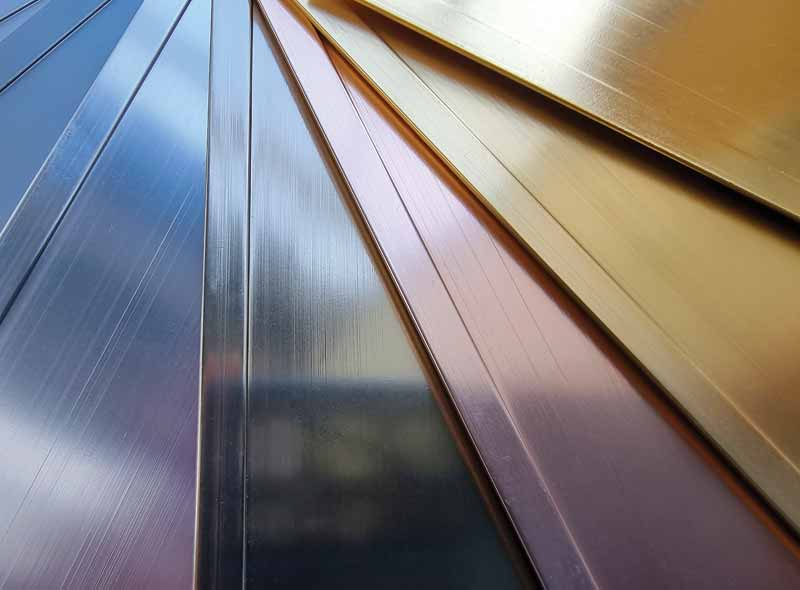
Achieving the desired outcome in terms of performance and aesthetics is not only about choosing the right coating. There are equally important factors to consider when it comes to color, too. Color can transform the ordinary into extraordinary, but only if it does not fade, chalk, and submit to the elements.
Every industry uses color and palettes in a different way. In metal coil and extrusion coatings, for example, specifiers and end-users need coatings that enhance performance, help with indicating the longevity of the structure, and provide excellent aesthetics, while also combining well with other colors in and around their buildings.
One of the most fundamental considerations is color durability and fade resistance, particularly for outdoor applications. The pigments used in the coating must be able to withstand extremely harsh outdoor conditions and prolonged UV exposure without degrading prematurely. UV exposure can cause chalking, fading, or discoloration of the coating, so it is vital that coatings are resistant to UV radiation and maintain their color and gloss over time. Inorganic pigments tend to be more durable than organic pigments for exterior applications.
The color should complement the surrounding environment, architectural style, and desired aesthetic, too. Bold or distinctive colors can create visual impact but may be more prone to fading. To prevent this, silicone modified polyester (SMP) and polyvinylidene fluoride (PVDF) resin systems are specifically formulated to protect against UV rays and environmental factors. Depending on the specific coating system used, this can add cost to the overall project.
Energy efficiency is an increasingly important consideration for both producers and end-customers. Various scientific studies document the energy efficiency of a building is dependent upon many factors, including the building age, occupancy, and the design and selection of construction materials. Research indicates use of more solar reflective materials on roofs aids in improving the energy efficiency of a building. More recently, the studies have concluded that prepainted metals, especially in lighter colors, tend to be more energy efficient. Testing conducted by Florida Solar Energy Center showed white painted galvinized metal roofing saved the most energy by reflecting more sunlight and reducing heat absorption.
Leaders in color
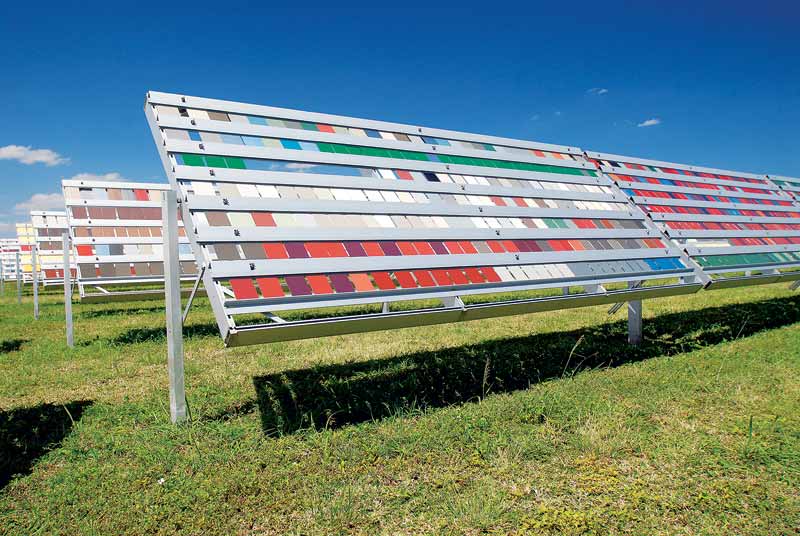
Companies in this field offer innovative metal coating solutions. These solutions empower manufacturers, architects, and designers to craft structures that seamlessly blend modern, captivating aesthetics with exceptional performance. Through a curated portfolio of color options, these solutions streamline the project completion process for specifiers and architects, promoting efficiency and maintaining high standards. This wealth of expertise aids individuals in making informed color decisions to elevate their product performance and stand out in the market. By providing access to versatile systems, colors, and combinations, brands in this industry enable the creation of timeless yet trend-setting designs.
Coatings designed for the coil and extrusions markets, such as those utilizing a high-performance formula of PVDF, combined with premium ceramic and select inorganic pigments, represents an innovative solution. These coatings, available in diverse color and aesthetic options, are ideal for creating eye-catching, standout designs in architectural and industrial applications.
Similarly, advanced coating systems ensure exceptional product performance, meeting industry standards for coil and extrusion applications. These systems use high-performance proprietary resin formulations, extensively tested in real-world conditions to guarantee proven color and gloss retention over time.
Additionally, the coil coatings market can experience the benefits of standardized color palette programs tailored for the industry. These programs aim to simplify operations for coil coaters, service centers, distributors, original equipment manufacturers (OEMs), and regional rollformers. By offering a standard color palette comprising popular industry colors, such programs streamline processes and increase the utilization of standard colors. This reduction in color complexity leads to improved productivity, shorter lead times, and longer production runs for coil coaters. Service centers and distributors also benefit from enhanced operational efficiency, while OEMs and regional rollformers can drive customer satisfaction by offering immediate product availability and improved performance.
The industry benefits from leading expertise in color, but also from advancements in digital color tools accessible through various platforms. These tools represent a new wave of digital resources aimed at aiding architects and specifiers in visualizing colors, textures, and other details with greater clarity. Digital visualization and measurement tools offer a convenient and rapid means to explore the core product portfolio of coil and extrusion coatings available in the market. It includes a variety of features such as color sensor integration, standard color search functionality, color visualization, standard color palette tools, and comprehensive product documentation, assisting users in selecting the appropriate product and color and determining the required paint volume.
High performance, excellent aesthetics, versatile applications, production efficiencies, and stronger sustainability—it is this powerful combination of benefits that is fueling growth in the demand for color in metal coatings, and it shows little sign of slowing down.
Amanda Paterline, AkzoNobel’s coil and extrusion marketing manager for the Americas, is a seasoned professional in the coatings industry. With a wealth of experience piloting products and engaging with end-users, she seamlessly blends technical expertise with strategic vision to craft impactful marketing strategies. Particularly passionate about performance coatings, Paterline strives to balance aesthetic appeal with protective properties, delighting customers. Aligned with AkzoNobel’s commitment to a resilient future through innovation and science-based targets, she is excited about the progress and dedication towards this transformative journey.