

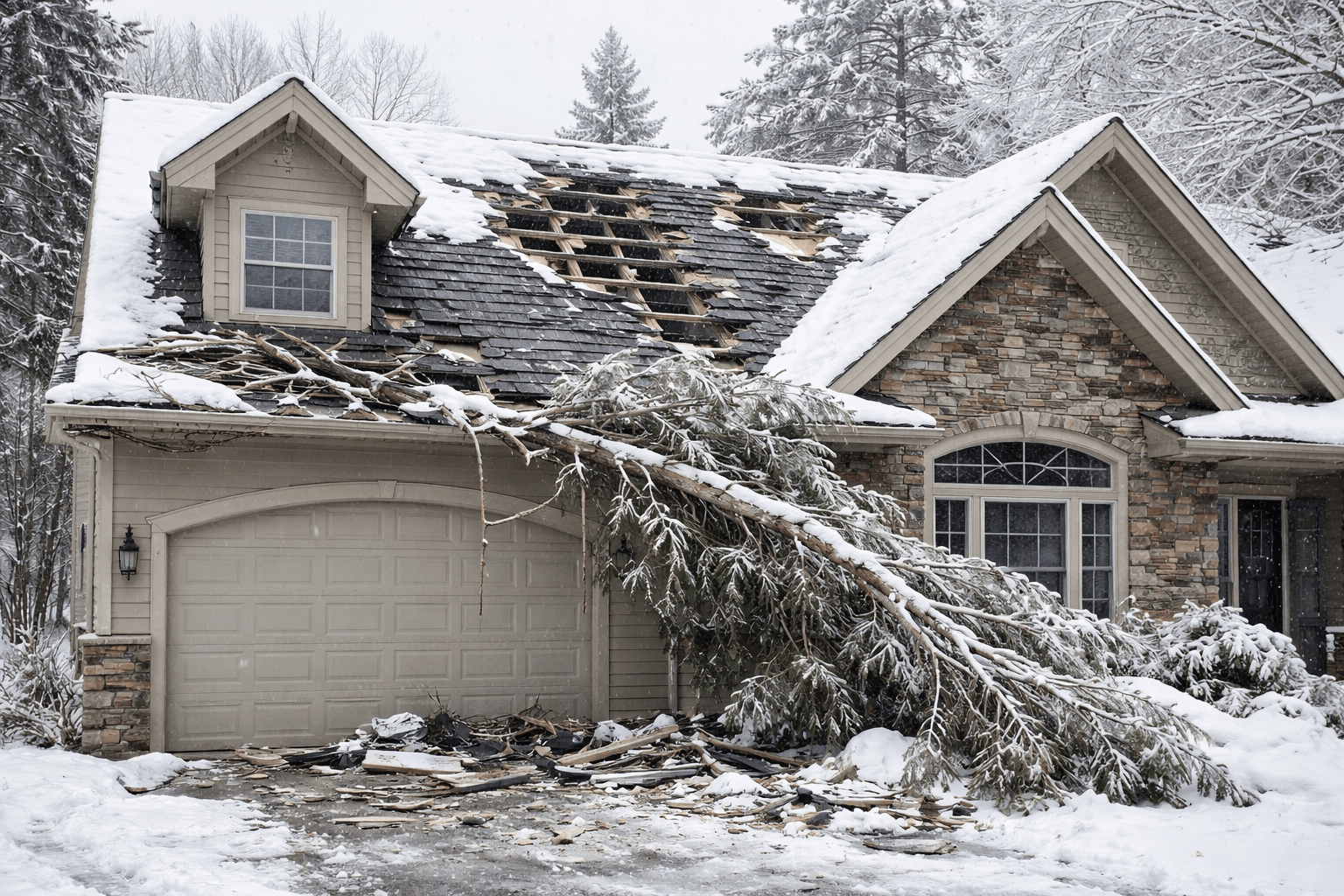
When winter storms hit, the damage is obvious. Roof tiles ripped away by the wind. Gutters torn loose under the weight of snow and ice. Water is pouring through the ceilings after pipes freeze and burst. What is less visible, but often far more damaging, is what happens next.
Across the country, homeowners rushing to make urgent repairs are increasingly becoming targets of contractor fraud. The pressure to act quickly, combined with insurance deadlines and limited contractor availability, creates ideal conditions for bad actors to step in. The data confirms what many families learn the hard way. According to the Federal Trade Commission (FTC), more than 81,900 home improvement fraud reports were filed nationwide in a single year, with consumer losses exceeding $150 million. Average losses were nearly $1,800 per incident, and much higher in storm-related repairs.
In some cases, the damage is catastrophic. Recent state-level investigations uncovered schemes where more than 40 homeowners were defrauded out of nearly $5 million by contractors who collected large upfront payments and then disappeared mid-project. Consumer watchdog groups estimate that roughly one in 10 Americans will experience some form of contractor fraud, with average losses exceeding $2,400 and significantly higher losses tied to post-disaster repairs.
Why winter storms create a perfect storm for fraud
Consumer protection agencies have long warned that weather disasters create a predictable spike in fraud. Winter storms are especially dangerous because the damage is urgent and often structural. Roof collapses from snow load, water intrusion, and frozen plumbing systems cannot wait. According to the Insurance Information Institute (III), winter storms and freezing events are among the costliest weather disasters in the United States, resulting in billions of dollars in insured losses annually.
Fraud thrives in urgency. Homeowners are often cold, displaced, or facing escalating damage by the hour. Insurance adjusters are overloaded. Contractors are booked months out. Into that chaos step individuals posing as licensed professionals, offering fast solutions and demanding immediate commitments.
The most common contractor scam patterns
Despite how devastating these situations feel, contractor fraud follows remarkably consistent patterns. The most common warning signs include unusually low bids that seem too good to be true, pressure to sign immediately, demands for large upfront payments, vague or incomplete written estimates, and refusal to verify license, insurance, or bond status.
Door-to-door solicitations after storms remain a major red flag, as do claims of leftover materials from nearby jobs offered at a steep discount. Another dangerous tactic is the promise of priority scheduling in exchange for immediate deposits. In some cases, contractors even offer to kick back part of the insurance payout, which constitutes insurance fraud and puts the homeowner at legal risk.
Verification is not optional
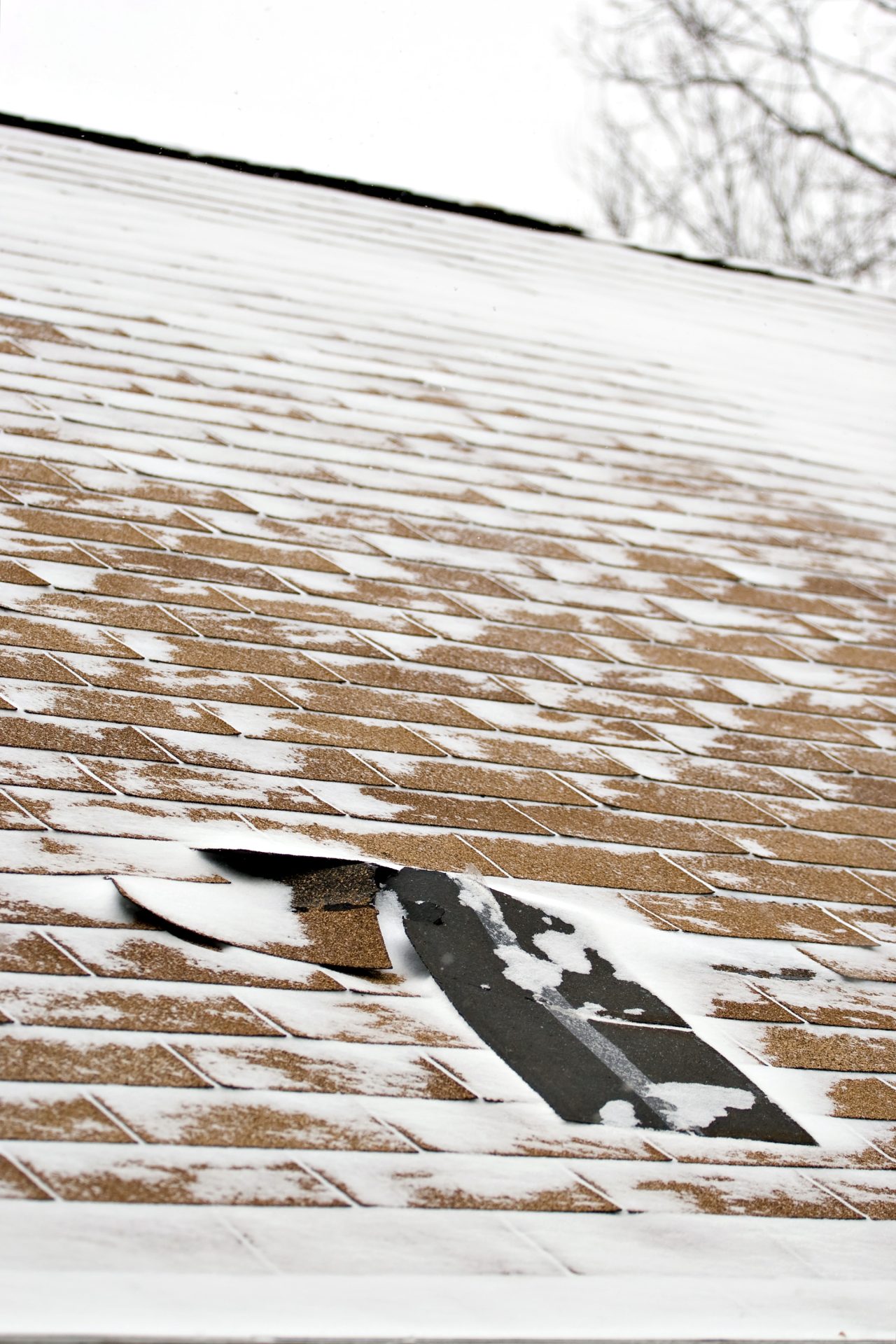
One of the most important lessons homeowners can take from storm recovery data is that verification is not a luxury; it is essential. Before signing anything or making payments, homeowners should confirm contractor licenses with state boards, verify active liability insurance and workers’ compensation coverage, and insist on detailed written scopes of work.
Many states require special consumer protections for larger repair projects, including escrow arrangements or limits on upfront deposits. Yet few homeowners are aware of these safeguards until it is too late. Simply knowing that such protections exist can dramatically change the outcome of a repair project.
Why vague bids cost homeowners the most
Not all financial damage comes from outright scams. Some of the most costly projects begin with bids that appear legitimate but fail to fully cover the scope of work. Missing line items for demolition, cleanup, permitting, structural reinforcement, or code upgrades often surface only after construction begins. At that point, homeowners are locked in, emotionally and financially.
Incomplete estimates are a leading cause of budget overruns. Once work starts, leverage shifts away from the homeowner. What begins as a reasonable quote can balloon into tens of thousands of dollars in unexpected costs. This is one reason experts consistently advise homeowners to compare multiple detailed estimates rather than choosing the lowest price.
How technology is changing homeowner protection
One of the most encouraging developments in recent years is how technology is helping homeowners make better decisions under pressure. New AI-powered tools are beginning to bring clarity to what has historically been an opaque process.
By analyzing contractor bids line by line, these tools can flag missing scope, inconsistencies, and cost gaps that are easy to overlook, especially during stressful situations like storm recovery. Instead of relying on intuition or salesmanship, homeowners can see where bids align and where they diverge before signing contracts.
This shift matters because fraud and overpayment often hide in complexity. When homeowners can clearly compare what is included and what is not, they are far less likely to fall victim to either scams or costly omissions.
A practical checklist for storm-damaged homeowners
While no system is foolproof, homeowners can dramatically reduce risk by slowing down and following a disciplined approach, even when urgency feels overwhelming.
Here are the important steps to follow:
- Start by meeting with multiple contractors.
- Confirm licenses, insurance, and bonds.
- Request detailed written scopes and schedules.
- Tie payments to completion milestones rather than time.
- Avoid paying in full upfront.
- Use traceable payment methods.
- Ask for references and verify them.
- Be wary of anyone who pressures you to sign immediately or discourages you from seeking additional estimates.
Lastly, pay attention to communication. Reliable contractors commit to regular updates, clear points of contact, and written approval for any changes or added costs. They secure permits, pass inspections, and provide warranties for their work. They do not disappear when questions arise.
Due diligence is protection, not delay
It is understandable to want repairs completed as quickly as possible after a storm. But speed without diligence often leads to greater loss. Fraudsters rely on fear and urgency to override caution. Taking time to vet contractors, carefully compare bids, and understand the full scope of work is not procrastination. It is protection.
Winter storms will continue to cause damage. Construction demand will continue to spike after disasters. The difference between recovery and regret often comes down to preparation and information.
Homeowners who slow the process just enough to verify, compare, and clarify give themselves the best chance to rebuild safely, affordably, and without compounding the damage already done.
With extensive experience in the construction and renovation business, Jon Grishpul is Co-CEO of GreatBuildz.com—a free service that matches homeowners with reliable, pre-screened general contractors. The company, which exclusively connects homeowners with reputable contractors who have successfully passed its rigorous screening process, also provides free access to its BidCompareAI—a home renovation contractor bid comparison tool leveraging artificial intelligence to instantly reveal hidden costs, inconsistencies across bids, lack of transparency, and more for true “apples-to-apples” comparisons. GreatBuildz also provides an array of other resources for those wanting to repair or rebuild their home, including remodeling advisors for those needing guidance and support for any repair or issue. Jon is also Co-CEO of MaxableSpace.com, an industry-leading accessory dwelling unit (ADU ) design/build/manage platform.