Innovation in metal building systems has made the task of meeting sustainability goals and energy codes even easier. Tested assemblies and integrated daylighting systems are standard systems that can be used for code compliance and addressing long-term total cost of ownership. Building systems have long life cycles, and the inclusion of tested assemblies and daylighting systems will cut the total cost of ownership.
Metal building systems: a strong choice for sustainability efforts
As of December 2018, 42 states have adopted a state energy code according to the U.S. Department of Energy (DOE). State adoption is reviewed based on the national model energy codes—the International Energy Conservation Code (IECC) for residential buildings and Standard 90.1 for commercial buildings. The department analyzes state energy codes to assess the savings associated with code updates. Building energy codes will save U.S. home and business owners an estimated $126 billion and 841 million metric tons of avoided carbon dioxide emissions through the year 2040.
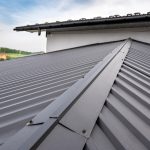
Energy codes have become more and more stringent. IECC 2012 requires over 30 percent more energy efficiency than IECC 2006. The latest codes are also calling for more efficient lighting, HVAC, and the installation of on-site renewables. Regarding the envelope, the codes now require cool roof systems, daylighting, and increased insulation efficiency in the roof and walls.
Cool roof systems require a minimum roof reflectance for both initial solar reflectance and three-year-aged reflectance, as well as a standard for thermal emittance to address the heat-island effect created by low-slope roof systems.
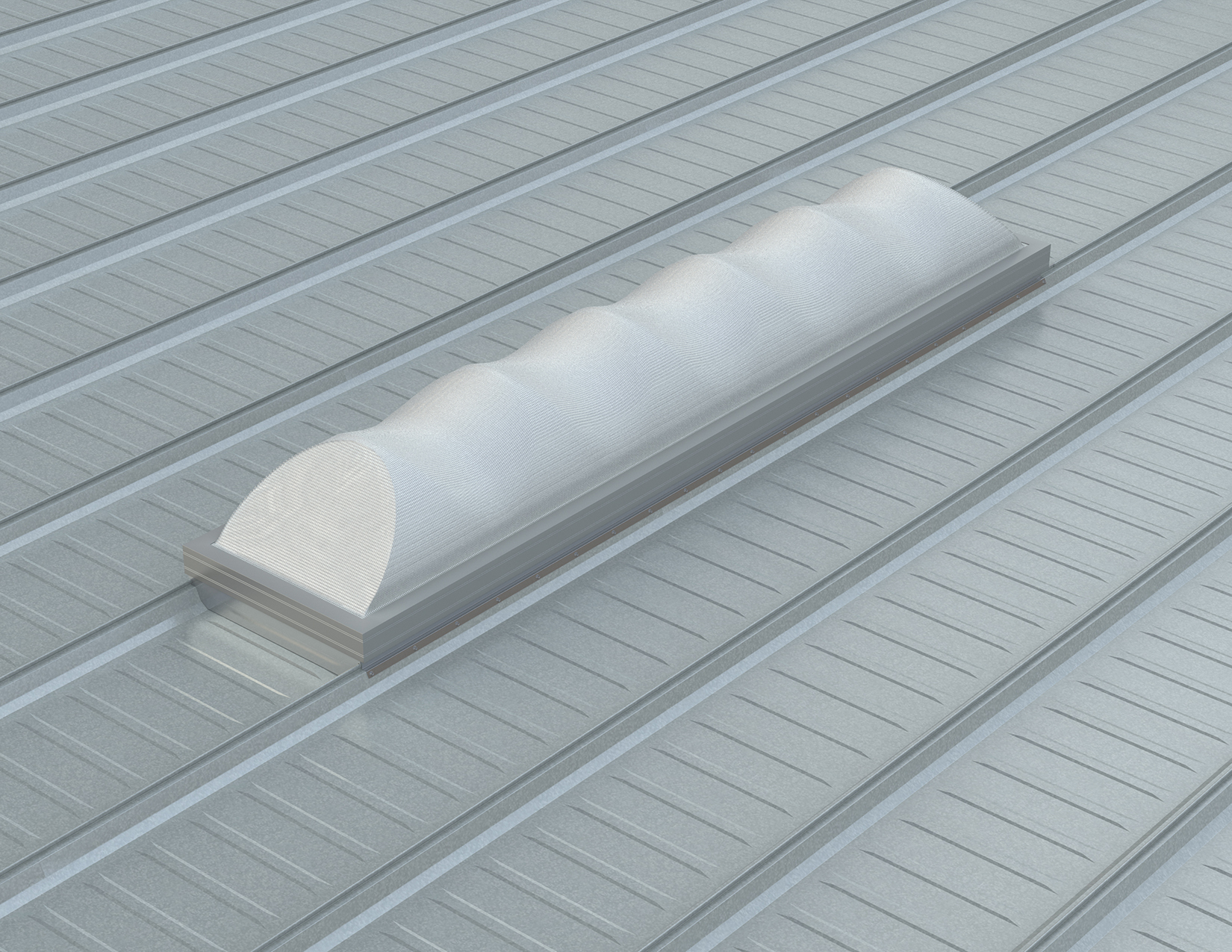
Energy codes equivalent to IECC 2010 (90.1) and beyond require daylighting systems for enclosed spaces that are greater than 5000 square feet with ceiling heights more than 15 feet. The code also requires a balance between visible light transmission (VT) and solar heat gain coefficient (SHGC). The dome system disperses the light to provide maximum lighting while reducing hot spots on the floor.
Daylighting provides multiple benefits to a building owner, both objective and subjective. Objectively, a daylighting system can provide considerable energy savings, reducing electric light costs by up to 70 percent when combined with lighting controls. Subjectively, studies have shown that introducing natural light into a building stimulates productivity gains for workers and increased sales for retail stores. Daylighting systems are now fully integrated into metal roof systems. Curbless systems that attach to the high rib of a standing seam roof system allow the roof to expand and contract with the change in temperature. In general, the skylight-to-floor ratio (SFR) is between 3 and 5 percent depending on the foot candles that are required by the building end use.
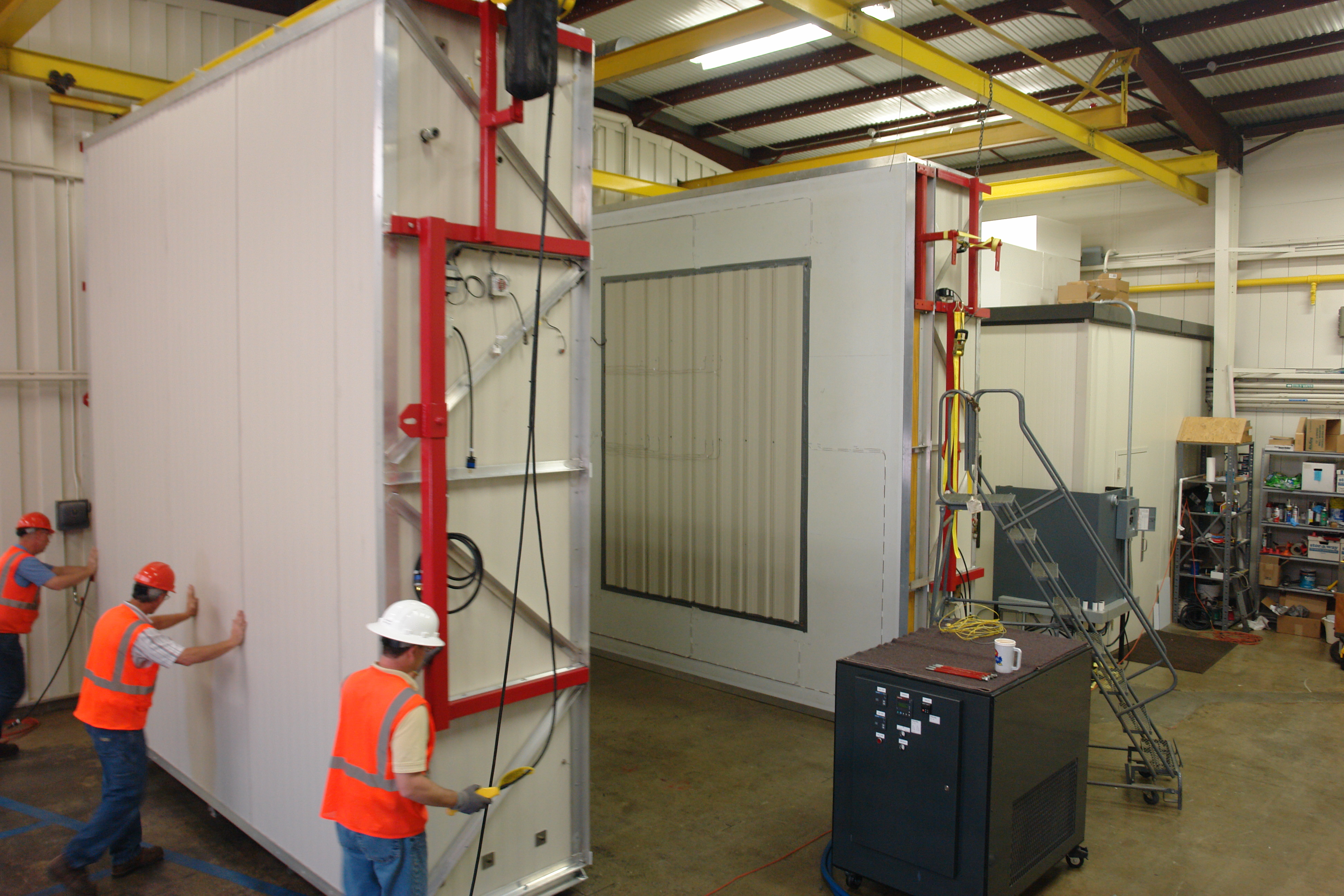
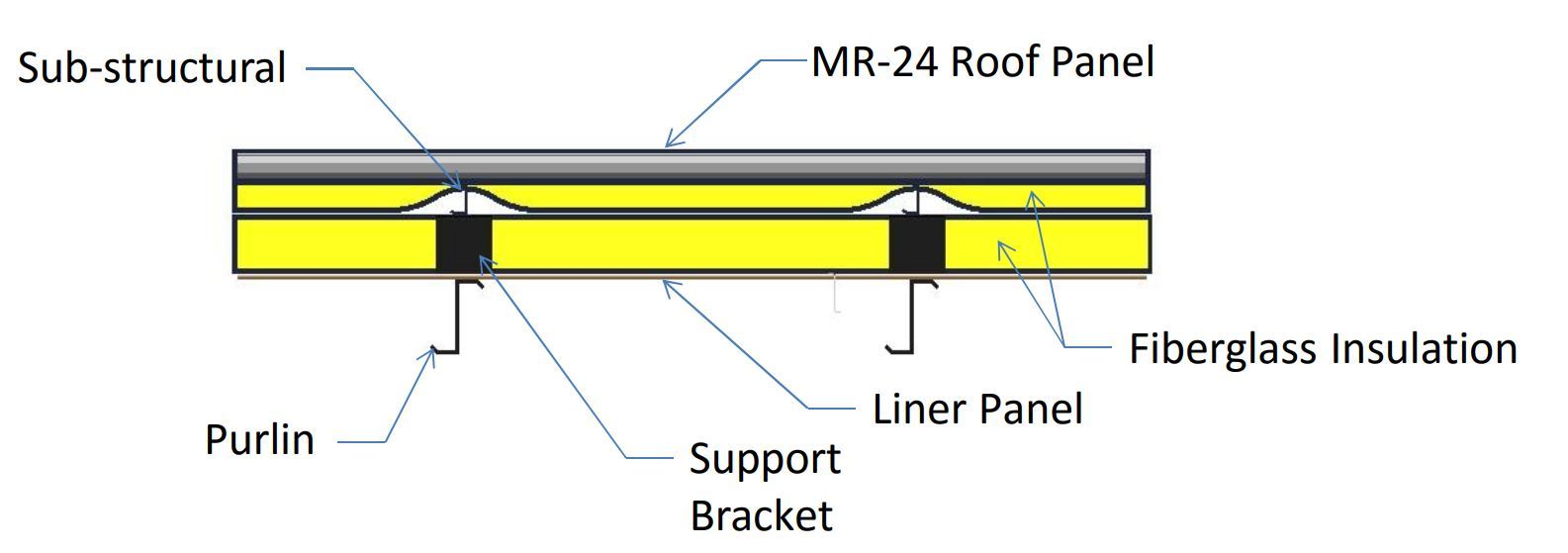
The latest building codes also have increased the insulation values necessary for the building envelope. In general, the new requirements in IECC 2012 (90.1) and beyond call for prescriptive solutions that include a continuous insulation blanket or tested assemblies with a U-factor. Tested assemblies are created through hot box testing to determine the exact performance of individual parts. Tested assemblies are the preferred choice because you can use standard parts without the added time and labor cost of installing a continuous insulation blanket after the fact. In addition, U-factors allow you to more accurately predict future energy use. Each assembly will also have a testing report with assembly schematics for submission to code authorities.
U-factors also simplify the development of COMcheck reports. COMcheck is a software product group developed by the DOE to demonstrate code compliance. These reports make it easy for architects, builders, designers and contractors to determine whether a new commercial building or renovations and additions meet the requirements of IECC or ASHRAE Standard 90.1. COMcheck simplifies compliance for building officials, plan checkers and inspectors by allowing them to quickly determine if a building project meets the code. Currently, 37 states allow the use of COMcheck to demonstrate code compliance.
Bruce Bortree is building engagement manager at Butler Manufacturing, Kansas City, Mo. To learn more, visit www.butlermfg.com or call (816) 968-3000.