Gutter systems are an essential component of any roofing structure, responsible for directing rainwater away from buildings to prevent water damage, foundation erosion, and structural deterioration. While traditionally seen as a simple necessity, the evolution of gutter technology, materials, and installation methods has transformed the industry, offering new opportunities for contractors, fabricators, and architects. This article explores the latest advancements in metal gutter systems, the challenges faced by industry professionals, and the emerging opportunities in the market.
The importance of metal gutter systems
Metal gutters have been consistently favored in commercial and industrial applications due to their durability, longevity, and ability to withstand harsh weather conditions. Unlike vinyl or plastic alternatives, metal gutters perform better in extreme temperatures, heavy rainfall, or snow accumulation environments. Metals typically used in gutter systems include:
- Aluminum: Lightweight, corrosion-resistant, and easy to install, aluminum gutters are a top choice for commercial and residential applications.
- Steel: Known for its strength and durability, galvanized or stainless-steel gutters are ideal for heavy-duty applications but require proper maintenance to prevent rust.
- Copper: A high-end option, copper gutters are prized for their aesthetic appeal and longevity, developing a natural patina over time.
Recent advancements in gutter technology
The gutter industry has seen significant innovations in materials, manufacturing techniques, and installation methods. Key advancements include:
Seamless gutter systems
Seamless gutters have become increasingly popular due to their ability to reduce leaks and maintenance needs. Unlike traditional sectional gutters, seamless systems are custom-formed on-site using rollforming machines, ensuring a precise fit for each project. This advancement improves performance and enhances aesthetics by eliminating visible seams.
Advanced coatings and finishes
New protective coatings and finishes extend the lifespan of metal gutters by preventing corrosion, UV damage, and chemical wear. For instance, Kynar 500-coated aluminum gutters offer enhanced durability and color retention, making them ideal for high-end commercial and industrial architectural projects.
High-capacity gutter designs
Modern gutter systems now feature wider troughs and downspouts, allowing for increased water capacity and improved drainage. These high-capacity systems are especially beneficial for large commercial and industrial buildings, where managing heavy rainfall is critical to prevent overflow and structural damage.
Sustainable and recyclable materials
Sustainability is a growing focus in construction, and the gutter industry is no exception. Many manufacturers now offer gutters made from recycled aluminum or steel, reducing environmental impact. Additionally, rainwater harvesting systems integrated with gutters promote eco-friendly water management.
Benefits of modern gutter systems
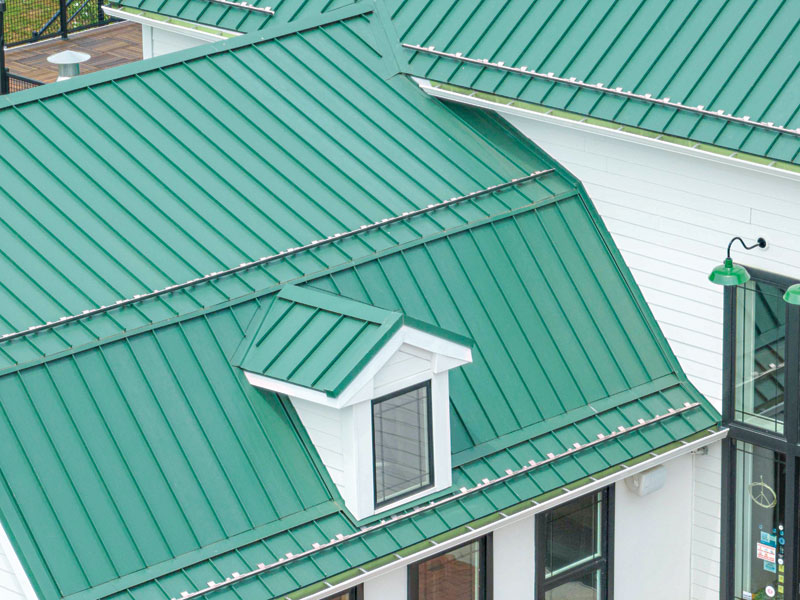
Newer gutter designs offer a range of benefits that improve both performance and aesthetics for commercial and residential buildings. These systems typically feature wider bottom troughs and higher back walls, which improve water flow and protect roofing structures from excessive runoff. Additionally, streamlined designs with hidden hangers contribute to a cleaner, more professional appearance, making them a preferred choice when seeking both form and function.
Modern gutters also support improved water management, ensuring better distribution and reducing the likelihood of soil erosion around building foundations. Their increased capacity makes them ideal for areas with heavy rainfall, preventing overflow issues that can lead to costly water damage. By integrating advanced coatings and seamless designs, these gutter solutions require less maintenance while providing long-lasting protection for structures.
Challenges facing the industry
Despite these advancements, the metal gutter industry faces several challenges that contractors and manufacturers must navigate.
Material costs and supply chain issues
The fluctuating costs of metals such as aluminum, steel, and copper impact pricing and profitability. Supply chain disruptions have also created challenges in securing raw materials, leading to project delays and increased costs.
Labor shortages and installation expertise
A skilled labor shortage in the construction industry affects gutter installation and maintenance. Training new workers and retaining experienced professionals is essential to ensuring quality installations.
Regional weather variability
Different climates present unique challenges for gutter system performance. In areas with heavy snowfall, gutters must be reinforced to withstand ice buildup, while regions with intense heat require coatings that prevent thermal expansion and contraction damage.
Regulatory compliance
Building codes and environmental regulations vary across states and municipalities, requiring contractors to stay informed about compliance requirements for gutter materials, installation methods, and drainage systems.
Opportunities in the gutter industry
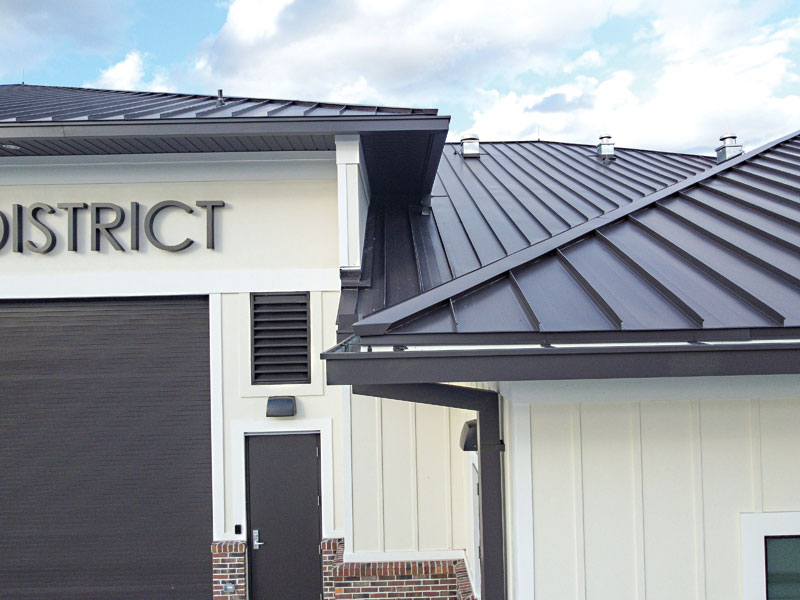
While challenges exist, the evolving landscape of gutter technology has numerous opportunities for growth and innovation in the metal construction sector:
Expansion of custom fabrication
Advances in rollforming and CNC machining allow manufacturers to offer custom-designed gutters tailored to specific architectural styles and project requirements. Customization adds value for contractors and end users seeking unique solutions.
Increased demand for commercial and industrial applications
The rise of large-scale commercial and industrial developments drives demand for high-capacity gutter systems that manage significant water runoff. Heavy-duty steel and aluminum systems with reinforced brackets and advanced drainage designs are increasingly in demand.
Growth of green building initiatives
Integrating gutters with rainwater harvesting and green roofing systems opens new business opportunities as sustainability gains traction. LEED-certified projects increasingly require eco-friendly metal gutters, boosting demand for recyclable and energy-efficient options.
Training and workforce development
Investing in workforce training programs ensures skilled professionals with the latest installation techniques. Companies prioritizing education and certification programs can build a reputation for quality workmanship and reliability.
Conclusion
Gutter systems play a crucial role in protecting buildings, with advancements in materials, technology, and installation methods reshaping the industry. While challenges such as material costs, labor shortages, and regulations persist, emerging opportunities in customization, sustainability, and innovative technology integration provide pathways for growth.
Steve Bradley has 43 years of experience in the gutter industry.